To find the best insoles for Dansko style clogs, look for options offering arch support, cushioning, and a comfortable fit within the clog’s deep heel cup. This guide helps you choose and use insoles to enhance the renowned comfort and support of your favorite Dansko-like footwear for all-day wear.
Dansko style clogs are beloved for their supportive design, but even the best shoes can sometimes benefit from a little extra comfort. If you find yourself wishing for more cushioning, better arch support, or a snugger fit in your favorite Dansko-style clogs, you’re not alone! Many people discover that a well-chosen pair of insoles can transform their clogs from comfortable to absolutely heavenly. This guide will walk you through everything you need to know to pick the perfect insoles for your Dansko-style clogs, ensuring happy feet all day long.
We’ll cover why insoles can be a game-changer for these popular shoes, what to look for when choosing them, and how to insert them for maximum benefit. Get ready to experience a new level of comfort in your favorite clogs!
Why Consider Insoles for Your Dansko Style Clogs?
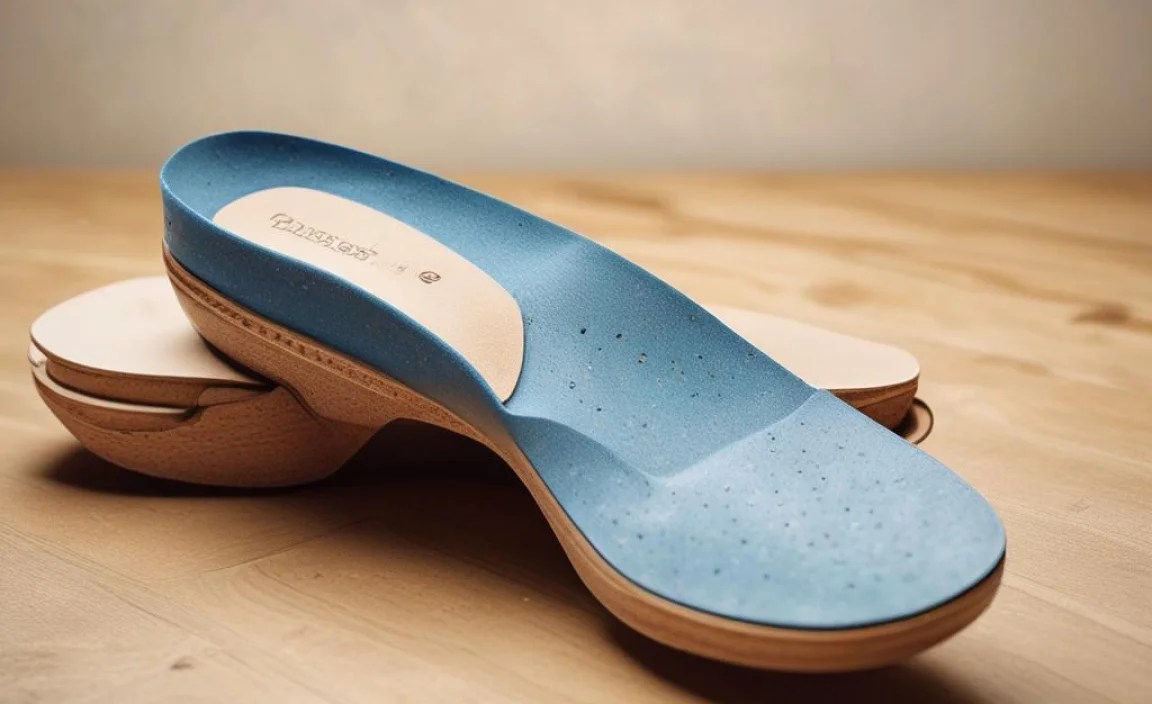
Dansko style clogs are engineered with a certain level of support and comfort built-in. They often feature a roomy toe box, a stable heel cup, and a contoured footbed designed to promote natural foot alignment. However, “one size fits all” rarely applies perfectly to feet. Factors like your specific foot shape, arch height, activity level, and even the duration you wear your clogs can influence how comfortable they feel over time.
Here are some key reasons why adding insoles might be a great idea:
- Enhanced Arch Support: While Dansko-style clogs offer some arch support, individuals with very high arches or flat feet might need more specialized support to prevent strain and fatigue.
- Extra Cushioning: For long hours spent standing or walking, additional shock absorption can make a significant difference in reducing impact on your joints and soles.
- Improved Fit: If your clogs feel a little too large or your foot slides around, a thinner, supportive insole can add a snugger, more secure feel.
- Pressure Point Relief: Certain insoles are designed to redistribute pressure, easing discomfort from specific sensitive areas of your foot.
- Moisture Wicking and Odor Control: Some insoles are made with materials that help keep your feet dry and fresh, which is always a bonus, especially in closed shoes.
Understanding Insole Types for Clogs

When it comes to insoles, not all are created equal. For Dansko style clogs, you’ll want to consider the following types, keeping in mind the clog’s inherent structure:
1. Supportive/Orthotic Insoles
These are generally firmer and designed to provide structured support to your arch and heel. They often have a deep heel cup, which works well with the heel counter of a clog. They are excellent for people who need help with:
- Plantar fasciitis
- Overpronation (foot rolling inward)
- Supination (foot rolling outward)
- General arch pain
Look for options with a firm yet slightly yielding material to provide support without being uncomfortably stiff. Many of these also offer good shock absorption.
2. Cushioned/Comfort Insoles
If your primary goal is to add a plush feel and absorb shock, cushioned insoles are your go-to. They are softer than supportive insoles and are made from materials like memory foam or gel. While they provide immediate comfort, they might offer less structural support for severe foot conditions. They’re a great choice for:
- Adding a softer feel to harder clog footbeds
- Reducing fatigue from standing for long periods
- Providing a basic level of shock absorption
Be mindful that very soft, thick cushions can sometimes make shoes feel too tight, so consider the thickness relative to your clog’s internal space.
3. Specialized Insoles
These cater to very specific needs:
- Activity-Specific Insoles: Designed for sports like running or hiking, they offer targeted support and cushioning for high-impact activities. You may not need this level for everyday clog wear unless you’re very active.
- Moisture-Wicking Insoles: Made from materials like bamboo or specialized synthetic fabrics, these help manage sweat and prevent odor.
- Slim-Fit Insoles: If space is tight, these low-profile insoles offer comfort and support without adding bulk.
What to Look for in Insoles for Dansko Style Clogs

The unique design of Dansko style clogs means you need to be a bit strategic when picking insoles. Here’s what to prioritize:
Key Features to Consider:
- Arch Support Profile: Dansko clogs typically have a moderate arch. If you have high arches, look for insoles with a higher, more pronounced arch. If you have flat feet, a more neutral or gently supportive arch might be best. The goal is to complement, not clash with, the clog’s intended support.
- Heel Cup Depth: The deep, stable heel cup of a clog is a great place to anchor an insole. Look for insoles with a well-defined heel cup to help stabilize your foot and prevent slippage within the clog.
- Material:
- EVA Foam: A common, lightweight, and shock-absorbent material offering good cushioning and some support.
- Polyurethane: More durable and denser than EVA, often used in firmer, more supportive insoles.
- Gel: Offers excellent cushioning and shock absorption, but can sometimes be less breathable and may shift if not a good fit.
- Cork: A natural, moldable material that can offer both support and cushioning; it often conforms to the foot over time.
- Thickness: This is crucial. Dansko style clogs have a reasonable amount of internal volume, but very thick insoles can make them feel tight, especially around the instep. Measure the space in your clog or try insoles on if possible. A medium thickness is often ideal.
- Flexibility: While you want support, you don’t want an insole that’s too rigid to move naturally with your foot inside the clog. A balance of firm support and slight flexibility is key.
- Durability: If you plan on wearing these insoles daily, opt for materials known for longevity like polyurethane or high-density EVA.
- Breathability and Odor Control: If foot odor or excessive sweating is a concern, look for insoles with moisture-wicking properties or antimicrobial treatments.
Insole Fit Considerations
Because Dansko style clogs are often slip-ons with a relatively secure fit, the insole’s ability to stay put is important. You don’t want it bunching up under your heel or arch. A well-defined heel cup on the insole is a big help here.
If you’re unsure about your arch type, a simple test involves wetting the bottom of your foot and stepping on a piece of paper or cardboard. Then, examine the footprint:
- High Arch: You’ll see a very thin band connecting the heel and the ball of your foot, or almost no connection at all.
- Normal Arch: You’ll see a distinct, curved shape with a clear band connecting the heel and forefoot.
- Flat Arch: You’ll see most of your foot’s outline.
This can help guide you toward insoles that will better match your foot’s needs.
Top Insole Picks for Dansko Style Clogs (Based on Common Needs)
Choosing the right insole often comes down to your specific foot needs and how you use your clogs. Here are some general recommendations, categorized by common comfort goals:
For Maximum Arch Support & Stability
These insoles are designed to provide structure and control foot motion, ideal for those experiencing arch pain or looking for robust support.
| Insole Brand/Model | Key Features | Best For | Considerations for Clogs |
|---|---|---|---|
| Superfeet Green (or similar) | High-volume, deep heel cup, firm support, semi-rigid structure. Excellent for controlling pronation. | High arches, plantar fasciitis, pronation control, active users. | May be a bit too firm or high for very narrow clogs. Check thickness and heel cup depth. |
| Powerstep Pinnacle (or similar) | Semi-rigid arch support, targeted cushioning, reinforced heel. Good balance of support and comfort. | Moderate to high arches, general foot pain, moderate overpronation. | Offers good all-around support that can complement Dansko-style clogs well. Often available in different thicknesses. |
| Spenco RX Orthotic Full Length (or similar) | Shock absorption, arch support, heel cushioning, comfortable top cloth. | Plantar fasciitis, arch strain, general foot fatigue. | A good balance of support and cushioning that can fit many clogs. |
For Enhanced Cushioning & Shock Absorption
If your clogs feel a bit too firm or you spend many hours on hard surfaces, these insoles will add a plush layer of comfort.
| Insole Brand/Model | Key Features | Best For | Considerations for Clogs |
|---|---|---|---|
| Scholl’s Soothe & Treat (or similar gel insoles) | Shock-absorbing gel, deep heel cushioning, provides immediate comfort. | Standing for long periods, reducing impact on joints, mild foot soreness. | Gel can sometimes shift if the clog is too loose. Ensure a snug fit. May feel warmer. |
| Sof Sole Air Orthotic (or similar memory foam) | Honeycomb forefoot for cushioning, deep heel cup, impulse foam for shock absorption. | Everyday comfort, shock reduction, mild to moderate arch support. | Memory foam can mold to your foot, offering personalized comfort. Ensure it doesn’t compress too much, making the clog tight. |
| CurrexSole CleatPro Football (or similar) | Dynamic cushioning, heel protection, specific kinetic support. While designed for sports, some versions offer excellent all-around comfort. | High impact, demanding activities, seeking advanced, responsive cushioning. | Might be overkill for casual wear, but their comfort and support can be exceptional if your activities warrant it. |
For Slimmer Fit & Everyday Comfort
If you have Dansko-style clogs that are already a snug fit, or you just need a bit of improvement without adding bulk.
| Insole Brand/Model | Key Features | Best For | Considerations for Clogs |
|---|---|---|---|
| Dr. Scholl’s Work Insoles or Comfort & Energy (Slim) | Designed for shock absorption and support in work shoes, often lower profile. | Long hours on your feet in work shoes, moderate support needs. | Specifically designed to fit well in shoes where space is limited. |
| Thin Superfeet (e.g., “Thin” or “Sport”) | Offers Superfeet’s signature support in a lower-profile design. | Users who like strong arch support but need a slim fit. | Keeps the supportive benefits of Superfeet without excessive bulk. |
A Note on Fit and Insoles: It’s always best to try insoles on if possible. If buying online, check the return policy. Measuring the interior of your clog can also help estimate if an insole will fit.
How to Insert Insoles into Your Dansko Style Clogs
This is usually straightforward, but a few tips can help you get the best results:
Step-by-Step Insertion Guide:
- Remove Existing Insoles (If Any): Some clogs have removable insoles. Gently pry them out from the heel or toe. If the insole is glued in, it’s often best to skip this step and place the new insole on top, provided there’s enough space. However, for the best fit and support, try to remove any glued-in liner if you can do so without damaging the clog.
- Trim to Fit (If Necessary): Many insoles come in larger sizes with trim lines or patterns. Place your clog’s original insole (or your foot directly into the clog with the new insole nearby) on top of the new insole. Carefully trace the outline of your clog’s interior onto the new insole, or use the existing insole as a guide. Trim carefully with sharp scissors, taking off only a small amount at a time. It’s easier to trim more than to add more back!
- Place the New Insole: Gently slide the trimmed insole into your clog. Ensure it sits flat and doesn’t bunch up. The heel of the insole should nestle snugly into the heel cup of the clog.
- Check the Fit: Put on your sock and clog. Walk around a bit. Does it feel more comfortable? Is your foot properly supported? Is there any pinching or excessive tightness, especially at the top of your foot or around the ankle opening?
Tips for Success:
- Start Gradually: If you’re new to wearing insoles, especially supportive ones, your feet might need a little time to adjust. Start by wearing them for a few hours at a time and gradually increase the duration.
- Cleanliness is Key: Keep your insoles clean according to the manufacturer’s instructions. This helps them last longer and keeps your feet fresh. For most foam or fabric insoles, a gentle hand wash with mild soap and air drying is usually recommended.
- Replace When Worn: Insoles don’t last forever. When they start to lose their cushioning, support, or show signs of wear (like flattened areas or holes), it’s time for a new pair. For daily wear, you might need to replace them every 6–12 months.
When to Seek Professional Advice
While insoles can offer significant relief and comfort, they are not a substitute for professional medical advice or treatment. If you experience persistent foot pain, swelling, numbness, or any other concerning symptoms, it’s essential to consult with a healthcare professional.
This could include:
- Podiatrists: Specialists in foot and ankle health. They can diagnose conditions and recommend the best course of treatment, which might include custom orthotics.
- Physical Therapists: Can help with exercises and stretches to improve foot strength, flexibility, and alignment.
- Orthotists: Professionals who design and fit custom medical devices, including custom orthotic insoles.
For more information on foot health, the Mayo Clinic’s extensive resources on foot pain are a great starting point. They offer insights into common causes and management strategies.
Frequently Asked Questions (FAQ)
Q1: Can I put insoles in my Dansko clogs if they already have built-in support?
Yes, you can! Dansko style clogs are designed to accommodate some types of insoles. Adding an insole can often enhance the existing support, add more cushioning, or provide specific support tailored to your foot, like for high arches or plantar fasciitis.
Q2: How do I know if the insole is too thick for my clog?
If the insole makes your clog feel too tight, especially across the top of your foot, or if your heel slips excessively, the insole is likely too thick for that particular shoe. You may need a slimmer profile insole.
Q3: Should I remove the original Dansko insole before inserting a new one?
If the original insole is removable, it’s generally best to remove it before inserting a new one for the most accurate fit and optimal support. If it’s glued down, you can often place a new, thinner insole on top, but this might slightly alter the shoe’s internal volume.
Q4: Will insoles change the way my Dansko clogs look or feel?
Insoles can definitely change the feel by adding cushioning, support, or a snugger fit. Visually, they are inside the shoe, so they shouldn’t affect the external appearance unless you choose a very thick insole that causes the shoe to look stretched or tight from the outside.
