Boost your Crocs comfort instantly with the right insoles! Find the perfect insoles to transform your favorite clogs into supportive, pain-relieving footwear for all-day wear. Upgrade your Crocs today!
Love your Crocs for their easy slip-on style and waterproof nature? Many of us do! But sometimes, even the most beloved shoes can leave our feet feeling less than happy after a long day. That’s where insoles come in. If you’ve ever thought your Crocs could use a little extra cushioning or arch support, you’re in luck! Adding the right insoles can dramatically upgrade their comfort and turn them into a go-to shoe for even more occasions. We’re going to walk through exactly how to find and use insoles to give your Crocs the comfort boost they deserve, making your feet thank you every step of the way. Get ready to discover a whole new level of comfort in your favorite clogs!
Why Adding Insoles to Your Crocs Makes a Big Difference
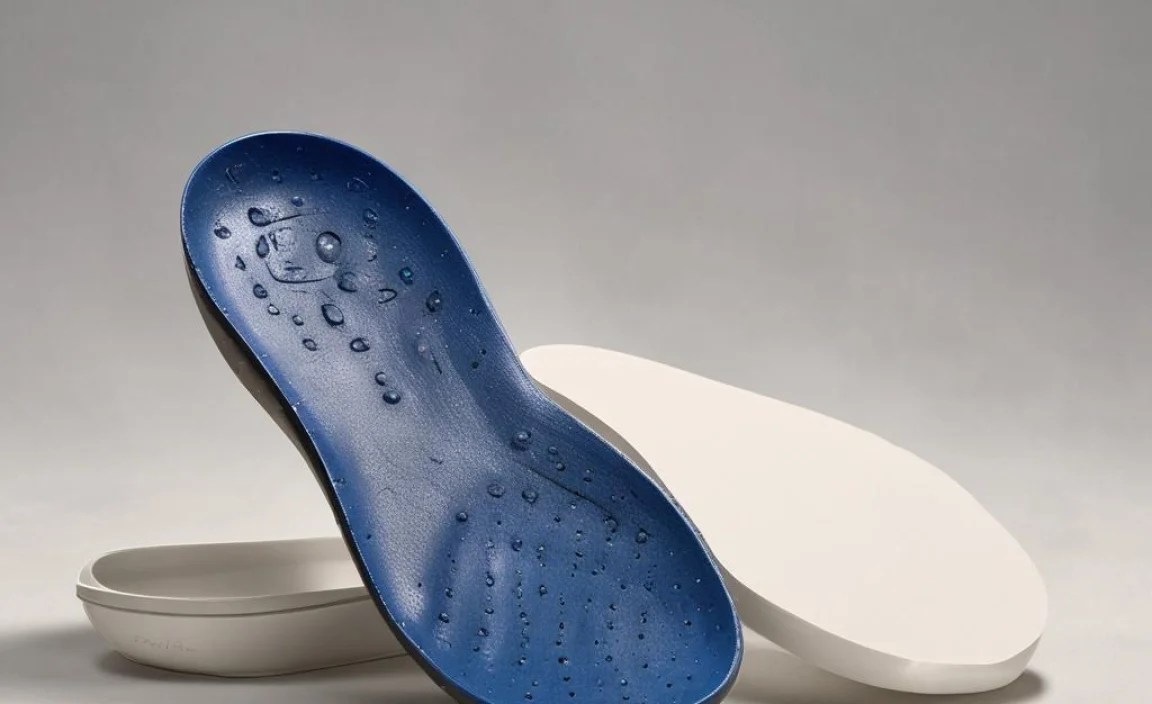
Crocs are fantastic for their practicality, but let’s be honest, they don’t always offer the robust support or cushioning that many feet crave, especially after extended wear. The molded footbed, while comfortable for some, can lack the specific arch support or shock absorption needed to prevent fatigue and discomfort for others. This is particularly true for individuals who spend a lot of time on their feet, experience foot pain, or have specific biomechanical needs.
Think of your feet like the foundation of a building. If the foundation isn’t quite right, the entire structure can suffer. Similarly, if your footwear doesn’t provide adequate support, it can lead to a cascade of issues: tired arches, heel pain, knee discomfort, and even lower back strain. Adding specialized insoles to your Crocs acts like reinforcing that foundation, providing targeted cushioning, better arch support, and improved shock absorption precisely where you need it most.
This simple upgrade can:
- Significantly reduce foot fatigue
- Provide much-needed arch support
- Enhance shock absorption, protecting your joints
- Help correct minor foot alignment issues
- Increase overall comfort for extended wear
It’s an accessible and cost-effective way to personalize your footwear and address common comfort complaints, turning your casual clogs into powerhouse comfort shoes.
Understanding Insole Basics: What Makes a Good Insole?

Before diving into choosing insoles specifically for your Crocs, it’s helpful to understand what makes an insole effective. Insoles, also known as orthotics or inserts, are designed to fit inside your shoes to provide comfort, support, and alignment. They aren’t just generic pads; they come in various types, each serving a specific purpose.
Here are the key components and features to look for in a quality insole:
Cushioning
This is the most obvious benefit. Good cushioning absorbs impact, reducing stress on your feet, ankles, knees, and hips. Materials like EVA foam, gel, or memory foam are commonly used. The right amount of cushioning can make a world of difference, especially for people who stand or walk for long periods.
Arch Support
This is crucial for maintaining proper foot alignment and preventing conditions like plantar fasciitis. Insoles offer different levels of arch support, from mild to strong. The ideal level depends on your foot type (e.g., flat feet, neutral arch, high arch).
Heel Cup
A well-designed heel cup helps to stabilize the heel, providing a secure fit and absorbing shock. This is particularly important for preventing heel pain and improving overall foot stability.
Materials
Insoles are made from a variety of materials, each with its own properties:
- EVA (Ethylene-Vinyl Acetate): Lightweight, flexible, and offers good cushioning.
- Polyurethane: More durable and supportive than EVA, often used in athletic insoles.
- Gel: Provides excellent shock absorption and can offer a “floating” sensation.
- Memory Foam: Molds to the shape of your foot for personalized comfort and cushioning.
- Cork: Natural, breathable, and molds to your foot over time, offering firm support.
Durability
A good insole should last. Look for ones made from high-quality materials that won’t quickly flatten or break down. This is especially important if you plan to use them daily.
Fit and Thickness
Insoles come in different thicknesses. Thicker insoles offer more cushioning but can make shoes feel tighter. Thinner insoles provide less cushioning but fit more easily into less spacious shoes. For Crocs, which often have a bit of room, you might have more flexibility with thickness.
Choosing the Right Insoles for Your Crocs

When it comes to finding insoles for Crocs, your primary goal is to enhance comfort and support without compromising the shoe’s natural fit or function. Crocs are generally designed with a roomy fit, which is a good starting point. However, the original Croslite™ material, while comfortable, doesn’t offer dynamic support or advanced cushioning for all foot types.
Here’s a breakdown of insole types that work well with Crocs and what to consider:
Types of Insoles Best Suited for Crocs
- General Comfort/Cushioning Insoles: These are your everyday insoles designed to add a layer of softness and shock absorption. They often feature a blend of foam and gel. They’re a great starting point if you’re looking for a general comfort upgrade without specific medical needs.
- Arch Support Insoles: If you have flat feet, high arches, or experience arch pain, these are essential. They provide a contoured structure to support your natural arch, helping to distribute pressure more evenly. Look for options with moderate to firm arch support.
- Orthotic Inserts (Semi-Rigid): These offer a more structured level of support and are often recommended for mild to moderate foot conditions. They provide more rigidity than basic comfort insoles and can help with alignment. Ensure they are not too stiff, as you want them to work with the flexibility of the Croc.
- Therapeutic/Medical-Grade Insoles: If you have significant foot pain, conditions like plantar fasciitis, or require specialized support due to medical reasons, these are designed for you. They offer the highest level of customization and support, but ensure they fit comfortably within the Croc’s volume. It’s always best to consult with a podiatrist for these.
Key Considerations When Selecting Insoles for Crocs
- Foot Type: Are your feet flat, do you have a normal arch, or high arches? Knowing this helps you choose the right level of support.
- Activity Level: Will you be wearing these for light walking, standing for hours, or more active pursuits?
- Specific Pain Points: Are you dealing with heel pain, arch soreness, ball-of-foot pain, or general fatigue?
- Insole Thickness: Crocs have a decent amount of volume, but adding overly thick insoles can make them feel tight or change the way they fit. Opt for medium-thickness insoles unless you have very specific needs requiring thicker cushioning.
- Material: Breathable materials are a plus, but for Crocs, durability and cushioning are often paramount.
- Cut-to-Fit vs. Specific Sizes: Some insoles are designed to be trimmed to fit your shoe size, offering flexibility. Others come in standard shoe sizes.
Top Insoles for Crocs: A Comparative Look

To illustrate the variety and benefits, let’s compare a few popular insole types that often prove effective when paired with Crocs. While the perfect insole is subjective and depends heavily on individual needs, these categories represent excellent starting points.
| Insole Type | Key Features | Best For | Potential Downsides for Crocs | Example Brands/Styles |
|---|---|---|---|---|
| Full Comfort Cushions | Soft, plush, good shock absorption. Minimal structured support. | General comfort, reducing everyday foot fatigue. | May offer limited arch support for specific needs. | 3M, Dr. Scholl’s “Cool Fit” & “All-Day Superior” |
| Arch Support Insoles | Contoured design, built-in arch support (mild to firm). Good for alignment. | Flat feet, plantar fasciitis pain, general arch discomfort. | Can feel too firm if arch is too high for wearer; ensure proper fit. | Superfeet “Green” (high arch), Superfeet “Blue” (medium arch), Powerstep “Full Length” |
| Therapeutic Gel Inserts | Gel-based cushioning, excellent shock absorption, can be very soft. | High-impact activities, heel pain relief, sensitive feet. | Can sometimes lack a defined arch support; may shift if not secured well. | Sof Sole “Air Gel”, Physix Gear Sport “Gel and Air Blister” |
| Semi-Rigid Orthotics | More structured, designed to support natural foot biomechanics. | Plantar fasciitis, overpronation, moderate foot pain. | Needs careful fitting; can be too stiff for some users in flexible Crocs. | Powerstep “PULSE” series, Align Footwear (different models) |
When considering these, remember that Crocs’ unique material and construction mean that an insole’s flexibility and how it interacts with the existing footbed are significant. For instance, a very rigid orthotic might feel out of place and potentially cause rubbing if not perfectly matched.
How to Insert Insoles into Crocs: A Simple Guide & Tips

Adding insoles to your Crocs couldn’t be simpler—it’s usually a “drop-in” affair. However, a few steps and tips can ensure you get the best fit and comfort.
Step-by-Step Insertion
- Remove Existing Footbed (If Applicable): Many Crocs have a removable foam liner or insole. If yours does, carefully peel it out. This creates more space for your new insole and prevents stacking too many layers, which can make the shoe too tight and affect the fit.
- Prepare Your New Insoles: If your insoles are “cut-to-fit,” try them in the Croc without trimming first to gauge the fit. If they are too long or wide, use the original Crocs liner (if removed) or the insole of the other shoe as a template to mark your new insole with a pen. Carefully trim along the marked lines with sharp scissors.
- Place Insoles into Crocs: Gently slide the new insole into the Croc. Ensure it sits flat and the heel cup is properly aligned with the back of the shoe. The insole should fill the shoe’s interior without bunching or creating uncomfortable pressure points along the sides or toe box.
- Test the Fit: Put on the Crocs with the new insoles. Walk around for a few minutes. Pay attention to how they feel. Is there enough room? Do they feel supportive? Are there any areas of discomfort or rubbing?
- Adjust if Necessary: If the insoles feel too tight, you might need to trim them slightly more, or consider a thinner insole type. If the arch support feels misaligned, try repositioning the insole. For Crocs with a very secure fit, you might find they stay in place without adjustment.
Pro Tips for Optimal Comfort
- Break-in Period: Some insoles, especially those with more structure, may require a short break-in period. Wear them for a few hours at a time until they mold to your feet and become more comfortable.
- Consider Moisture-Wicking: If your feet tend to sweat, look for insoles made with moisture-wicking materials. This can help keep your feet cooler and drier, especially in warmer weather. Check out reputable performance brands that focus on fabric technology.
- Cleanliness: Regularly remove insoles to air them out and clean them according to the manufacturer’s instructions. This prevents odor buildup and prolongs their lifespan. Many fabric-topped insoles can be gently hand-washed with mild soap and water, then air-dried completely.
- Trimming Precision: If you’re cutting your insoles, make small trims at a time. It’s always easier to trim more off than to add it back!
- Consistency: Once you find insoles you love, you might want to purchase multiple pairs to rotate between different shoes, or even keep one pair exclusively for your favorite Crocs.
When to Replace Your Insoles
Insoles are not permanent fixtures; they wear out over time, just like anything else in your shoes. Knowing when to replace them is key to maintaining the comfort and support they provide. Using worn-out insoles can negate their benefits and possibly even lead to discomfort.
Here are signs that indicate it’s time for a new pair:
- Visible Wear and Tear: Look for flattened cushioning, cracked materials, or where the top fabric has worn through to the material underneath.
- Loss of Support: The most significant indicator is a noticeable decrease in the original comfort and support. If your feet start feeling fatigued more quickly than before, or if the arch support no longer feels effective, it’s a sign.
- Unpleasant Odors: While cleaning can help, persistent strong odors that cleaning doesn’t resolve can mean the insole material has broken down and is trapping bacteria.
- Pain or Discomfort: If you start experiencing new aches, pains, or discomfort in your feet, ankles, or even knees while wearing your Crocs with insoles, it could be that the insoles are no longer providing adequate support or cushioning.
- Material Breakdown: Insoles can compress over time. If an insole no longer springs back when you take your foot out, or if it feels less “spongy” and more solid, its shock-absorbing properties are diminished.
Generally, most insoles have a lifespan of 6 to 12 months with regular use. However, this can vary greatly depending on the insole’s quality, the materials used, your weight, and how frequently you wear your Crocs. High-quality, more rigid orthotics might last longer than soft, plush cushions. For performance-oriented insoles, manufacturers often provide specific usage guidelines. A good rule of thumb is to annually check your insoles, especially if you rely on them for significant pain relief or support.
Frequently Asked Questions about Insoles for Crocs
Q1: Can I put any type of insole into my Crocs?
A: You can, but it’s best to choose insoles designed for general comfort, arch support, or moderate orthotic needs. Avoid extremely rigid or bulky insoles that might not fit well or could alter the Croc’s natural flex point. Ensure the insole doesn’t make the Croc too tight.
Q2: Will adding insoles change the fit of my Crocs?
A: Yes, insoles add volume. If your Crocs are already a snug fit, adding insoles might make them feel tighter. If they are a bit roomy, insoles can actually improve the fit and reduce heel slippage. Removing the original liner can help accommodate a new insole.
Q3: How do I know if I need arch support insoles for my Crocs?
A: If you experience arch pain, have flat feet, high arches, or notice your feet rolling inward (pronation) or outward (supination), you likely need arch support. Many foot pain issues can be addressed with proper arch support.
Q4: Can insoles help with plantar fasciitis when wearing Crocs?
A: Yes, specialized insoles with good heel cupping and firm arch support can significantly help manage plantar fasciitis pain. They provide the cushioning and alignment the plantar fascia needs. However, for severe cases, consulting a podiatrist is recommended.
Q5: Are custom orthotics an option for Crocs?
A: While theoretically possible, custom orthotics are often very rigid and expensive. They may also require significant modification to fit comfortably and effectively within the unique shape of a Croc. For most people, high-quality over-the-counter insoles offer sufficient benefits for Crocs.
Q6: How often should I replace insoles for my Crocs?
A: Typically, insoles should be replaced every 6 to 12 months, depending on their quality, material, and how much you wear them. Signs of wear, loss of support, or persistent odor indicate it’s time for a replacement.
Q7: Can I wear my Crocs without the original insole if I insert new ones?
A: Absolutely! It’s often recommended. Removing the factory liner creates space for the new insole, ensuring a better, more comfortable fit and optimal support without making the shoe feel overly tight.
