Insoles: Fieldwork Comfort & Support
For those who spend their days navigating rugged terrain, analyzing ecosystems, and contributing to vital conservation efforts, the importance of adequate footwear cannot be overstated. Often overlooked, however, are the unsung heroes that lie within our boots: insoles. These seemingly simple inserts play a critical role in ensuring comfort and support during demanding fieldwork, especially for conservationists undertaking extensive fieldwork. Without the right kind of support, the physical toll of long hours on uneven ground can lead to discomfort, fatigue, and even long-term foot and joint issues, ultimately impacting the efficiency and dedication of crucial conservation work.
The demands of fieldwork are varied and often unforgiving. Conservationists might be trekking through dense forests, wading through shallow streams, climbing rocky outcrops, or spending hours meticulously surveying a specific area. Each of these activities places unique stresses on the feet and lower extremities. Standard issue boot insoles, if they exist at all, are typically basic and offer minimal cushioning or arch support. This is where specialized insoles for conservationists fieldwork become an indispensable tool for anyone serious about their work and personal well-being.
The Critical Role of Insoles in Fieldwork

When you’re miles from civilization, a nagging foot ache can quickly transform from a minor annoyance into a significant impediment. Insoles are designed to address this by providing several key benefits:
Cushioning: Fieldwork often involves repeated impact. Insoles absorb shock, reducing the stress on your feet, ankles, knees, and hips. This is particularly important when traversing hard, uneven surfaces.
Arch Support: Many people have varying arch types, from high to flat. Improper arch support can lead to conditions like plantar fasciitis, shin splints, and general foot fatigue. Supportive insoles help to distribute pressure evenly across the foot, promoting proper alignment and reducing strain.
Moisture Management: Humid environments and prolonged activity can lead to sweaty feet, increasing the risk of blisters and fungal infections. Many performance insoles are constructed with materials that wick away moisture, keeping feet drier and more comfortable.
Stability and Balance: Some insoles offer enhanced stability, particularly around the heel cup. This can improve balance on uneven terrain, reducing the likelihood of ankle rolls and sprains.
Pressure Relief: Certain areas of the foot can bear excessive pressure during prolonged periods of standing or walking. Insoles can redistribute this pressure, alleviating pain in specific spots like the ball of the foot or the heel.
Choosing the Right Insoles for Conservationists Fieldwork

Not all insoles are created equal, and the specific needs of a conservationist will dictate the best choice. Here are some factors to consider:
Activity Level and Terrain: Are you primarily walking on soft earth, rocky paths, or a mix? High-impact activities and consistently rough terrain will require more robust cushioning and support.
Foot Type: Understanding your arch type is crucial. Many brands offer insoles categorized by arch height (low, medium, high). Some offer custom-fitting options or insoles with adjustable support.
Boot Type: The type of boot you wear will influence the insole. Hiking boots and work boots typically have more room for thicker, more supportive insoles compared to lighter trail shoes. Ensure the insole fits snugly within the boot without creating pressure points.
Material: Look for insoles made from durable, breathable materials. EVA (ethylene-vinyl acetate) is a common cushioning material, while others incorporate gel or foam for enhanced shock absorption. For moisture management, synthetic fabrics or wool blends can be beneficial.
Orthotic Needs: If you have pre-existing foot conditions or injuries, consult with a podiatrist or healthcare professional. They may recommend specific over-the-counter insoles or custom orthotics designed for therapeutic purposes.
Beyond Basic Comfort: Enhanced Performance and Longevity
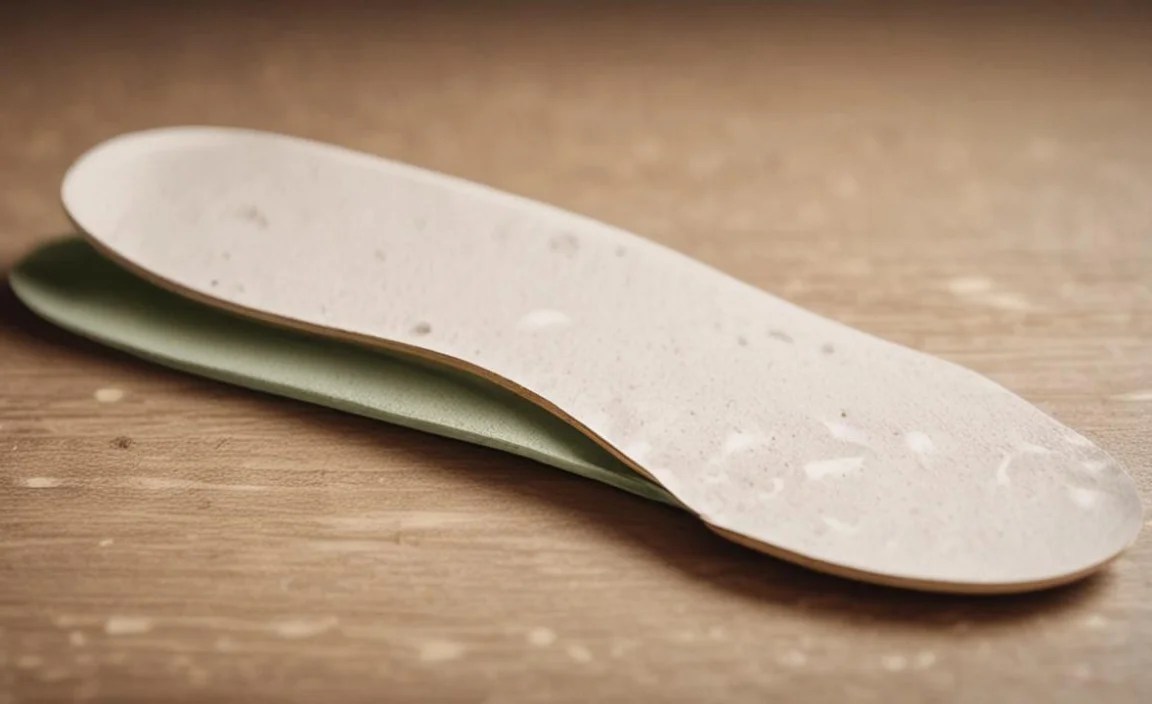
The benefits of using appropriate insoles extend beyond immediate comfort. By reducing fatigue and preventing injuries, they allow conservationists to perform their duties with greater focus and for longer durations. This means more ground covered, more data collected, and a more significant contribution to conservation goals. Furthermore, by protecting the feet and joints from excessive stress and impact, good insoles can contribute to the long-term health of a conservationist, preventing chronic pain and ensuring they can continue their vital work for years to come.
Investing in a quality pair of insoles designed for demanding fieldwork is not a luxury; it’s a practical and essential step for any conservationist. It’s a small addition to your field gear that can make a world of difference to your comfort, your performance, and your overall well-being. When the mission calls for extended time in the elements, ensure your feet are equipped to support you every step of the way.
