Insoles: Boost Circulation Effortlessly
Poor circulation can manifest in a variety of uncomfortable and even concerning ways, from cold feet and tingling sensations to swelling and an increased risk of more serious health issues. While many approaches exist to address these problems, from dietary changes to medical interventions, a surprisingly simple yet effective solution often overlooked is the humble insole. Specifically, insoles for circulation support offer a convenient and often overlooked method to enhance blood flow throughout the lower extremities, directly impacting overall well-being.
The intricate network of blood vessels extending to our feet and toes is crucial for delivering oxygen and vital nutrients to every cell. When circulation falters, this essential supply line can become compromised. Factors like prolonged sitting or standing, certain medical conditions (such as diabetes or peripheral artery disease), age, and even the type of footwear we choose can all contribute to reduced blood flow. The consequences are more than just an annoying chill; impaired circulation can lead to nerve damage, slow wound healing, and an increased susceptibility to infections. This is where the targeted benefits of specialized insoles come into play, providing a non-invasive and accessible way to help your body’s natural circulation mechanisms.
Understanding How Insoles for Circulation Support Work
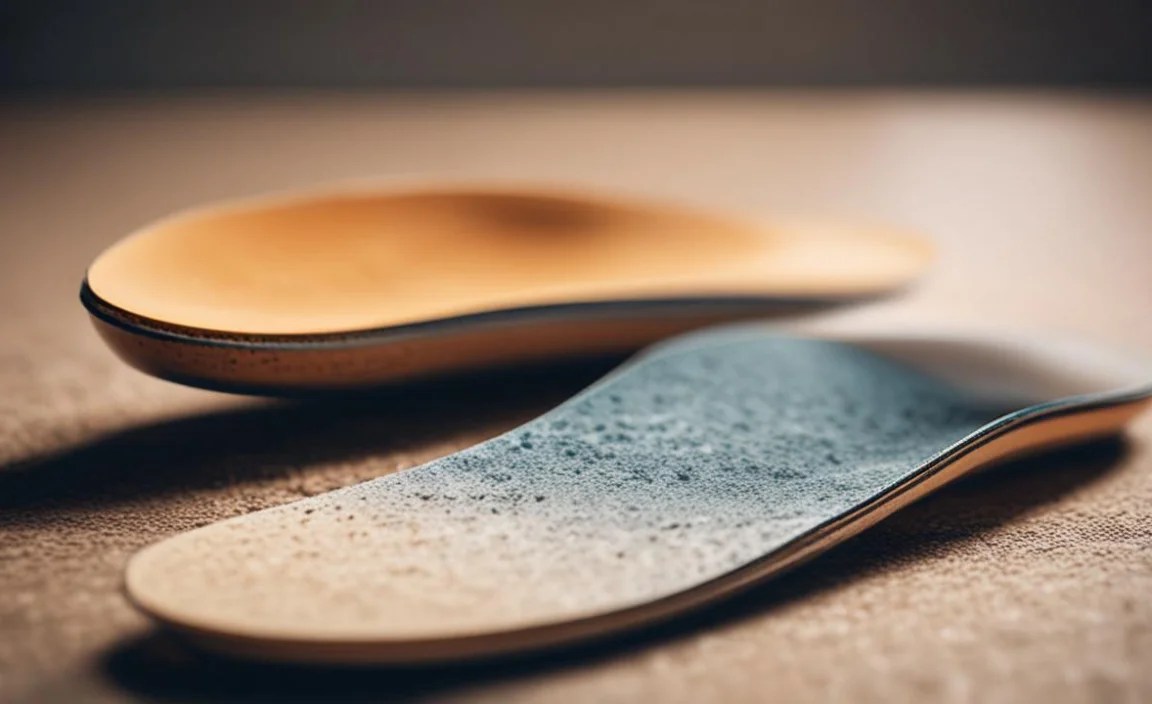
The effectiveness of insoles for circulation support stems from their innovative design and the materials they utilize. Unlike standard insoles that primarily focus on cushioning or arch support, these specialized inserts are engineered with features that actively encourage better blood flow. Several mechanisms are at play:
Targeted Compression: Many circulation-boosting insoles incorporate graduated compression zones. This means they apply slightly more pressure at the ankle and gradually less pressure as the insole moves up towards the toes. This gentle, upward pressure helps “milk” the blood vessels, assisting the veins in returning blood more efficiently back towards the heart. This process can significantly reduce pooling of blood in the feet and ankles, a common cause of swelling and discomfort.
Therapeutic Materials: Certain insoles are crafted from materials that possess inherent therapeutic properties. For example, some are infused with copper ions, which are believed to have anti-inflammatory and circulation-enhancing effects. Others might use magnetic therapy elements, although scientific evidence for the efficacy of magnets in this context is still debated, many users report positive experiences. The choice of material also plays a role in temperature regulation; breathable fabrics can help keep feet dry and comfortable, indirectly supporting healthy circulation by preventing conditions like athlete’s foot which can exacerbate related issues.
Massage and Acupressure Points: Some of the more advanced insoles feature raised nodes or textured surfaces strategically placed to stimulate pressure points on the sole of the foot. These acupressure points are believed to be connected to various bodily systems, including the circulatory system. By gently massaging these points with each step, these insoles can help to relax muscles, improve nerve function, and encourage blood flow to superficial vessels. Think of it as a mini foot massage with every stride you take.
Cushioning and Shock Absorption: While not their primary function, good cushioning and shock absorption are still vital. Reducing the impact on your feet and legs during walking or standing can help prevent micro-trauma to blood vessels and reduce overall stress on your circulatory system. This, in turn, can allow for more efficient blood flow without added impediment.
Who Can Benefit from Insoles for Circulation Support?

The benefits of insoles for circulation support are not limited to individuals with diagnosed circulatory conditions. A wide range of people can experience improvements in their lower limb comfort and health:
Individuals with Sedentary Lifestyles: Those who spend long hours sitting at a desk or driving often experience leg and foot discomfort due to lack of movement. Insoles can provide a passive way to stimulate circulation throughout the day.
People Who Stand for Extended Periods: Nurses, retail workers, teachers, and others who are on their feet all day can suffer from swelling and fatigue. Graduated compression insoles can offer significant relief.
Frequent Travelers: Long flights or car journeys can lead to reduced circulation and an increased risk of deep vein thrombosis (DVT). Wearing supportive insoles during travel can help mitigate these risks and improve comfort.
Older Adults: As we age, circulation naturally tends to slow down. Insoles can help maintain better blood flow and reduce age-related discomfort.
Individuals with Specific Conditions: People managing conditions like diabetes, peripheral neuropathy, varicose veins, or arthritis may find that these insoles help alleviate symptoms and support overall leg health. However, it is crucial for individuals with pre-existing medical conditions to consult their doctor before using any new supportive device, including insoles.
Choosing the Right Insoles for Your Needs

When selecting insoles for circulation support, consider the following:
Material: Look for breathable, moisture-wicking materials.
Compression Level: If you need significant support, opt for graduated compression. For milder issues, a general support insole might suffice.
Features: Decide if you want acupressure nodes, therapeutic materials, or simple cushioning.
Shoe Compatibility: Ensure the insoles fit well in your everyday footwear. They come in various thicknesses and shapes to accommodate different shoe types.
Professional Advice: If you have specific medical concerns, consult a podiatrist or healthcare professional. They can recommend the most appropriate type of insole for your individual needs and provide guidance on proper usage.
Incorporating insoles designed for circulation support into your daily routine can be a simple yet profound step towards alleviating discomfort, promoting better foot health, and boosting your overall sense of well-being. By addressing the fundamental need for efficient blood flow, these often-underestimated foot inserts empower you to move through your day with greater comfort and vitality.
