Experiencing insoles blisters fix is a common frustration for anyone seeking greater comfort and support from their footwear.
While insoles are designed to enhance cushioning, alleviate pressure points, and correct biomechanical issues, a poorly fitted or incompatible pair can quickly turn into a source of painful friction. These unwelcome fluid-filled sacs are not just aesthetically displeasing; they can significantly impact your mobility and daily life.
Fortunately, understanding the common culprits behind insole-induced blisters is the first step towards finding effortless relief and enjoying the benefits your insoles are meant to provide.
Understanding Why Insoles Cause Blisters
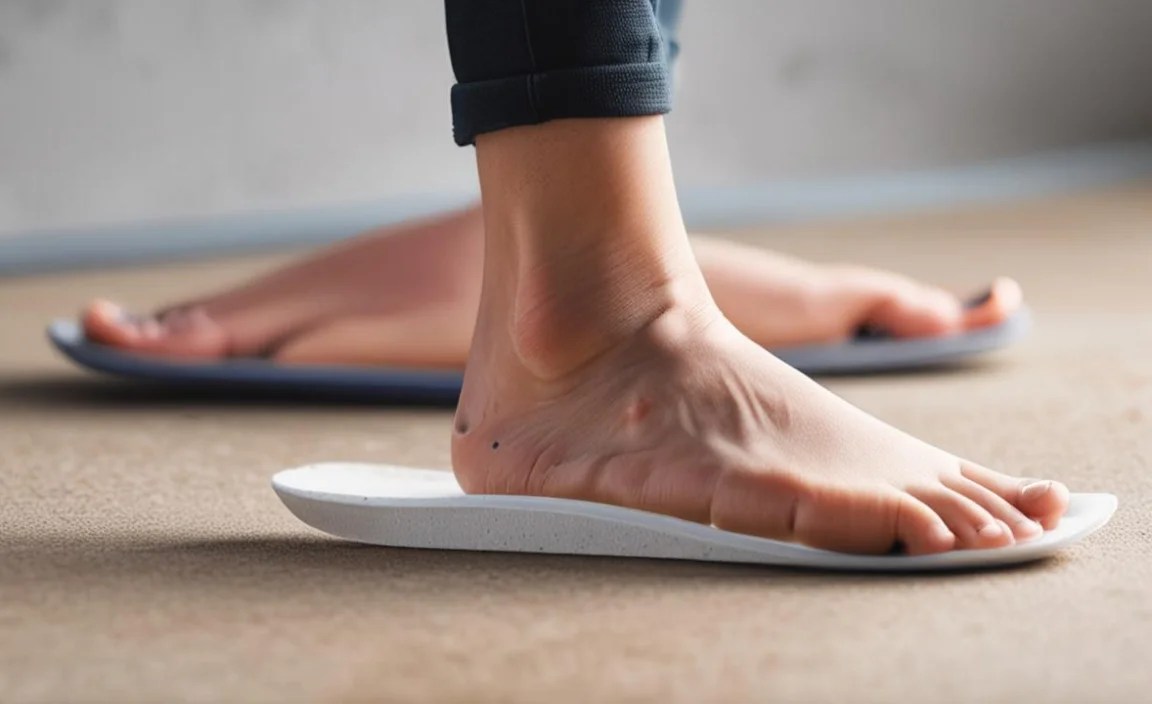
Before we dive into the solutions, it’s crucial to pinpoint why insoles, meant to help, can sometimes hurt. The primary reason for blisters is friction. When your foot rubs against the insole or the inside of your shoe due to movement, that constant abrasion can break down the outer layers of your skin, allowing fluid to accumulate underneath. Several factors exacerbate this friction in the context of insoles:
Poor Fit: This is the most frequent offender. If an insole is too large, it can bunch up, creating ridges and uneven surfaces that rub against your foot. Conversely, an insole that’s too small might not properly fill the shoe’s arch, leading to gaps and movement.
Material and Texture: Some insole materials are inherently more abrasive than others. Rough textures or absorbent materials that don’t wick away moisture effectively can increase friction. If the insole material is too slippery, your foot might also slide around more within the shoe.
Incorrect Sizing in Relation to Shoe: Even if an insole fits your foot perfectly, it might be too thick for your shoe. This can make your shoe feel tighter, forcing your foot into unnatural positions and increasing pressure points, especially around the heel and toe box.
Sudden Introduction: If you’re new to wearing insoles or switching to a significantly different type, your feet might not be accustomed to the added support or material. This sudden change can lead to friction points developing more readily.
Moisture Build-up: Sweaty feet are a breeding ground for friction. When insoles don’t allow for adequate breathability, moisture gets trapped between your foot and the insole, softening the skin and making it more susceptible to blistering.
Troubleshooting Insoles Causing Blisters Fix
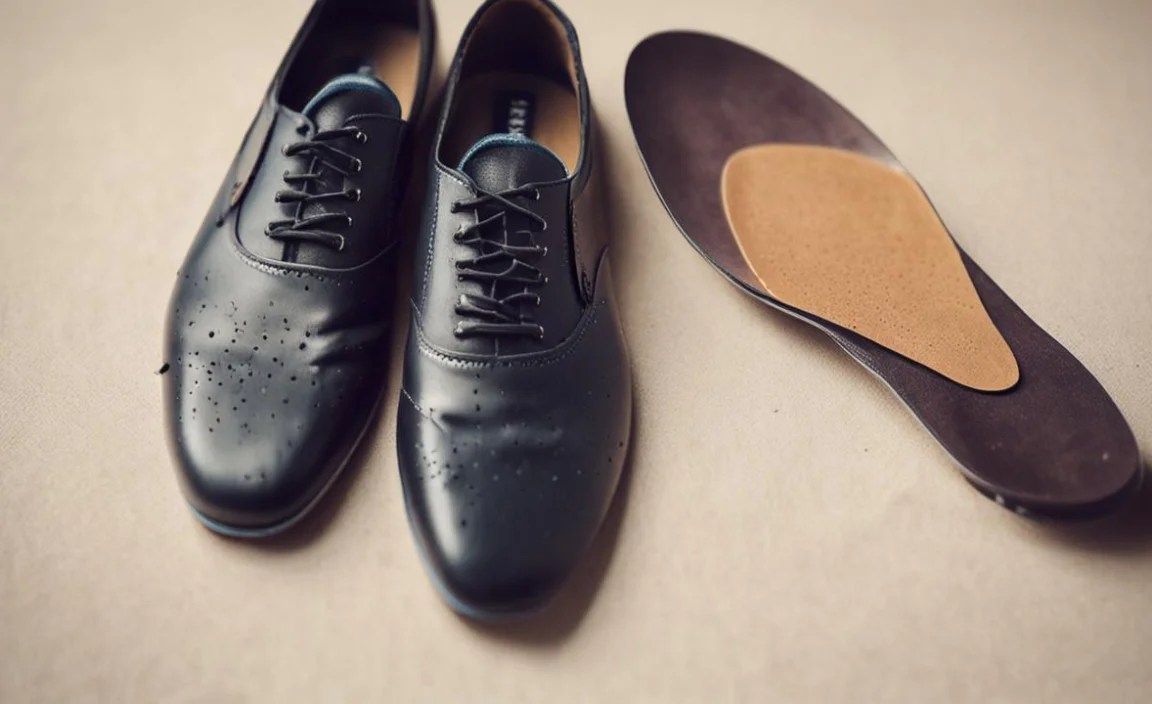
Once you’ve identified the potential cause, addressing it becomes much simpler. Here’s a breakdown of how to tackle insoles causing blisters fix using practical strategies:
The Importance of Proper Insoles Fit

This is the bedrock of preventing blisters. Take the time to get your insoles fitted correctly. If you purchased them online without trying them first, consider:
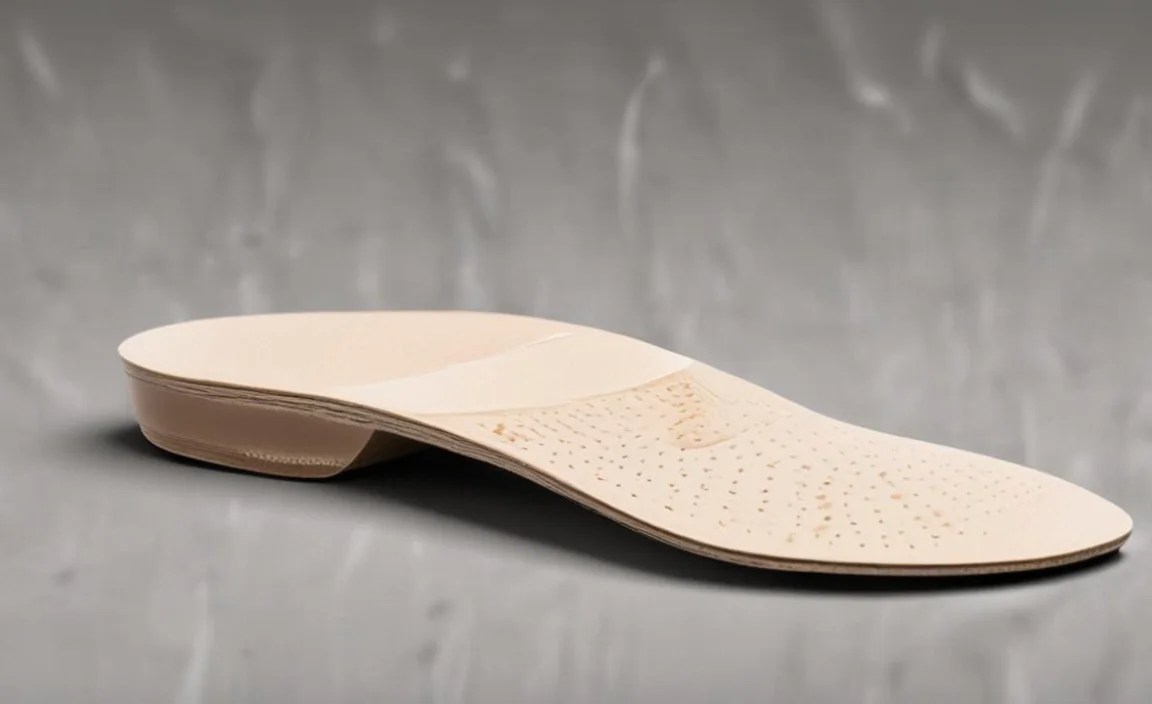
Trimming to Size: Most insoles come with guides to trim them to your specific shoe size. Use sharp scissors and follow the lines precisely. It’s better to trim a little at a time and re-test than to cut too much off. Ensure the heel cup cradles your heel and the arch support aligns with your natural foot arch.
Consulting a Professional: For custom orthotics or if you’re experiencing persistent issues, visit a podiatrist or a specialist shoe store. They can assess your foot type, gait, and recommend the best insole for your needs, often with precise fitting services.
Material Matters: Choosing the Right Insole Surface
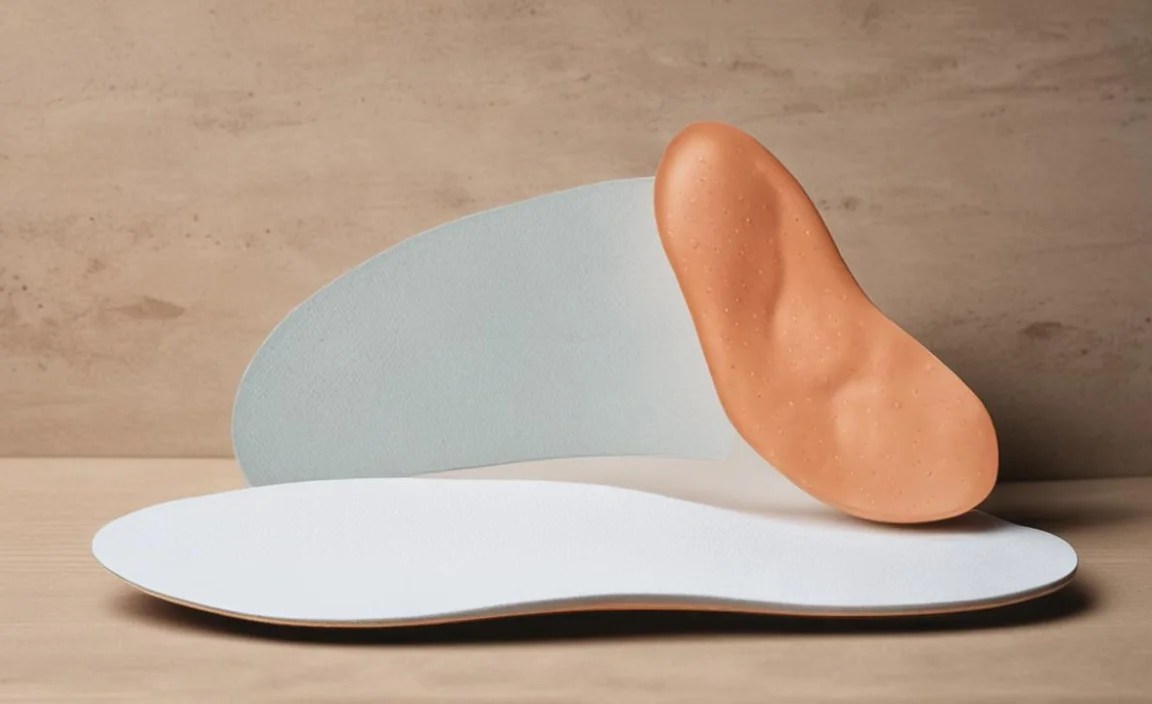
The material of your insole plays a significant role in preventing blisters. Look for insoles with surfaces that offer a good balance:
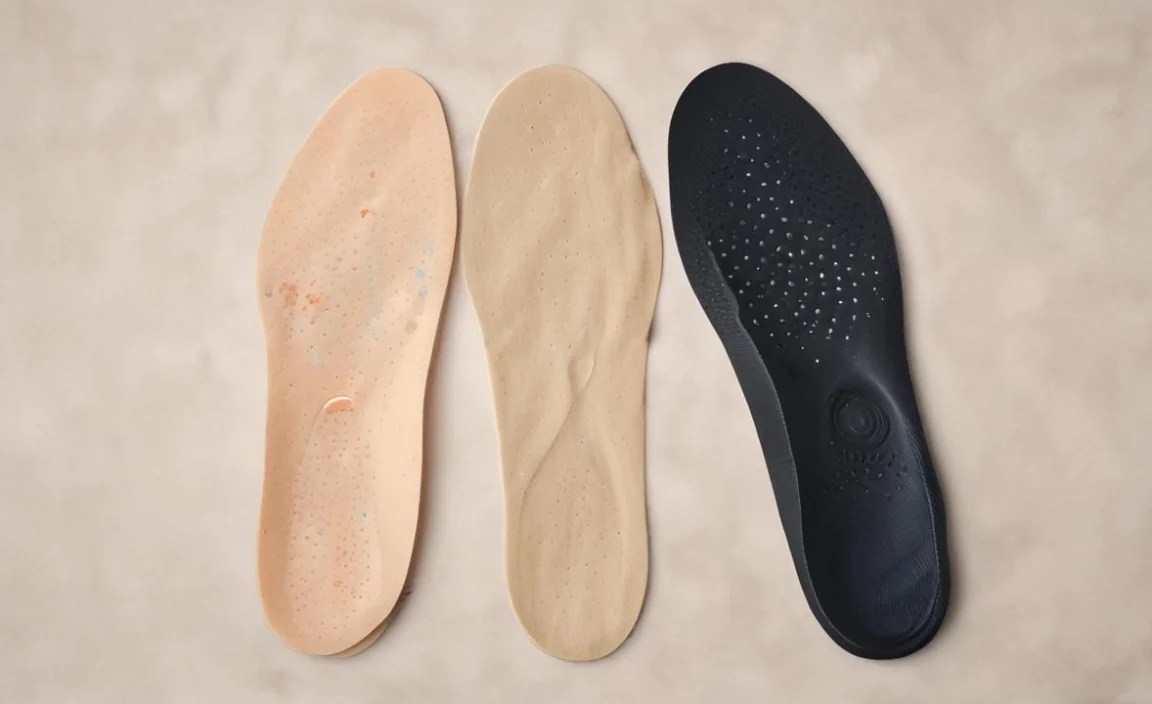
Moisture-Wicking Linings: Materials like synthetic fabrics, bamboo, or certain specialized foams are designed to draw moisture away from your skin, keeping your feet drier and reducing friction.
Smooth, Non-Abrasive Textures: Avoid insoles with overly rough or bumpy textures that could chafe your skin. A smooth yet slightly grippy surface is ideal.
Breathability: Ensure the insole material itself allows for air circulation. Some insoles have perforations or are made of porous materials to enhance breathability.
Addressing Shoe-Insole Compatibility
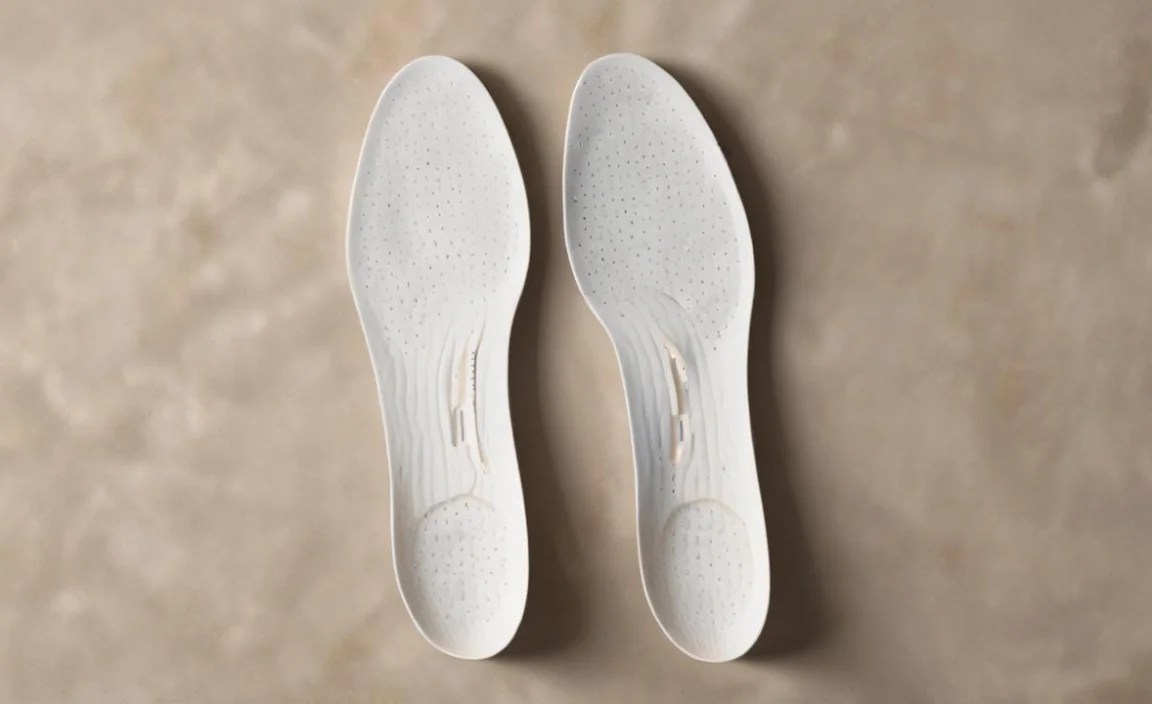
The relationship between your shoes and your insoles is symbiotic. An incompatibility can spell disaster for blister-free feet:
Thickness Considerations: If your insoles are too thick, they can create undue pressure or make your shoes feel too tight. This can compress your foot, leading to rubbing, especially at the toes and heels. Try removing the original shoe insole (if present) before inserting the new one. If the new insole still makes the shoe too snug, consider a thinner alternative.
Shoe Structure: Some shoes, particularly those with stiff heels or rigid constructions, might be more prone to causing friction with insoles, especially if the insole isn’t perfectly integrated. Consider the overall design of your footwear.
Acclimatizing Your Feet Gradually
If you’ve recently switched to new insoles, give your feet time to adapt:
Break-in Period: Wear your new insoles for short periods initially, gradually increasing the duration. This allows your skin to toughen up and adapt to the new support and feel.
Listen to Your Feet: Pay attention to any initial discomfort or hot spots. These are early warning signs that need to be addressed before a full blister forms.
Preventive Measures for Lasting Relief
Beyond troubleshooting specific insole issues, adopting a proactive approach can ensure long-term blister prevention:
Socks are Key: Always wear high-quality, moisture-wicking socks with absorbent properties. Avoid cotton socks, as they hold moisture against your skin. Wool blends or synthetic athletic socks are excellent choices. Double-layer socks can also help by creating a friction barrier between the layers rather than against your skin.
Foot Hygiene: Keep your feet clean and dry. After exercise or a long day, wash and thoroughly dry your feet, paying attention to the spaces between your toes.
Lubrication: Applying an anti-chafing balm or petroleum jelly to friction-prone areas before putting on socks and insoles can create a smooth barrier.
Regular Inspection: Periodically inspect your insoles for wear and tear. Worn-out insoles can develop lumps or uneven surfaces that contribute to blisters. Also, check the inside of your shoes for any rough seams or stitching that might be causing irritation.
By understanding the nuances of how insoles can cause blisters and implementing these practical solutions, you can transform your footwear experience. Effortless relief isn’t a distant dream; it’s achievable by paying attention to the details of fit, material, and how your insoles interact with your shoes and your feet. Don’t let blisters dictate your comfort; take control and enjoy pain-free steps.
}
@media screen and (max-width: 480px) {
}
;
}
