Calf pain running is a frustrating obstacle that can sideline even the most dedicated runners. Whether you’re a seasoned marathoner or a weekend warrior, that persistent ache in your lower leg can quickly turn a joyful stride into a painful ordeal. Fortunately, relief is often within reach, and for many, the solution lies in the often-overlooked component of their running gear: the insole. Specifically, insoles for calf pain running are designed to address the root causes of discomfort, offering support, cushioning, and alignment corrections that can make a world of difference.
The reasons behind calf pain during running are numerous. It can stem from muscular strains, Achilles tendonitis, shin splints, or even biomechanical issues that put excessive stress on the calf muscles. Overpronation, where the foot rolls inward excessively, is a common culprit, leading to an unnatural gait that overworks the calves. Conversely, a foot that is too rigid and doesn’t pronate enough can also create strain as the body compensates. Tightness in the calf muscles themselves, inadequate warm-ups, or a sudden increase in training intensity can all contribute to that dreaded burning sensation. Understanding these potential causes is crucial, as it helps pinpoint the type of support and cushioning you might need from your insoles.
How Insoles for Calf Pain Running Offer Relief

The magic of specialized insoles lies in their ability to gently influence your biomechanics and enhance comfort. They are not just mere padding; they are engineered to provide specific benefits:
Supporting Your Natural Gait with Insoles for Calf Pain Running

One of the primary ways insoles help with calf pain is by correcting or supporting your natural foot strike and gait. Runners who overpronate often benefit from insoles with built-in arch support and stability features. These features help to control the inward rolling motion of the foot, reducing the excessive strain placed on the calf muscles and the Achilles tendon. For supinators (runners whose feet roll outward), insoles that offer superior cushioning and flexibility can absorb shock more effectively and prevent the calf from compensating for a lack of natural shock absorption.
Cushioning the Impact
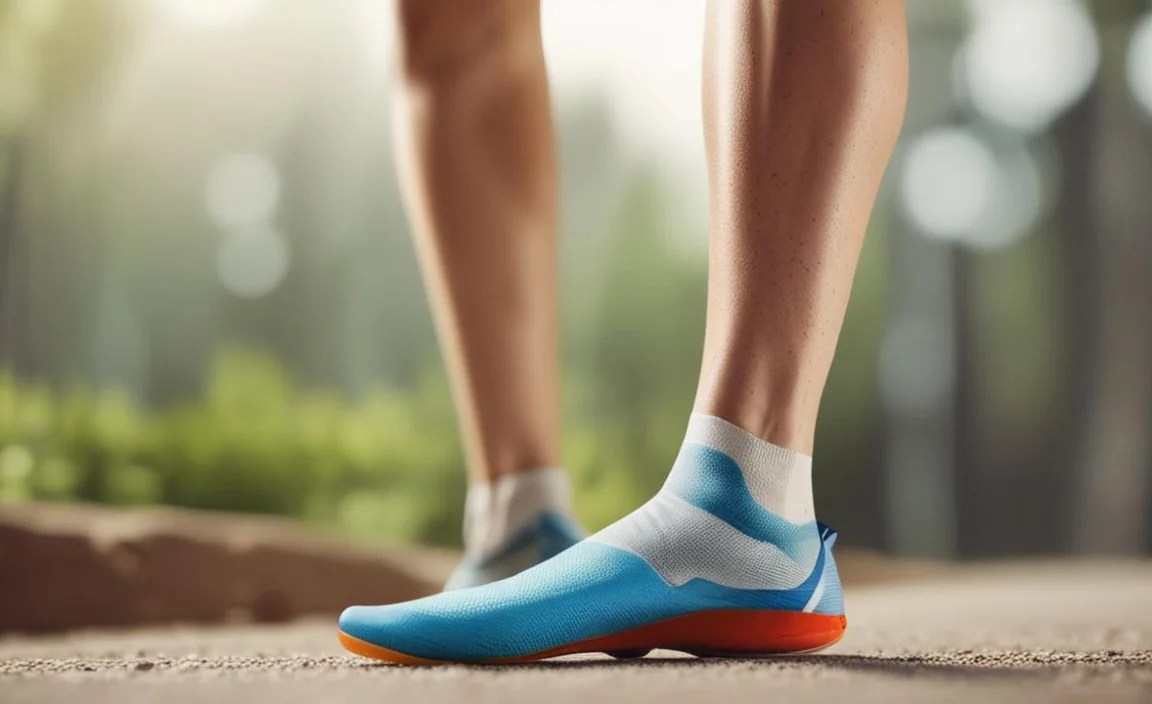
Running inherently involves repetitive impact. Each stride sends shockwaves up your legs, and if your footwear lacks adequate cushioning, your calves bear a significant portion of this burden. High-quality running insoles are crafted with advanced cushioning materials like EVA foam, gel inserts, or specialized polymers. This added layer of shock absorption significantly reduces the impact on your calf muscles, allowing them to recover more efficiently and reducing the likelihood of strain and fatigue.
Enhancing Arch Support
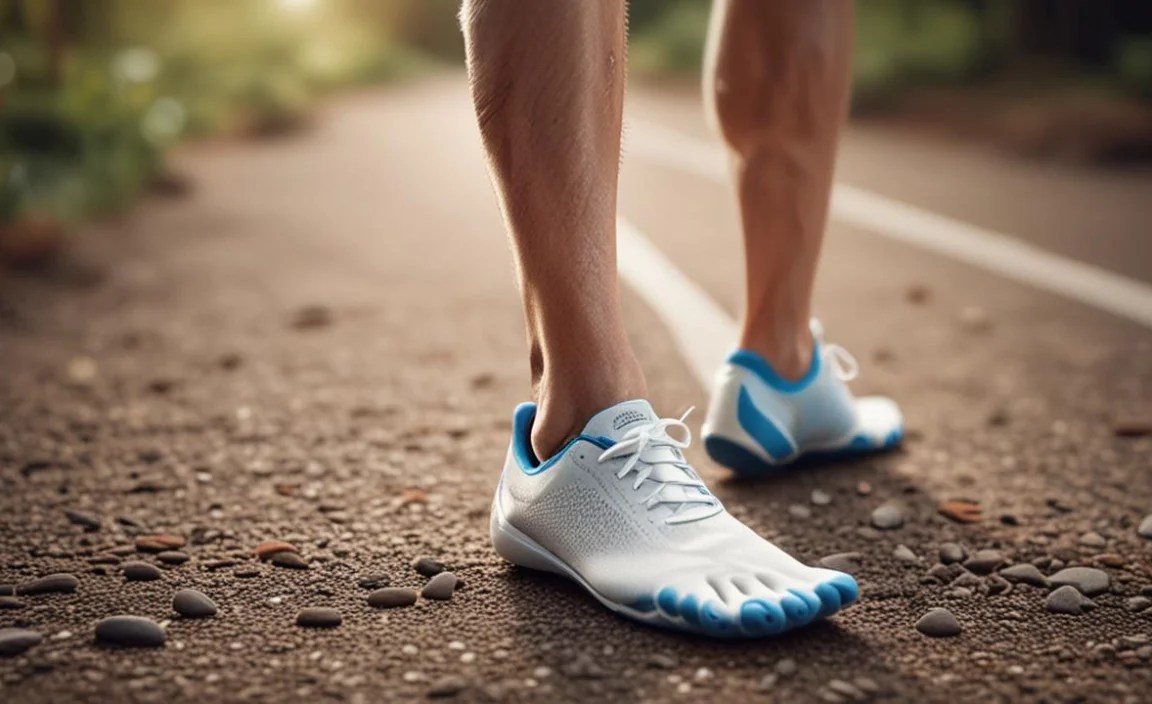
The arch of your foot plays a vital role in absorbing shock and distributing pressure evenly. When the arch is weak or collapses (common in overpronation), the calf muscles have to work harder to stabilize the foot and propel you forward, leading to pain. Insoles with robust arch support help to maintain the natural structure of your foot, ensuring proper alignment from the ground up. This, in turn, alleviates the overexertion of the calf muscles.
Proper Heel Stabilization
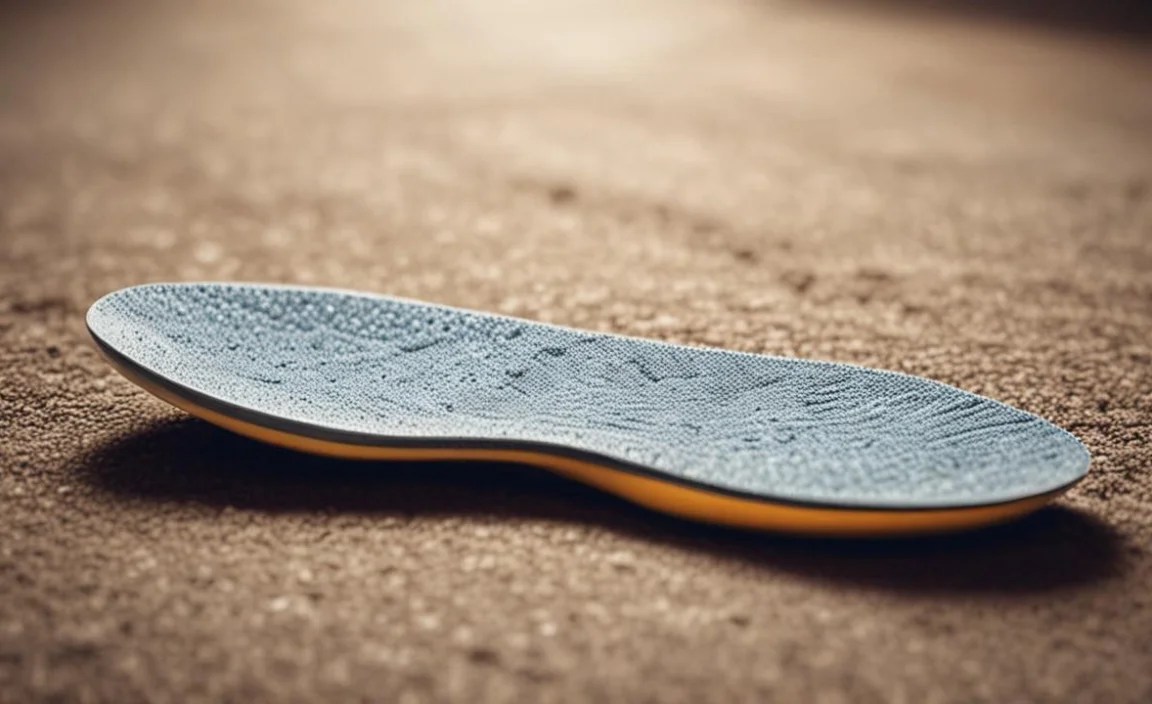
A stable heel is crucial for efficient running mechanics. Insoles can feature a deeper heel cup or stabilizing elements that cradle the heel, preventing excessive side-to-side motion. This stability translates to a more controlled and efficient push-off, reducing the torsional forces that can travel up to the calf muscles.
Choosing the Right Insoles for Your Calf Pain

Navigating the world of running insoles can be a bit daunting, but focusing on your specific needs will guide you to the best solution:
Identify Your Foot Type and Pronation Pattern
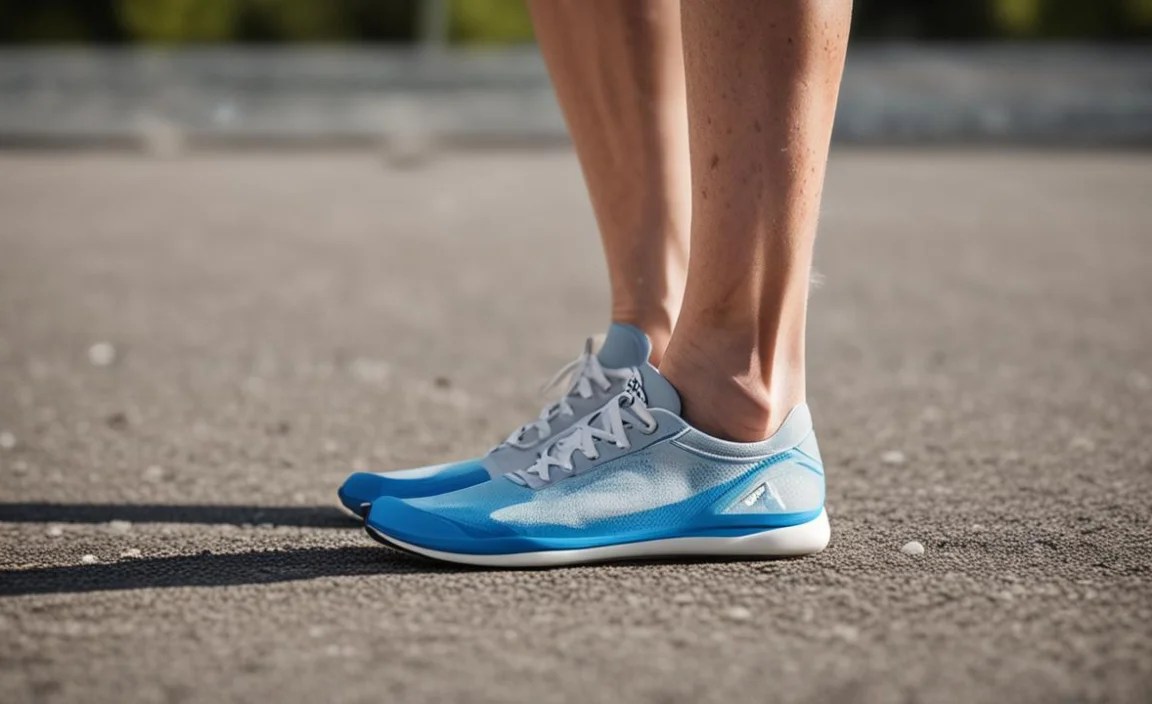
The first step is understanding your feet. Do you have high arches, low arches, or neutral arches? Are you an overpronator, supinator, or neutral runner? Many running stores offer gait analysis services that can help you determine this. Once you know your pronation pattern, you can look for insoles specifically designed to counteract or support it.
Consider the Level of Support and Cushioning Required

If your calf pain is primarily due to impact and fatigue, prioritize insoles with superior cushioning. If biomechanical issues like overpronation are the main concern, focus on insoles that offer excellent stability and arch support. Some insoles offer a balance of both, which can be ideal for runners experiencing a combination of issues.
Material Matters
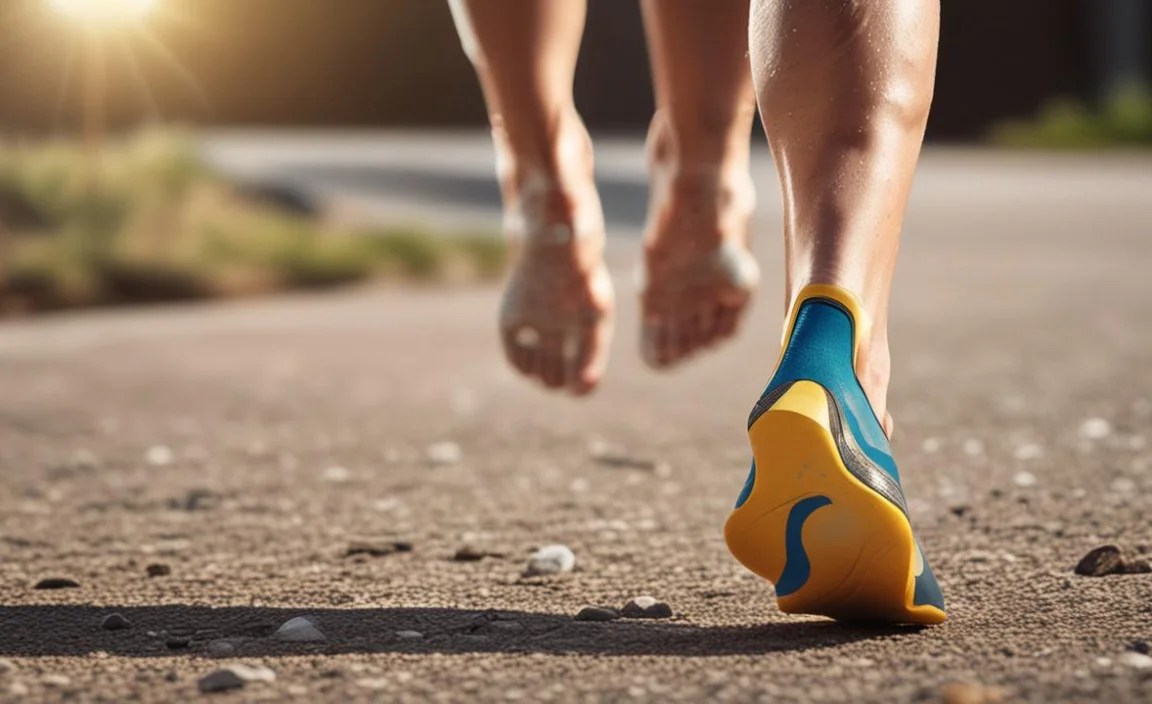
The materials used in insoles significantly impact their performance and lifespan. Look for breathable materials that wick away moisture to keep your feet dry and comfortable, reducing the risk of blisters. The cushioning material should be responsive and durable, providing consistent support over time. Polyurethane and EVA foams are common choices, offering a good blend of comfort and support.
Trial and Error (and Return Policies!)
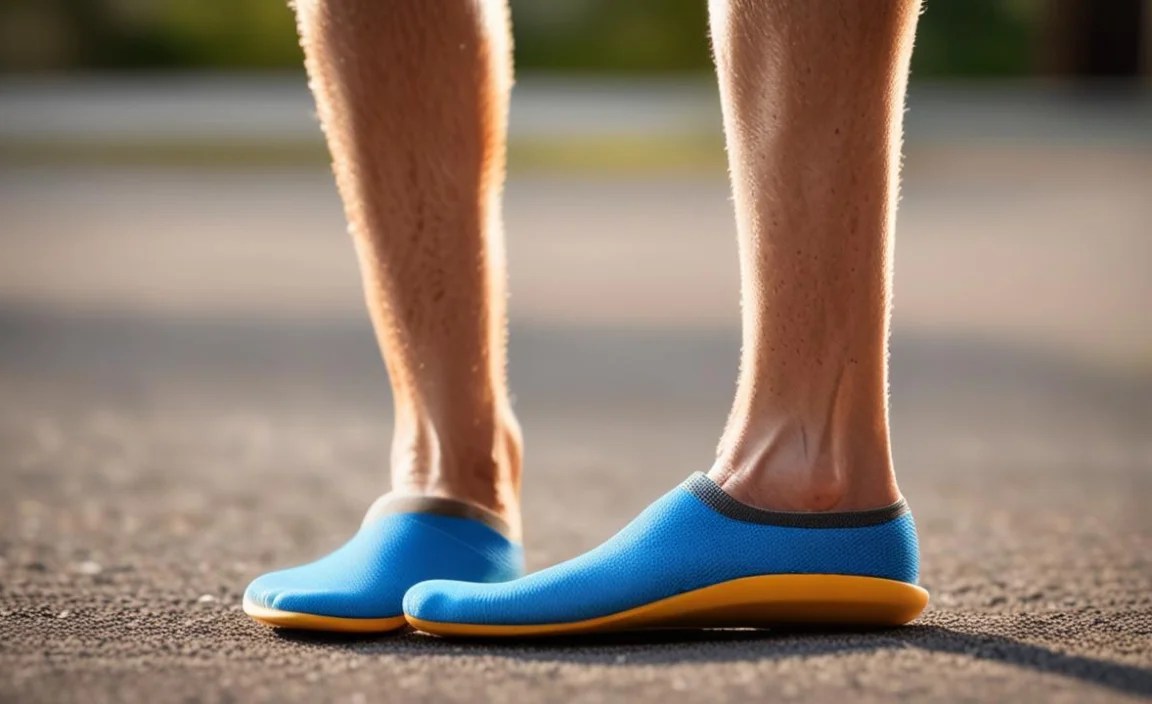
It’s important to remember that what works best for one runner might not be perfect for another. Don’t be afraid to try out a few different pairs of insoles. Many reputable running gear retailers offer generous return policies, allowing you to test insoles on your runs and return them if they don’t provide the relief you’re seeking.
Incorporating the right insoles for calf pain running into your gear can be a game-changer. They offer a targeted and effective solution to a common runner’s ailment, allowing you to get back to enjoying your runs without the nagging discomfort. By understanding the causes of your calf pain and choosing insoles that address your specific biomechanical needs, you can stride with confidence and leave that pain behind.
}
@media screen and (max-width: 480px) {
}
;
}
