Thin barefoot shoe insoles are experiencing a surge in popularity, and for good reason. They offer a subtle yet significant enhancement to the already popular barefoot shoe experience, providing an “effortless comfort” that many users seek.
While barefoot shoes are designed to mimic the feeling of walking barefoot, offering a wide toe box, zero drop, and flexible sole, the addition of a thin insole can further refine this sensation, making them even more adaptable to various feet and preferences.
These aren’t your grandmother’s bulky orthopedic inserts; instead, they are meticulously crafted to complement the core principles of barefoot footwear, adding a touch of cushioning and support without compromising the natural feel.
The fundamental appeal of barefoot shoes lies in their ability to promote natural foot mechanics. They encourage toe splay, strengthen intrinsic foot muscles, and allow for a more intuitive connection with the ground.
However, individual feet vary, and some may benefit from a slight adjustment to the internal feel of their footwear. This is precisely where thin barefoot shoe insoles come into play. They can act as a gentle mediator, smoothing out minor irregularities in the shoe’s interior, providing a touch more breathability, or offering a whisper of cushioning that can make a noticeable difference during extended wear.
The Purpose of Insoles for Barefoot Shoes Thin Design

The primary objective of insoles for barefoot shoes, thin in their design, is not to alter the fundamental biomechanics that barefoot shoes promote. Instead, their purpose is nuanced and serves to enhance the user experience in several key ways.
Firstly, they can offer a layer of protection against potential irritants within the shoe itself. Some barefoot shoes, particularly those made with natural materials, might have very fine seams or textures that, over time, could cause mild friction for some individuals. A thin insole acts as a barrier, preventing this discomfort.
Secondly, these insoles can subtly improve moisture management. While many barefoot shoes are designed with breathable materials, the natural act of walking and the warmth of the foot can still lead to moisture buildup.
Thin insoles, especially those made from materials like cork or certain natural fibers, can help wick away perspiration, keeping feet drier and more comfortable. This is particularly beneficial for those who tend to have warmer feet or live in humid climates, further contributing to that feeling of effortless comfort.
Furthermore, for individuals making the transition to barefoot shoes, a thin insole can provide a very gentle introduction. It offers a touch of something “underfoot” that might feel more familiar to those accustomed to more traditional footwear.
This can ease the psychological adjustment, allowing users to gradually embrace the minimalist feel of barefoot shoes without feeling a drastic change, fostering a smoother and more comfortable adaptation process.
Benefits of Incorporating Thin Barefoot Shoe Insoles

The advantages of using thin barefoot shoe insoles are surprisingly diverse. One of the most significant is the enhanced sensory feedback. While barefoot shoes are designed for ground feel, a thin insole can sometimes refine this. It can provide a more uniform contact surface, reducing the possibility of a sharp pebble or an uneven patch of ground being felt too intensely. This allows for a more confident and enjoyable stride, especially on varied terrain.
Another key benefit is the accommodation of different foot shapes and volumes. While barefoot shoes typically boast a generous toe box, the arch and instep can still vary. A thin insole can subtly fill in any minor dead space, ensuring a snugger, more secure fit without being constrictive. This is particularly useful for individuals with lower arches or a lower foot volume, preventing the foot from sliding around unnecessarily within the shoe.
For those who experience mild sensitivity to temperature, a thin insole can offer a degree of thermal regulation. Materials like wool-based insoles can provide a little extra warmth in cooler conditions, while breathable, moisture-wicking options can help keep feet cool and dry in warmer weather. This adaptability further contributes to the overarching theme of effortless comfort, allowing the wearer to feel at ease regardless of external conditions.
Finally, these insoles can also extend the lifespan of the shoe. By absorbing some of the friction and moisture generated by the foot, the insole takes on some of the wear and tear, protecting the underlying shoe material. This ensures that your beloved barefoot shoes remain comfortable and perform well for an extended period, making them a wise investment.
Choosing the Right Thin Insoles
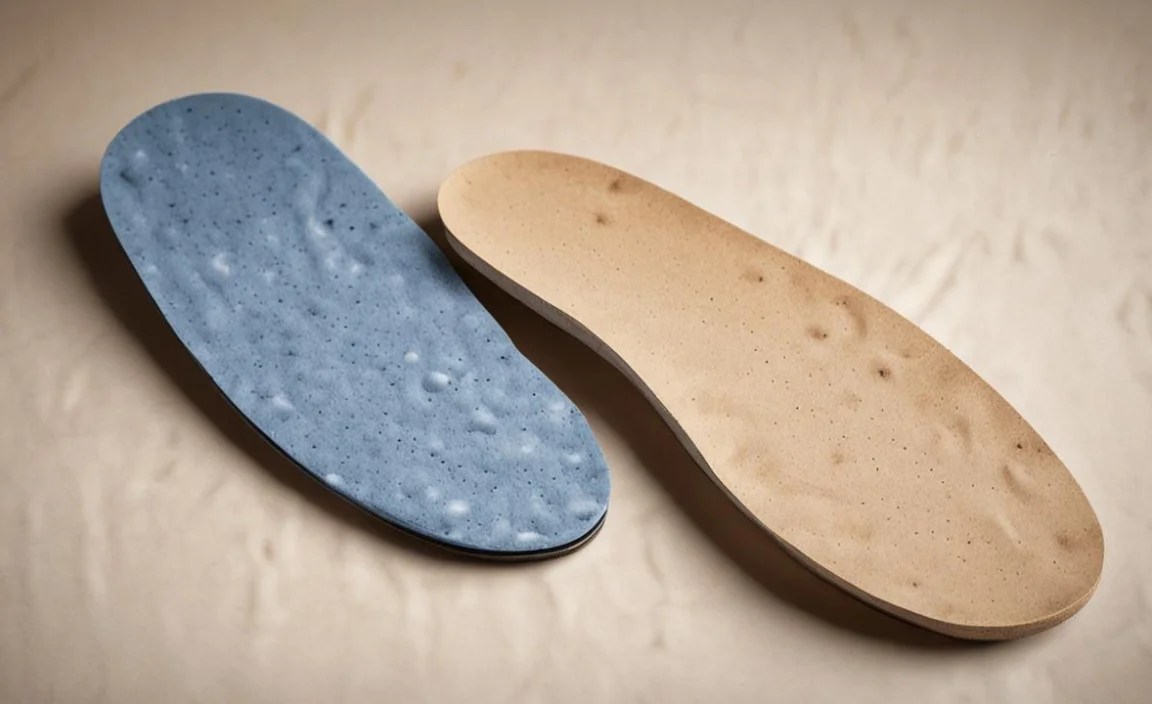
When selecting insoles for barefoot shoes thin in their construction, consider a few crucial factors. Material is paramount. Natural materials like cork, felted wool, or breathable natural fibers often align best with the philosophy of barefoot footwear. Cork, for instance, is known for its cushioning, antimicrobial properties, and ability to mold to the foot over time. Felted wool offers excellent insulation and moisture-wicking capabilities.
Think about the intended use. If you plan on wearing your barefoot shoes for light walking and everyday activities, a simple, flexible insole will suffice. For more demanding activities like hiking on rough terrain, you might look for an insole with slightly more structured arch support, albeit still thin and minimalist.
The thickness itself is a critical consideration. Aim for insoles that are no more than 2-3 millimeters thick. Anything significantly thicker will begin to compromise the natural feel and ground connection that barefoot shoes are designed to provide. The goal is enhancement, not alteration of the core barefoot experience.
Finally, don’t underestimate the importance of fit. While insoles are generally trimmable, finding a pair that closely matches the shape of your barefoot shoe’s interior will ensure seamless integration and prevent any potential bunching or discomfort. Many reputable barefoot shoe brands offer their own line of complementary thin insoles, which are often the safest bet for optimal compatibility.
In conclusion, thin barefoot shoe insoles are not about adding bulk or artificial support. They are about refining an already excellent experience, offering subtle improvements in comfort, hygiene, and adaptability. For those seeking that truly effortless comfort in their barefoot footwear, these thin insoles are a simple yet effective solution, allowing for a smoother, more pleasant journey with every step.
