Insole Fit Guide: Best Tips
The right insoles can be a game-changer for your comfort and foot health, but achieving that perfect fit can sometimes feel like a puzzle. Adding an insole into a shoe that’s already snug can lead to discomfort, rubbing, or even pain. Conversely, a thick insole in a loose shoe can exacerbate the problem, making your footwear feel unstable. Understanding how insoles affect shoe fit is crucial to unlocking their full benefits. This comprehensive guide will walk you through everything you need to know to ensure your insoles integrate seamlessly with your favorite shoes, enhancing comfort and support without compromising the fit.
Understanding the Impact of Insoles on Shoe Fit
Before diving into specific tips, it’s essential to grasp the fundamental principle: insoles add volume and alter the internal dimensions of your footwear. Think of it like adding an extra sock; it occupies space. Depending on the thickness of the insole and the existing clearance in your shoe, this added volume can have a significant impact.
Reduced Volume: Thicker, more supportive insoles designed for orthotic purposes or high-impact activities will naturally take up more space. This can make a shoe that was previously a perfect fit feel tighter, potentially constricting your toes or the top of your foot.
Arch Support and Heel Cup: Many insoles feature built-in arch support and a deeper heel cup. These elements can subtly change how your foot sits within the shoe, potentially affecting heel slippage or the overall snugness around the ankle.
Material and Flexibility: The material of the insole also plays a role. Firm, rigid insoles offer more structure but might feel less forgiving in tight shoes. Softer, more flexible insoles can often compress slightly, adapting to the shoe’s interior with less resistance.
When Do Insoles Affect Shoe Fit the Most?
Certain types of shoes and specific foot conditions are more susceptible to the changes insoles can bring:
Dress Shoes and Loafers: These often have a sleeker, more structured design with less internal room. Adding even a moderately thick insole can significantly alter their fit.
Running and Athletic Shoes: While designed with some flexibility, these can still become too tight if you add substantial insoles to shoes that are already a snug athletic fit.
High Heels: The angled nature of high heels means any added insole volume can be acutely felt, potentially leading to pressure points.
Individuals with Wide Feet or Bunions: If you already struggle to find shoes that accommodate your foot width or deformities, adding an insole might make your current footwear unbearable.
People Needing Extra Cushioning: While cushioning is beneficial, very thick, plush insoles will undoubtedly reduce internal shoe volume.
Your Insoles Affecting Shoe Fit Guide: Practical Steps
Navigating the world of insoles and their impact on your footwear requires a strategic approach. Here are the best tips to ensure optimal comfort and function:
1. Assess Your Current Shoe Fit

Before even considering an insole, take stock of how your shoes currently fit.
Toe Box Room: Can you wiggle your toes freely? Is there about a thumb’s width between your longest toe and the end of the shoe?
Midfoot Comfort: Does the shoe feel comfortably snug across the ball of your foot, or is it too tight or too loose?
Heel Stability: Does your heel slip when you walk?
Arch Feel: Do you feel adequate support, or is there a gap?
If your shoes are already on the tighter side, you’ll need to opt for thinner insoles or consider a half-size larger shoe. If they’re a bit loose, thicker insoles might actually improve the stability and comfort.
2. Understand Insole Types and Thickness
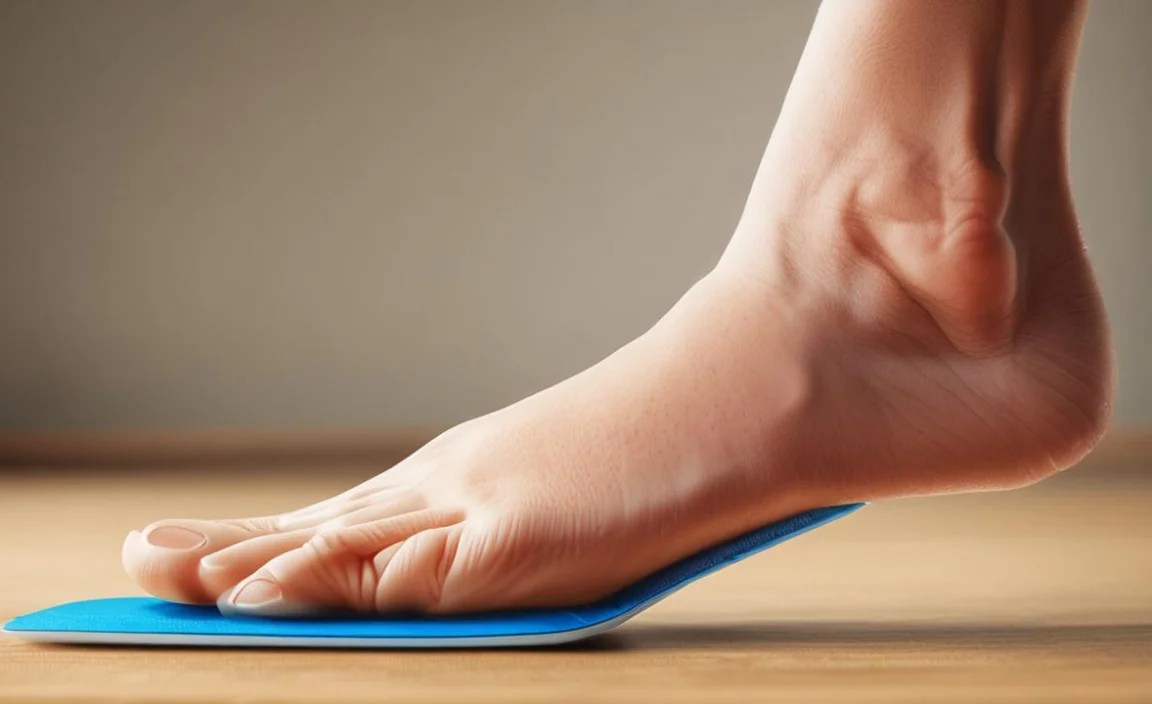
Insoles come in a vast array of designs, each with a different purpose and thickness:
Cushioning Insoles: These prioritize shock absorption and comfort for everyday wear. They can range from thin gel inserts to thick foam or memory foam options.
Supportive/Orthotic Insoles: Designed to provide arch support, heel stability, and sometimes corrective alignment. These are often firmer and can be more substantial in volume.
Performance Insoles: Tailored for specific sports, offering features like enhanced energy return, stability, or moisture-wicking capabilities. Their thickness varies by sport and design.
Activity-Specific Insoles: Whether for running, hiking, or standing all day, these are optimized for particular demands and often come with varying levels of cushioning and support.
When choosing an insole, pay close attention to its advertised thickness, particularly at the heel and forefoot.
3. Try Before You Buy (When Possible)
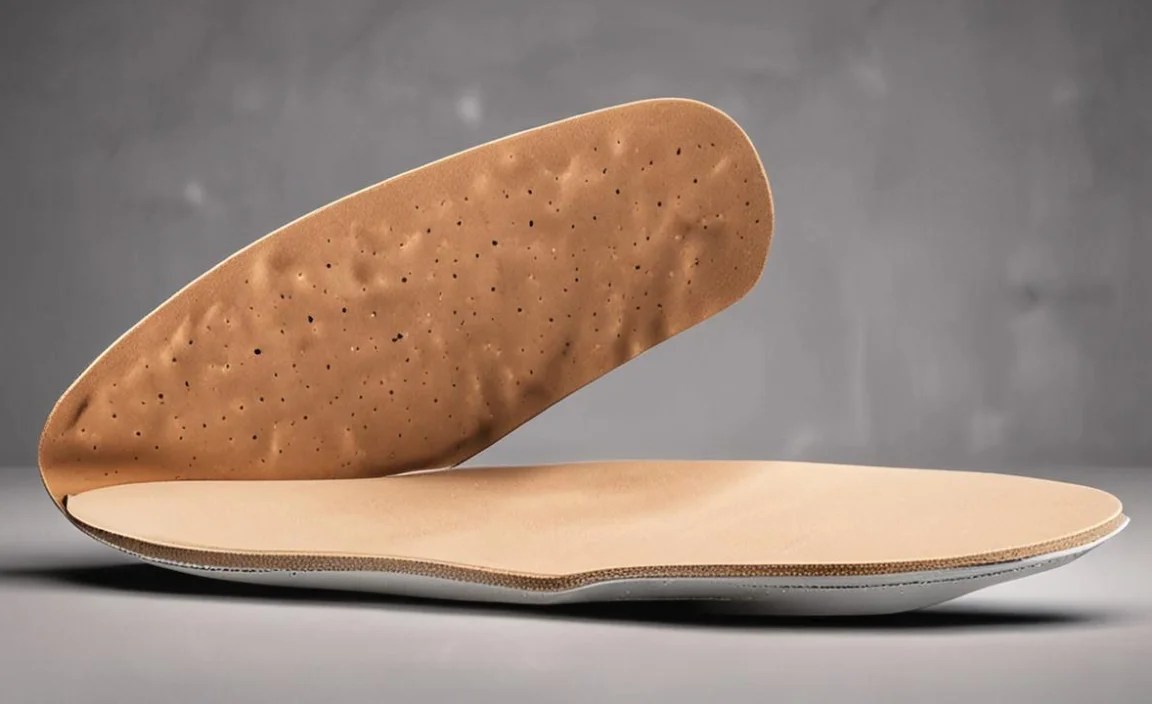
The absolute best way to gauge how an insole will affect your shoe fit is to try them together.
Bring Your Shoes: If you’re shopping for insoles in a store, bring the shoes you intend to use them with. This allows for an immediate and accurate assessment.
Wear with Appropriate Socks: Try the insoles in your shoes with the same type of socks you typically wear for that activity.
4. Consider the “Half-Size Up” Strategy (with Caution)
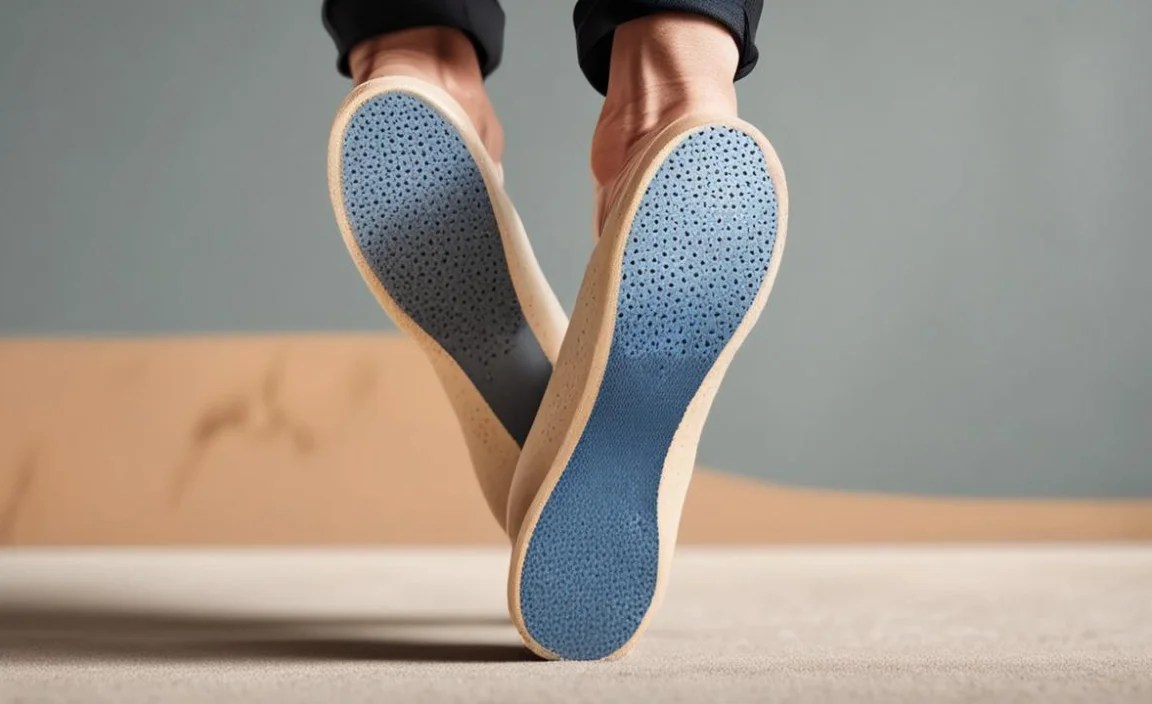
If you have shoes that are a tad too small or you know you need a thicker insole, sometimes a slight increase in shoe size is necessary. However, this isn’t always the perfect solution. A shoe that is too large can cause its own set of problems, such as heel slippage and tripping hazards.
Focus on Length and Width: If you go up half a size, ensure the length and width of the shoe remain appropriate for your foot. The goal is to accommodate the insole, not to create a floppy shoe.
5. Remove Existing Insoles
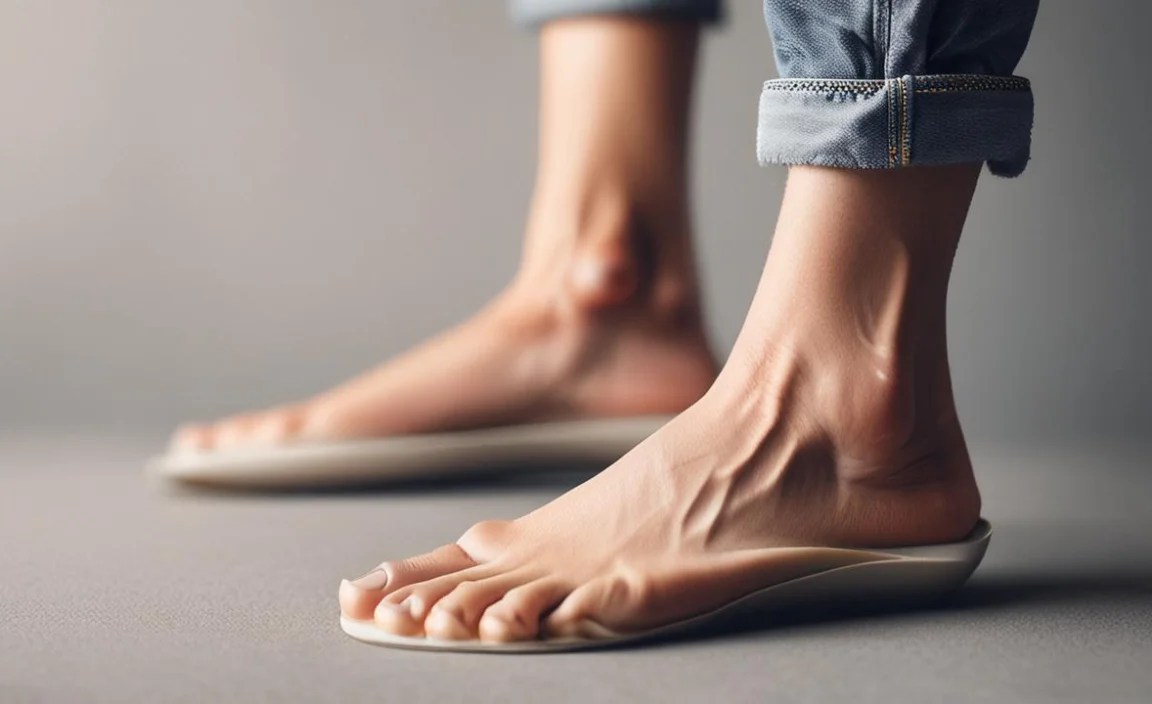
Most modern shoes come with removable insoles (the sockliner). Always remove the original insole before inserting a new one, especially if the new insole is designed for support or cushioning. Leaving the old one in will double the volume and almost certainly lead to an uncomfortably tight fit.
6. Test for Pressure Points and Rubbing
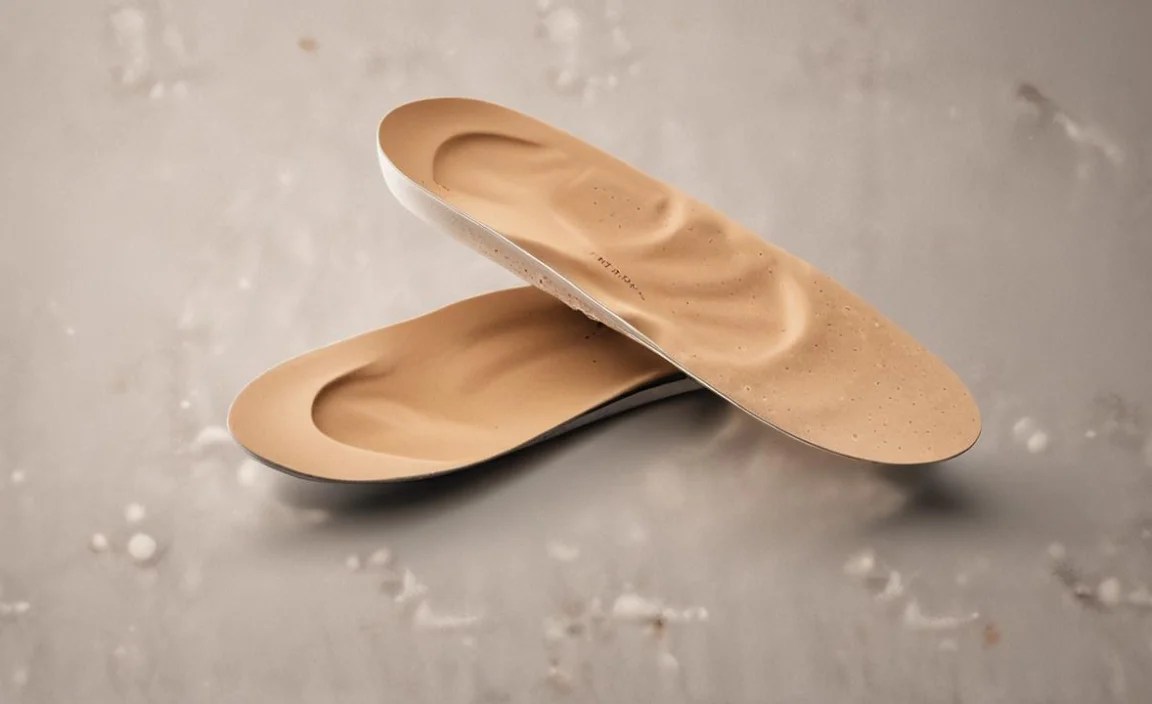
Once you’ve inserted your new insoles and put your shoes on:
Walk Around: Don’t just stand still. Walk on various surfaces (if possible) to simulate real-world use.
Pay Attention to Sensations: Are there any areas of pinching, rubbing, or excessive pressure? Is your foot sliding around?
Check the Toe Box: Ensure your toes aren’t being squeezed and that you have adequate wiggle room.
7. Adjust Lacing Techniques
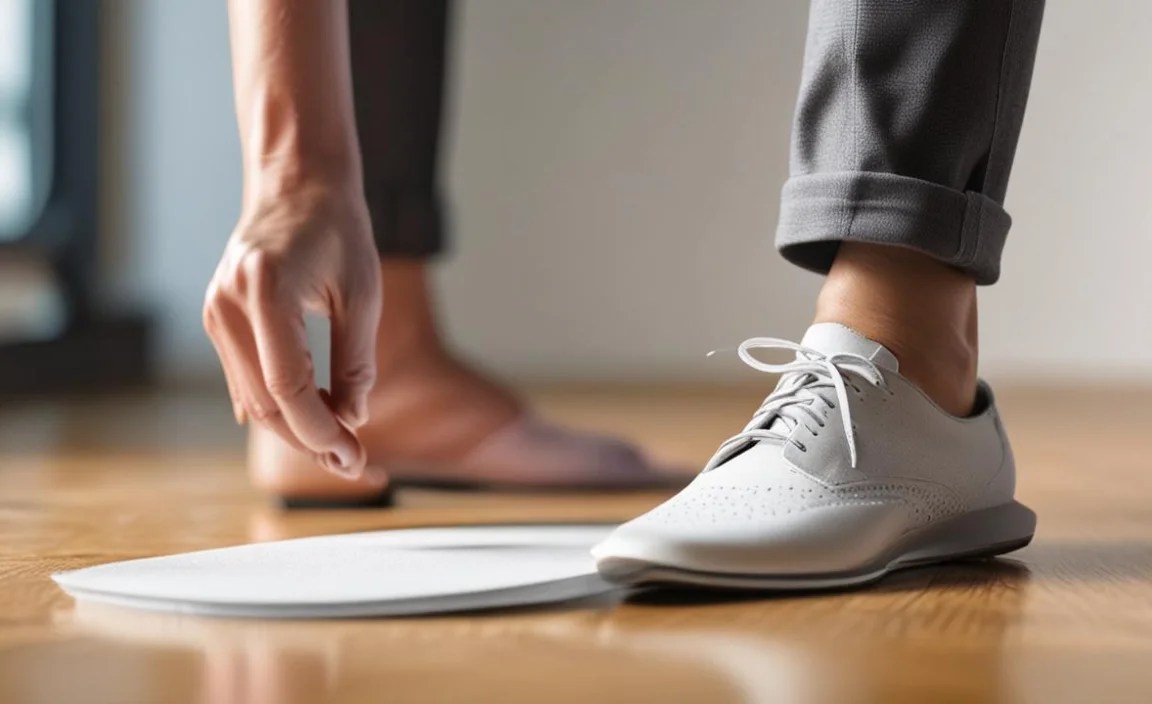
Sometimes, you can fine-tune the fit by adjusting how you lace your shoes.
Loosen Laces: If the insoles make the shoe feel tight across the top, try loosening the laces, especially over the midfoot.
Heel Lock Lacing: If you notice heel slippage, consider using a heel lock lacing technique. This involves using the extra eyelets near the ankle to create a more secure fit.
8. Be Realistic About Limitations
Not every shoe is a candidate for every type of insole.
Very Sleek Shoes: If you have very narrow, low-profile dress shoes or dance shoes, adding a substantial insole might simply not be feasible without altering the shoe’s intended performance or comfort.
Worn-Out Shoes: If your shoes are already significantly worn, adding insoles might just be a temporary fix. The shoe’s structure may be compromised, and the insoles won’t be able to compensate entirely.
By understanding how specific insoles affect shoe fit and implementing these practical tips, you can significantly improve your comfort, reduce foot fatigue, and even enhance the longevity of your favorite footwear. The goal is a harmonious integration where the insole elevates the shoe’s performance and your foot’s well-being.
