Absolute comfort is not a luxury, but a necessity, especially when your work demands you to be on your feet for extended periods, like during insoles for 24 hour shifts. The modern workforce often involves professions requiring round-the-clock dedication, from healthcare professionals and emergency responders to manufacturing workers and security personnel. For these dedicated individuals, foot fatigue, pain, and long-term damage are not just potential side effects but often a grim reality. The right pair of insoles can transform these grueling shifts from a test of endurance into a manageable, even comfortable, experience. Understanding what to look for and why certain features are crucial is key to unlocking that all-day support.
The human foot is a remarkable piece of engineering, designed to bear our weight and facilitate movement. However, it’s not built for the constant, unyielding pressure of 12, 18, or 24-hour standing and walking on hard surfaces. This prolonged stress can lead to a cascade of problems, including plantar fasciitis, Achilles tendonitis, heel spurs, general foot pain, knee and hip discomfort, and even lower back issues. The repetitive impact can also lead to micro-tears in muscle and connective tissues, which, over time, can result in chronic pain and reduced mobility. This is where specialized insoles for 24 hour shifts step in as a vital tool for preventing and alleviating these issues.
Understanding the Demands of Extended Wear

When selecting insoles for 24 hour shifts, it’s essential to consider the unique challenges presented by prolonged wear. Unlike casual use, these insoles must provide sustained support and cushioning throughout the entire day and night. This means prioritizing durability, breathability, and adaptive support. A flimsy insole that offers temporary relief will quickly prove inadequate, potentially exacerbating existing problems. Instead, look for materials that can withstand constant compression without losing their structural integrity. Breathability is another crucial factor; prolonged wear in a closed shoe can lead to a humid environment, fostering bacterial growth and discomfort. Materials that wick away moisture and allow for air circulation are therefore paramount.
Key Features of High-Performance Insoles

To achieve that sought-after absolute comfort during insoles for 24 hour shifts, several key features should be at the forefront of your selection process:
Superior Arch Support: The arch is the natural shock absorber of the foot. Over extended periods, the arch can fatigue and collapse, leading to strain. Insoles with dynamic arch support that conforms to the wearer’s foot shape can help maintain the foot’s natural biomechanics, distributing pressure more evenly and reducing fatigue. Different arch heights (low, medium, high) cater to individual foot types, ensuring a personalized fit.
Advanced Cushioning: Beyond basic padding, look for insoles that utilize advanced cushioning technologies. Materials like high-density EVA (ethylene-vinyl acetate), gel inserts, or specialized foam compounds can absorb impact shock effectively. This is especially important for professions that involve a lot of walking or standing on hard surfaces, as it minimizes the repetitive stress on the feet, ankles, and joints.
Heel Cup Stabilization: A well-defined heel cup is vital for cradling the heel bone and providing stability. This helps to control pronation (inward rolling of the foot) and supination (outward rolling), both of which can contribute to pain and injury. A stabilized heel also helps to better align the foot with the rest of the body, potentially reducing strain on knees and hips.
Moisture-Wicking and Odor Control: As mentioned, breathability is non-negotiable. Many high-quality insoles incorporate antimicrobial treatments and moisture-wicking fabrics in their top layers. This not only keeps feet dry and comfortable but also helps to prevent the development of odor-causing bacteria, a common issue during long shifts.
Durability and Resilience: Given the constant pressure, insoles need to be built to last. Look for insoles made from robust materials that resist flattening and deforming over time. Brands that offer warranties or specify their material’s lifespan can be good indicators of quality.
Selecting the Right Insoles for Your Needs
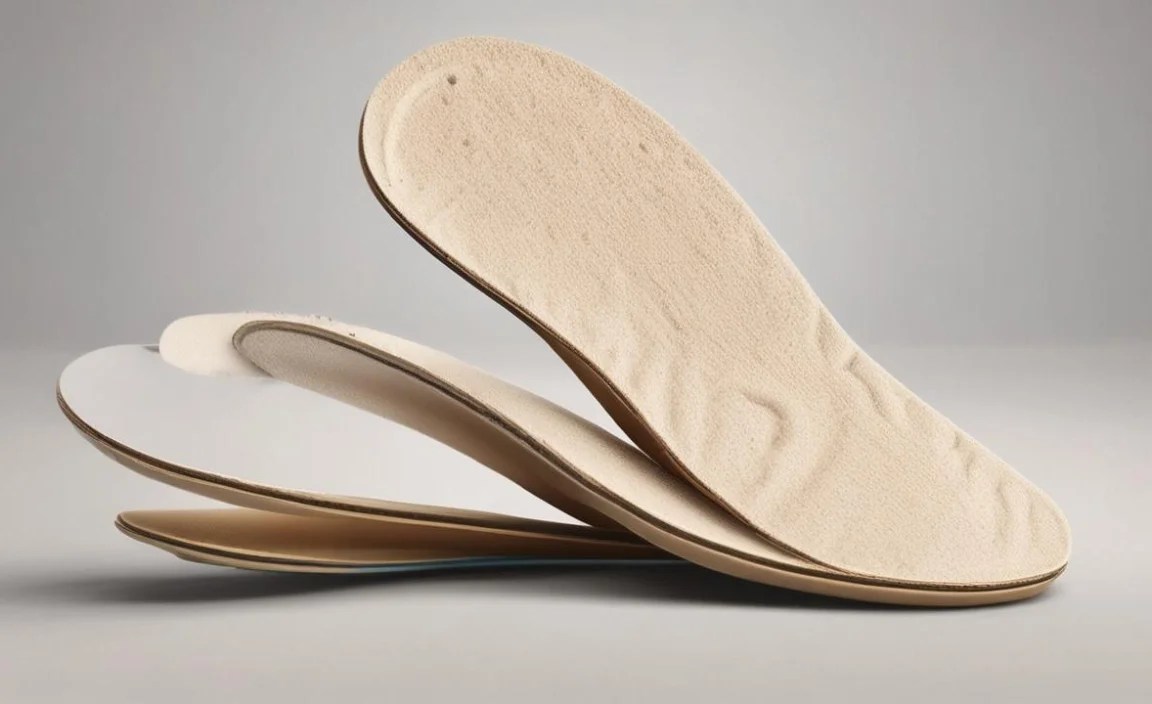
The “best” insoles are often subjective and depend on individual foot anatomy, the type of work performed, and the footwear used. However, for those seeking insoles for 24 hour shifts, a few categories often stand out:
Orthotic Insoles: These are designed to provide maximum support and alignment. They often have a more rigid structure to correct biomechanical issues and can be highly effective for individuals with existing foot conditions. Many are specifically engineered for extended wear in demanding environments.
Performance Cushioning Insoles: These prioritize shock absorption and comfort. They tend to be softer and offer a more plush feel, making them excellent for reducing impact stress. They provide a good balance of cushioning and support, suitable for a wide range of professions.
Custom-Molded Insoles: For the ultimate in personalized comfort and support, custom insoles are molded directly to your feet by a podiatrist or orthotist. While more expensive, they offer a precise fit and address specific biomechanical needs, proving invaluable for individuals facing chronic pain or complex foot issues during long hours.
Ultimately, investing in quality insoles for 24 hour shifts is an investment in your health, well-being, and productivity. They are not simply an accessory but an essential piece of gear for anyone facing the physical demands of extended work periods. By understanding the features that contribute to absolute comfort and choosing insoles that meet your specific needs, you can significantly improve your experience and protect your feet for the long haul. Don’t let foot pain dictate your workday; empower yourself with the right support.
