The terms “insole” and “orthotic” are often used interchangeably, leading to confusion when navigating the world of foot support and pain relief.
Understanding the insole vs orthotic difference is crucial for making informed decisions about your foot health and finding the right solution for your specific needs.
While both fit inside your shoe, their design, purpose, and clinical application are remarkably distinct, impacting everything from everyday comfort to the management of serious medical conditions. Let’s delve into what truly sets these two foot inserts apart.
What Exactly is an Insole?
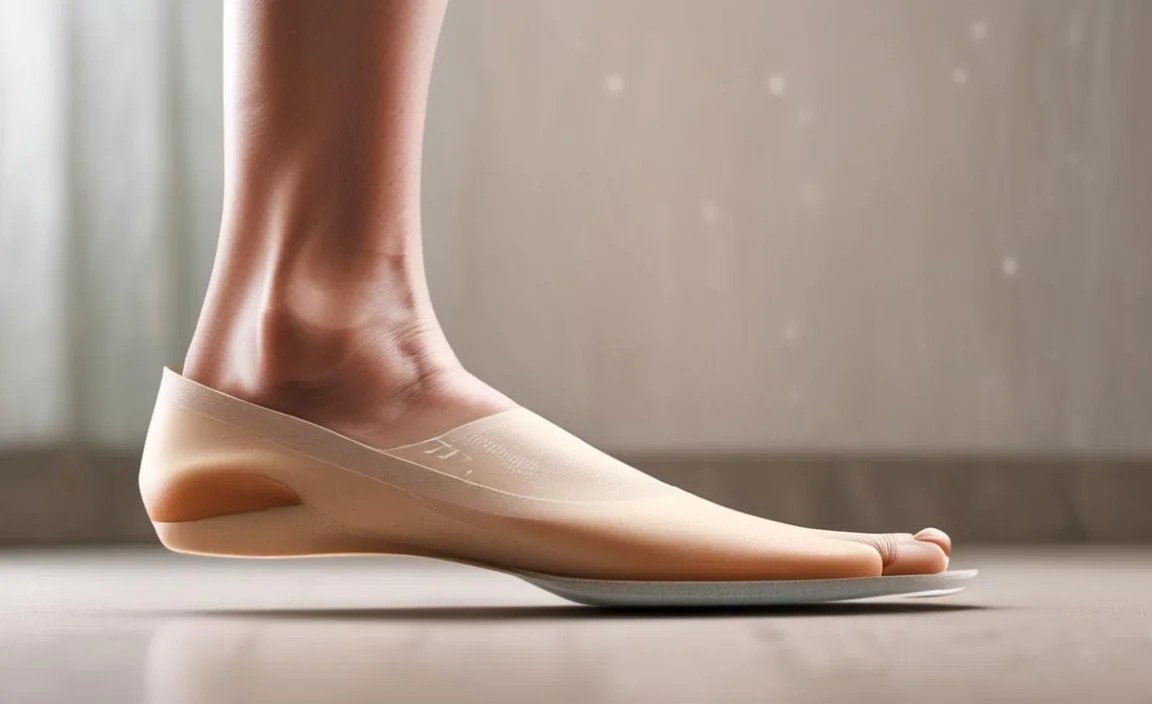
At its core, an insole is any type of insert designed to fit inside a shoe. Think of them as the basic cushioning or support layer that comes with your footwear, or aftermarket additions for enhanced comfort. The primary function of an insole is to provide a layer of comfort and shock absorption. They can:
Add cushioning: Many insoles, particularly those made of foam or gel, offer a plush feel, reducing pressure points and making prolonged standing or walking more comfortable.
Provide basic arch support: Some insoles offer a mild degree of arch support, which can be beneficial for individuals with slightly fallen arches or those seeking a little extra stability.
Absorb moisture: Certain insoles are designed with materials that wick away sweat, helping to keep your feet dry and reducing the risk of odor and fungal infections.
Fill empty space: In shoes that are slightly too large, insoles can help create a snugger fit.
Insoles are generally considered over-the-counter products, readily available in pharmacies, shoe stores, and online retailers. They are not typically prescribed by a medical professional and are usually designed for general comfort rather than to address specific biomechanical issues.
The Deeper Dive: Understanding Orthotics
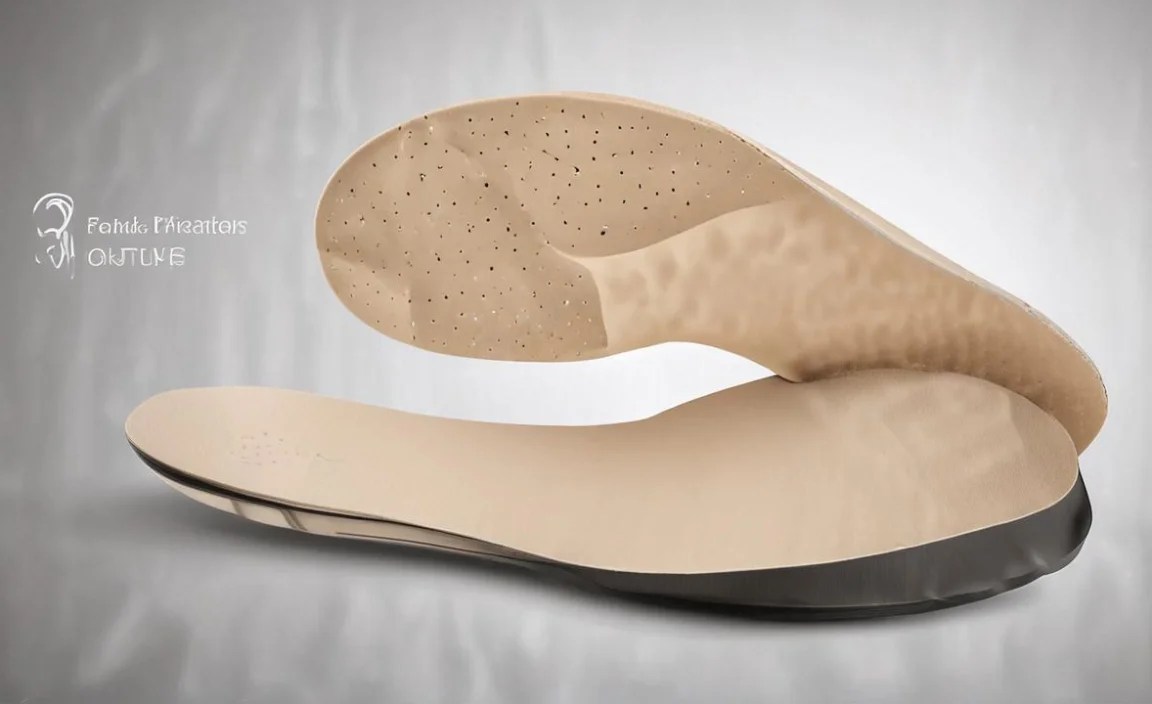
Orthotics, on the other hand, are far more sophisticated and purpose-driven. A key aspect of the insole vs orthotic difference lies in their prescriptive nature and therapeutic intent. Orthotics, often referred to as “orthoses” or “custom orthotics” when specifically made for an individual, are medical devices designed to correct, support, or improve the function of the foot and ankle.
This is where the distinction becomes critical. Orthotics are:
Prescribed and Designed for Specific Conditions: Unlike insoles, orthotics are typically recommended by healthcare professionals such as podiatrists, chiropractors, or physical therapists. They are designed to address specific biomechanical problems, such as:
Plantar fasciitis
Bunions
Achilles tendinitis
Overpronation or supination (inward or outward rolling of the foot)
Heel spurs
Foot deformities
Pain associated with conditions like arthritis or diabetes
Custom-Molded or Precisely Engineered: Many orthotics are custom-made. This involves taking a cast, 3D scan, or detailed measurements of the patient’s feet to create an insert that perfectly matches their unique foot structure, gait, and biomechanical needs. Even “off-the-shelf” orthotics are designed with more advanced biomechanical principles in mind than standard insoles.
Therapeutic in Nature: The purpose of an orthotic is not merely comfort but to actively influence the way your foot moves. They work by:
Controlling motion: Limiting excessive pronation or supination to promote a more neutral foot strike.
Improving alignment: Correcting abnormal foot alignment to reduce stress on joints and muscles.
Distributing pressure: Shifting pressure away from painful areas, such as the ball of the foot or the heel.
Supporting arches: Providing robust support to significantly elevate and stabilize the arch.
Often Made from More Durable and Resilient Materials: While some insoles are made from soft foams, orthotics frequently utilize more rigid and supportive materials like carbon fiber, rigid plastics, or firm foams, designed to withstand the repetitive forces experienced during walking and running.
The Crucial Insole vs Orthotic Difference Summarized

| Feature | Insole | Orthotic |
| :——————– | :———————————————- | :————————————————————————– |
| Purpose | Comfort, cushioning, basic support | Therapeutic intervention, biomechanical correction, pain management, function |
| Design | General purpose, mass-produced | Specific to individual needs, custom-designed or precisely engineered |
| Prescription | Over-the-counter | Typically prescribed by a healthcare professional |
| Materials | Soft foams, gels, basic padding | Rigid plastics, carbon fiber, advanced composites, firm supportive foams |
| Effectiveness | Enhances comfort | Treats specific foot conditions, improves gait, reduces pain |
| Cost | Generally lower | Generally higher, especially for custom-made |
| Medical Necessity | Not usually medically necessary | Often medically necessary for treating specific conditions |
When to Choose Which
If you experience occasional foot fatigue or mild discomfort during everyday activities, a good quality insole might be all you need to enhance comfort and provide a little extra cushioning. They are an excellent way to upgrade the feeling of your existing shoes.
However, if you suffer from chronic foot pain, have a diagnosed foot condition, experience pain that radiates up your leg, or notice significant abnormalities in your gait, it is highly recommended that you consult a foot healthcare professional. They can assess your biomechanics, diagnose the root cause of your discomfort, and determine if you would benefit from custom or semi-custom orthotics.
Ignoring persistent foot pain and relying solely on generic insoles can be counterproductive and may even exacerbate the underlying issue. Understanding the insole vs orthotic difference empowers you to seek the appropriate solution, ultimately leading to healthier, more comfortable, and more functional feet. Investing in the right support can make a remarkable difference in your quality of life, allowing you to move with greater ease and without pain.

