Insole stack height explained is a critical concept for anyone looking to optimize their footwear for comfort, performance, and injury prevention.
Far from being a mere aesthetic detail, the thickness of an insole, measured from its lowest point to its highest, plays a significant role in how your foot interacts with your shoe and the ground beneath it. Understanding this measurement can unlock a new level of personalized footwear experience, whether you’re a seasoned athlete, a healthcare professional, or simply someone seeking greater comfort throughout your day.
At its core, insole stack height refers to the vertical dimension of the insole itself. This isn’t about the total height of the shoe’s sole unit, but specifically the insert that sits inside the shoe, directly beneath your foot. Different types of insoles – from the basic, often flimsy ones that come pre-installed in many shoes, to specialized orthotics designed for specific biomechanical needs – will have varying stack heights. This variation is deliberate and serves different purposes.
The Impact of Insole Stack Height on Footwear

The stack height of an insole directly influences several key aspects of your footwear experience.
Cushioning and Shock Absorption: For many, the primary purpose of an insole is to provide cushioning. A thicker insole, or one with a higher stack height, is generally capable of absorbing more impact force. This is particularly important for activities that involve repetitive, high-impact movements, such as running, jumping, or even prolonged standing.
By dissipating these forces, a taller insole can help reduce stress on your feet, ankles, knees, and even hips, potentially preventing pain and long-term injuries. Conversely, insoles with lower stack heights (often found in minimalist shoes or performance-oriented footwear) offer less cushioning but provide a more direct feel of the ground, which can be beneficial for proprioception and agility.
Support and Stability: While cushioning is a major factor, insole stack height also contributes to the overall support and stability your shoe offers. A thicker insole can sometimes accommodate more robust arch support structures and heel cups. These features are integral to controlling foot motion, especially for individuals with pronation or supination issues.
A well-designed insole with an appropriate stack height can help guide the foot through a more neutral gait cycle, reducing excessive inward or outward rolling. However, it’s crucial to note that simply having a high stack height doesn’t automatically equate to better support. The density of the material and the specific design of the insole are equally important.
Fit and Volume: The stack height of an insole undoubtedly affects the internal volume and fit of your shoe. A thicker insole will occupy more space within the shoe, effectively reducing the internal volume. This can be a positive for individuals with wider feet or those who find standard shoes too roomy.
However, if you have very narrow feet or your shoes already fit snugly, adding a thick insole might make them too tight, leading to discomfort or even blisters. Conversely, a low-profile insole will leave more room, which can be ideal for those who need to accommodate compression socks or have high insteps.
Feel and Ground Connection: The “feel” of a shoe is subjective, but insole stack height plays a significant role. Higher stack heights tend to create a more cushioned and “plush” feel, effectively distancing your foot from the ground.
This can be desirable for comfort during long periods of wear or for absorbing the shock of hard surfaces. Lower stack heights, often found in shoes designed for a more natural foot strike or for sports requiring quick ground response (like court sports or sprinting), offer a more direct connection to the terrain. This enhanced ground feel can improve agility, balance, and proprioception, allowing you to react more quickly to changes in the surface.
Understanding Different Stack Heights for Various Needs
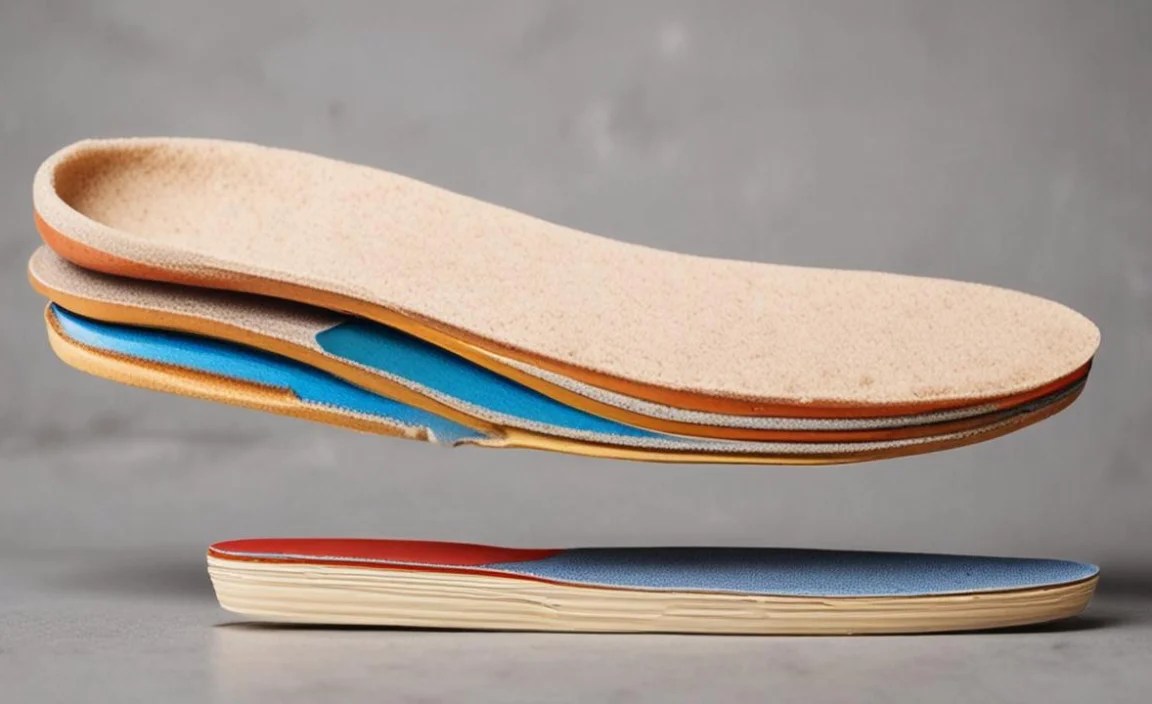
When we talk about “insole stack height explained,” it’s important to consider how different heights cater to diverse needs:
Low Stack Height (Under 5mm): These insoles are often found in minimalist running shoes, athletic cleats, or shoes where ground feel and agility are paramount. They offer minimal cushioning but maximize proprioception and allow for a more natural foot movement. They are also ideal for those who prefer a very snug fit or need to maintain the original volume of their shoes.
Medium Stack Height (5mm – 10mm): This is a common range for many everyday shoes, casual sneakers, and some performance running shoes. They strike a balance between cushioning and ground feel, providing a good level of comfort and shock absorption for a variety of activities without feeling overly soft or bulky.
* High Stack Height (Over 10mm): Insoles with a high stack height are designed for maximum cushioning and shock absorption. You’ll find these in maximalist running shoes, hiking boots, work boots, and specialized orthotics built for significant impact reduction. People suffering from conditions like plantar fasciitis or heel spurs, or those who spend long hours on their feet on hard surfaces, often benefit greatly from the extra padding.
Choosing the Right Insole Stack Height
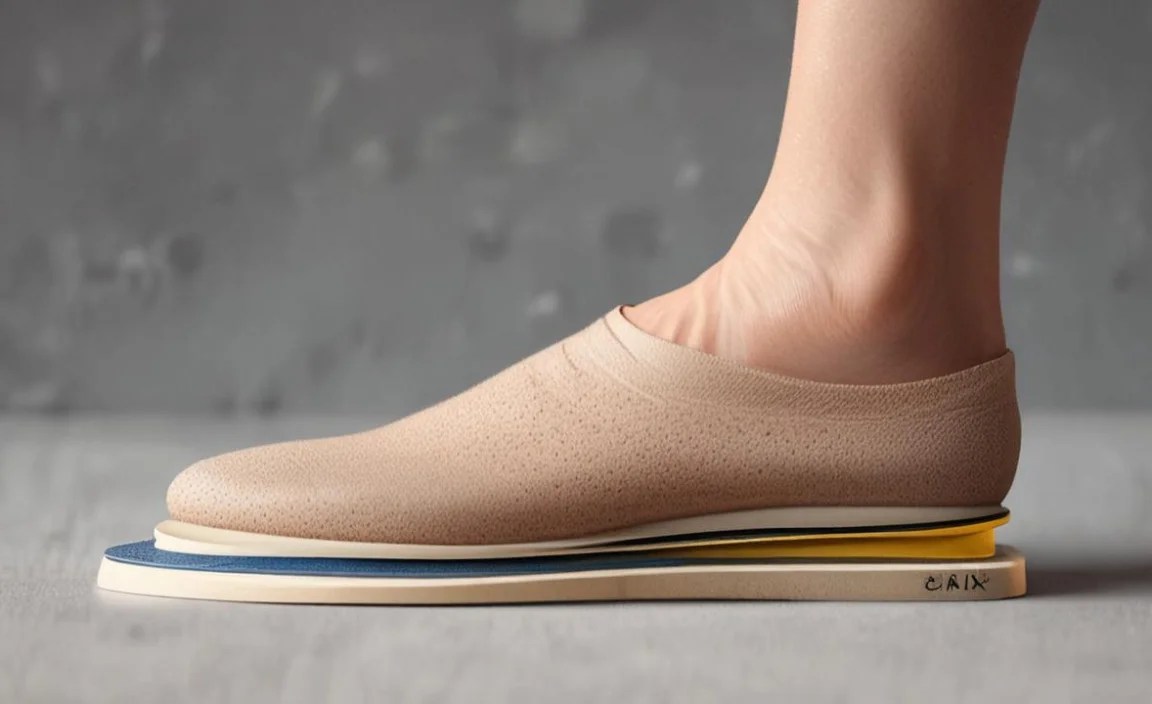
To effectively utilize the knowledge of insole stack height explained, consider these factors when making your choice:
1. Your Primary Activity: Are you a runner? A walker? Do you stand for long hours? Your activity will dictate the level of cushioning and support you need.
2. Your Foot Biomechanics: Do you overpronate, supinate, or have a neutral gait? Consulting a podiatrist or a footwear specialist can help determine if you benefit from added support, which might be integrated into an insole of a specific stack height.
3. Your Shoe Fit: Always consider how an insole will affect the fit of your existing shoes. If you’re a runner wearing a shoe that fits perfectly, adding a significantly thicker insole might make it too tight.
4. Material and Density: Don’t solely focus on thickness. The material (e.g., EVA foam, polyurethane, gel) and its density play a crucial role in cushioning and support. A thinner, denser insole might offer more support than a thick, soft one.
In conclusion, understanding insole stack height explained is a fundamental step towards making informed decisions about your footwear. It’s about recognizing that the seemingly simple insert within your shoe has a profound impact on your comfort, performance, and foot health.
By considering the stack height in relation to your specific needs and activities, you can personalize your shoes to provide the optimal blend of cushioning, support, and feel, ultimately leading to a more enjoyable and pain-free experience with every step.
}
@media screen and (max-width: 480px) {
}
;
}
