Insole maintenance guide is more than just a chore; it’s a crucial aspect of foot health, shoe longevity, and overall comfort.
Those seemingly simple inserts tucked away in your footwear play a vital role in cushioning your steps, supporting your arches, and absorbing shock.
Neglecting their care can lead to a host of problems, from uncomfortable shoe odors and reduced support to accelerated wear and tear on your favorite pairs. This comprehensive guide will equip you with the knowledge and practical steps to keep your insoles in top condition, ensuring your feet remain happy and healthy.
Understanding the Purpose of Insoles

Before diving into maintenance, it’s beneficial to understand what insoles actually do. They are designed to enhance the comfort and functionality of shoes. This can include:
Cushioning: Providing a layer of shock absorption to reduce impact on your feet, joints, and back.
Arch Support: Helping to align your foot and ankle by offering support to the natural arch, which can alleviate pain associated with conditions like plantar fasciitis.
Moisture Wicking: Many modern insoles are designed to draw moisture away from your feet, helping to prevent blisters and bacterial growth.
Odor Control: Some are infused with antimicrobial agents or charcoal to combat foot odor.
Pressure Distribution: Redistributing pressure points across the sole of your foot to prevent discomfort.
Given their important functions, it’s clear why taking care of them is essential.
Regular Cleaning: The Cornerstone of Insole Maintenance

The most fundamental aspect of insole maintenance guide revolves around regular cleaning. Sweat, dirt, and dead skin cells can accumulate on insoles, leading to unpleasant odors and potential skin irritations. The frequency of cleaning will depend on your activity level and the type of footwear. For athletic shoes worn daily, weekly cleaning might be necessary. For less intensely used shoes, a bi-weekly or monthly clean might suffice.
Basic Cleaning Steps:
1. Remove Insoles: Always start by carefully removing the insoles from your shoes. This allows for thorough cleaning of both the insoles and the inside of the shoe.
2. Brush Off Debris: Use a soft brush (an old toothbrush works well) to dislodge any loose dirt, grit, or debris from the surface of the insole.
3. Gentle Washing:
For most fabric or foam insoles: Mix a small amount of mild detergent (like dish soap or laundry detergent) with cool or lukewarm water. For leather insoles: Use a specialized leather cleaner and conditioner. Avoid harsh soaps.
4. Scrubbing: Dip a soft cloth or sponge into the soapy water and gently scrub the insoles. Pay attention to any particularly soiled areas.
5. Rinsing: Rinse the insoles thoroughly under cool running water until all soap residue is gone.
6. Drying: This is a crucial step. Never put insoles directly into a dryer or expose them to direct heat, as this can warp or damage them. Instead, gently blot them with a clean towel to remove excess moisture. Then, allow them to air dry completely in a well-ventilated area, away from direct sunlight or heat sources. Ensure they are completely dry before reinserting them into your shoes.
Dealing with Stubborn Odors
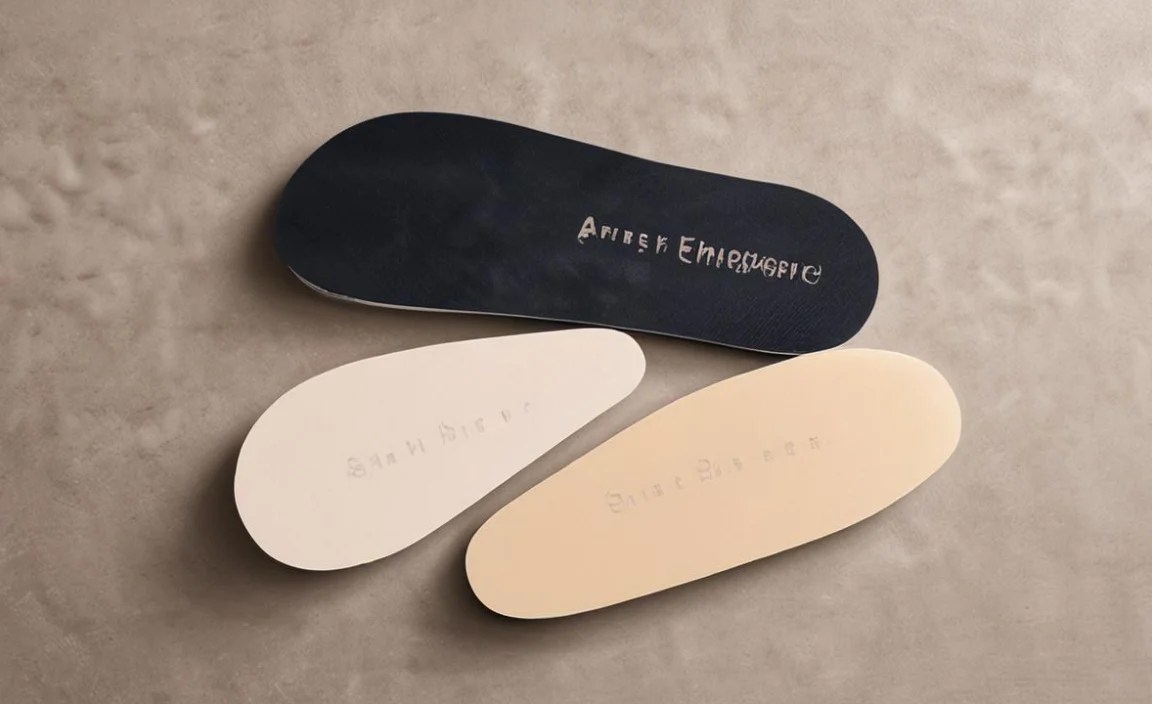
Foot odor can be a persistent problem, and insoles are often the primary culprits. Beyond regular cleaning, here are some targeted strategies for odor control:
Baking Soda: A natural deodorizer, baking soda is your best friend. Sprinkle a generous amount of baking soda onto dry insoles (or directly into your shoes after removing the insoles) and let it sit overnight. The baking soda will absorb odors. In the morning, shake out or vacuum the excess baking soda.
Vinegar Soak (with Caution): For very stubborn odors, a diluted vinegar solution can be effective. Mix equal parts white vinegar and water. Soak the insoles for about 30 minutes, then rinse thoroughly and air dry. Be cautious with repeated vinegar soaks as it can degrade certain materials over time.
Antimicrobial Sprays: Consider using specialized shoe deodorizing or antimicrobial sprays. These can help kill odor-causing bacteria. Follow the product instructions carefully.
Activated Charcoal Inserts: Some insoles come with activated charcoal layers, or you can purchase charcoal inserts separately. These are highly effective at absorbing odors.
Inspecting and Replacing Your Insoles
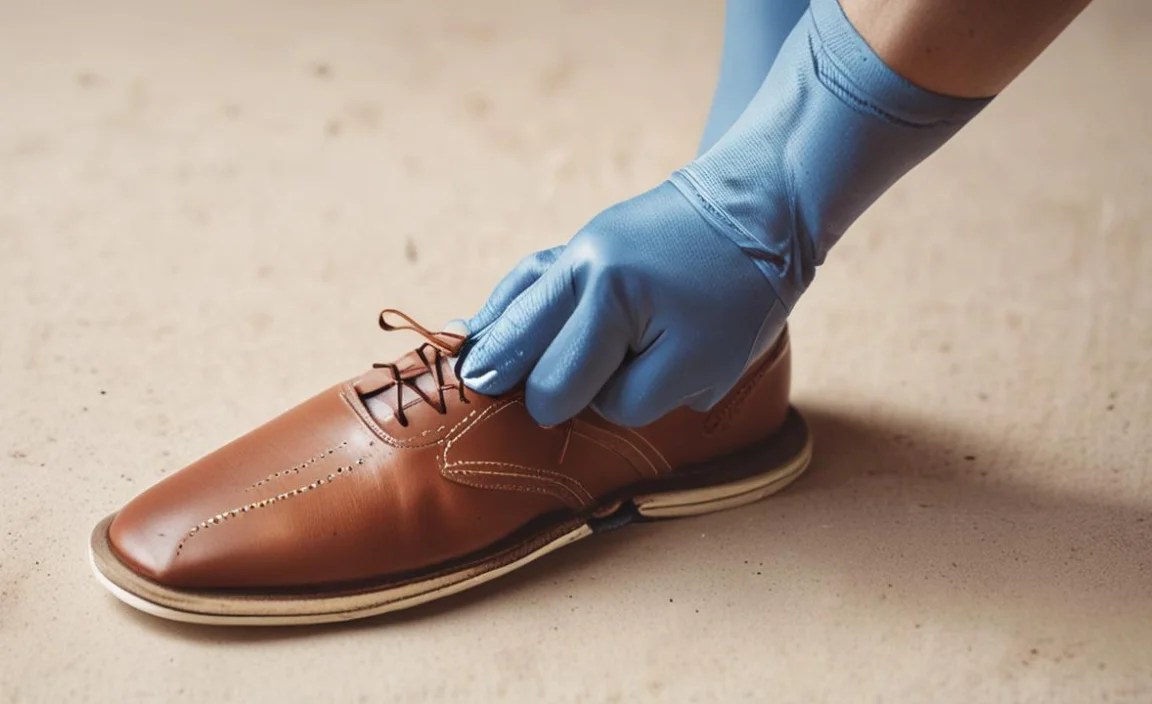
Even with diligent care, insoles have a lifespan. Regularly inspecting them is an essential part of your insole maintenance guide.
Signs Your Insoles Need Replacing:
Visible Wear and Tear: Look for thinning in the cushioning, tears, or holes.
Loss of Support: If your arch support feels diminished or your feet feel more fatigued, it’s a sign the insole has lost its structural integrity.
Persistent Odors: If even with cleaning and deodorizing efforts, the odor remains strong, the materials may be saturated.
Cracking or Flattening: The foam or cushioning material might start to crack or become permanently flattened.
Pain or Discomfort: If you start experiencing new foot pain, it could be that your insoles are no longer providing adequate support.
Generally, most insoles last between six months to a year, depending on the quality, material, and how frequently they are used. Replacing worn-out insoles is a simple yet impactful way to protect your feet and prolong the life of your shoes.
Special Considerations for Different Insole Types
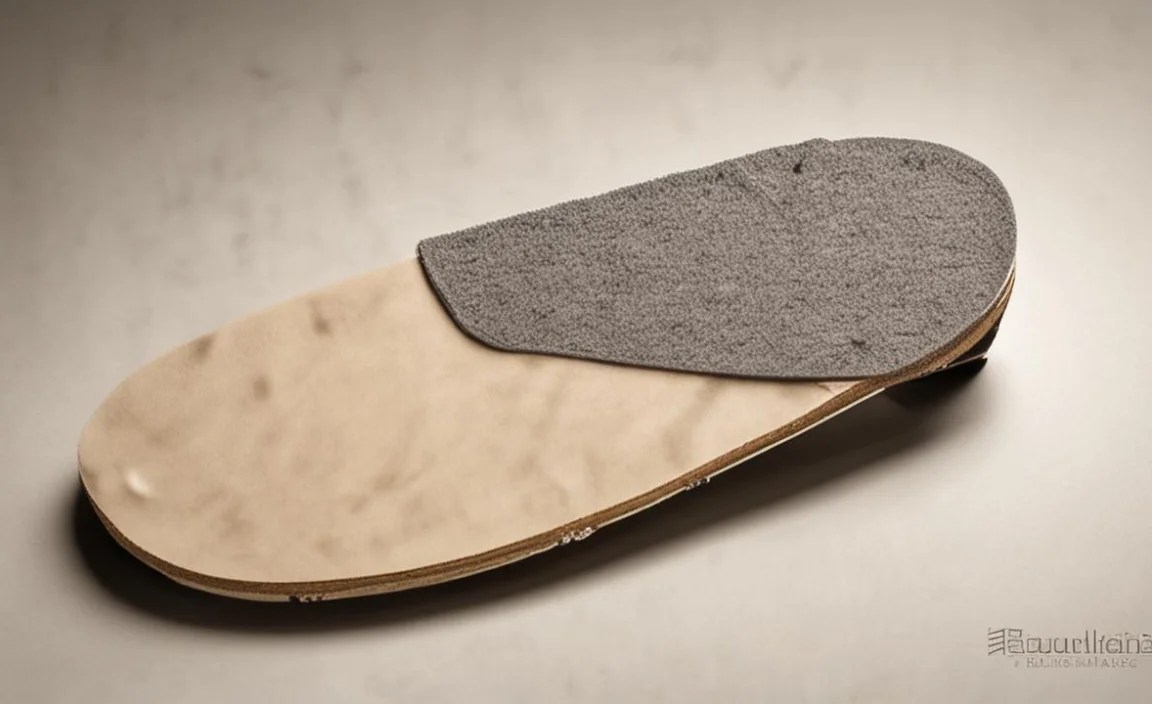
While the general principles of insole maintenance guide apply broadly, some specific types of insoles may require slightly different care:
Gel or Silicone Insoles: These are usually waterproof and can be cleaned with mild soap and water. Be careful not to puncture or tear them.
Memory Foam Insoles: While offering excellent cushioning, memory foam can be more sensitive to heat. Avoid excessive scrubbing and always air dry completely. Excessive moisture can also degrade the foam.
Orthotic Insoles: If you have custom-made orthotics prescribed by a podiatrist, follow their specific cleaning and maintenance instructions meticulously. These are often more delicate and crucial for managing specific foot conditions.
Wool or Natural Fiber Insoles: These can often be hand-washed with cool water and wool-specific detergent. Avoid machine washing or harsh chemicals.
By incorporating these simple yet effective practices into your routine, you can significantly extend the life of your insoles, improve the comfort and hygiene of your footwear, and contribute to better foot health. A little attention goes a long way in keeping your feet happy, stride after stride.
}
@media screen and (max-width: 480px) {
}
;
}
