Insole lifespan how long? This is a question many people ask, especially after investing in specialized insoles to alleviate foot pain, improve athletic performance, or simply enhance daily comfort. The answer, however, isn’t a simple one-size-fits-all figure.
Several factors influence how long your insoles will effectively serve their purpose, from the materials they’re made from to how frequently and intensely they’re used. Understanding these variables is key to maximizing their benefit and knowing when it’s time for a replacement.
The Science Behind Insole Wear and Tear

Insoles, regardless of their type (e.g., cushioning, support, performance), are subjected to significant stress every time you take a step. The constant compression and decompression, combined with friction from your foot and shoe, leads to a gradual breakdown of the insole’s materials. This breakdown manifests as several signs of wear:
Loss of Cushioning: The shock-absorbing properties of the insole diminish. What once felt plush and supportive can become hard and unforgiving, leading to increased impact on your joints.
Flattening of Arch Support: If your insoles are designed to provide arch support, this crucial feature will degrade over time. The arch contour will flatten, reducing its ability to guide your foot and provide stability.
Cracking and Fraying: Especially in less durable materials, you might notice visible signs of cracking, tearing, or fraying, particularly around the edges and in high-friction areas.
Odor Buildup: While not directly related to structural integrity, persistent odor can be a sign that the insole material is no longer effectively wicking away moisture and resisting bacteria, which can also indicate it’s nearing the end of its usable life.
Factors Influencing Insole Lifespan How Long?

So, precisely insole lifespan how long can you expect them to last? The answer is highly variable. Here are the primary determinants:
Material Type: This is arguably the most significant factor.
Foam Insoles (e.g., EVA, PU): These are common and offer good cushioning. Standard foam insoles might last anywhere from 3 to 12 months with regular use. Higher-density or more resilient foams tend to last longer.
Gel Insoles: Gel offers excellent shock absorption and can retain its cushioning properties for a considerable time. Many gel insoles can last 6 to 12 months or even longer before showing signs of wear.
Cork Insoles: Cork is a natural, durable material that molds to your foot over time, offering personalized support. Cork insoles can often last 1 to 2 years or more, provided they are cared for properly.
Carbon Fiber Insoles: These are typically designed for high-performance athletes and are built for extreme durability. They are rigid and provide excellent support and energy return, often lasting 1 to 3 years with intensive use.
Combination Insoles: Many insoles use a combination of materials for optimal performance. The lifespan will depend on which materials are used and their quality.
Frequency and Intensity of Use:
Daily Wearers: If you wear your insoles every day, they will naturally wear out faster than someone who uses them only occasionally.
Athletes: Individuals engaged in high-impact sports (running, basketball, etc.) will put significantly more stress on their insoles, leading to a shorter lifespan compared to those who use them for walking or light activities.
Weight: Heavier individuals exert more pressure on their insoles, which can accelerate wear and tear.
Type of Footwear:
Shoes with Good Structure: Insoles placed in well-constructed shoes with ample toe box room and a secure heel counter tend to last longer.
Minimalist or Loose Shoes: Insoles in less supportive or ill-fitting shoes might move around more, leading to increased friction and premature wear.
Care and Maintenance:
Cleaning: Regularly cleaning your insoles according to the manufacturer’s instructions is crucial. Sticking them in the washing machine might seem convenient, but it can damage the materials. Gentle hand washing with mild soap and water, followed by air drying, is usually best.
Drying: Never dry insoles in direct heat (like a dryer or radiator) as this can cause them to warp, shrink, or become brittle. Always air dry them thoroughly to prevent odor and mold growth.
Rotation: If possible, having multiple pairs of insoles and rotating them can extend the life of each pair by allowing them to recover from compression.
Knowing When to Replace Your Insoles
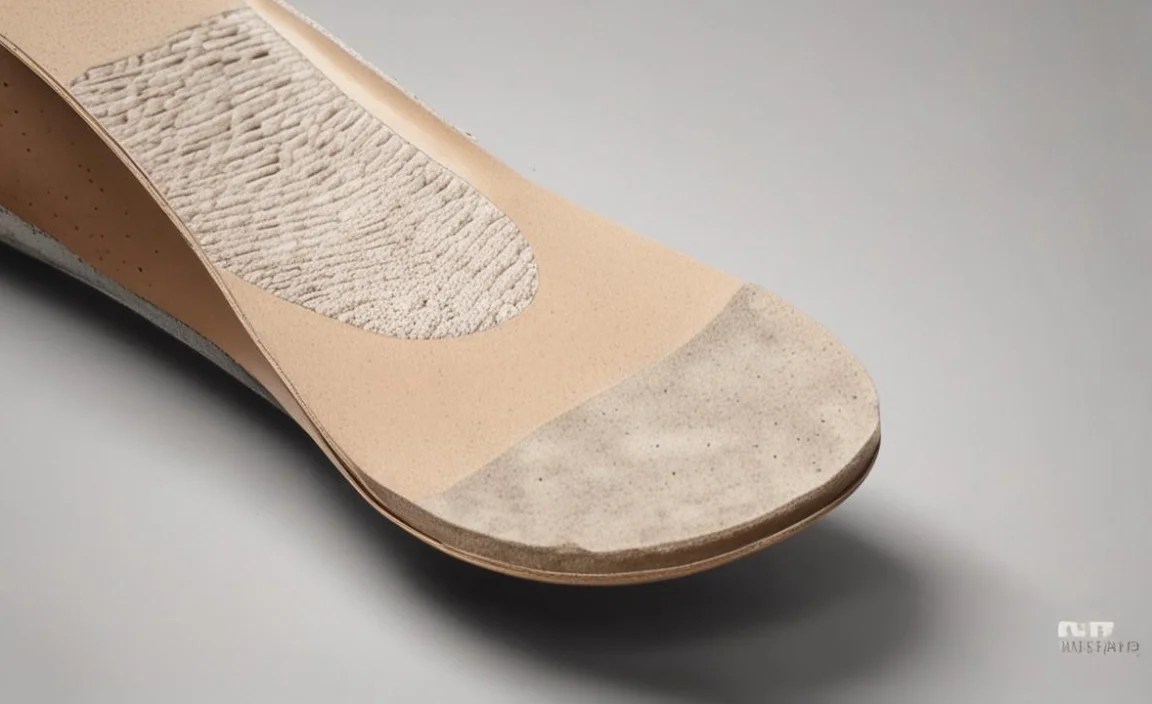
So, when is it definitively time to bid farewell to your faithful foot companions?
Visible Wear: Cracks, tears, significant flattening, or fraying are clear indicators.
Loss of Comfort: If your feet start to ache more, or the cushioning feels significantly reduced, the insole is likely no longer providing adequate support or shock absorption.
Persistent Odor: Even after cleaning, a persistent unpleasant smell can signal that the insole material is breaking down and harboring bacteria.
Pain Recurrence: If you initially got insoles to relieve pain and that pain starts returning, your insoles have likely lost their effectiveness.
Maximizing Your Insole Lifespan How Long?
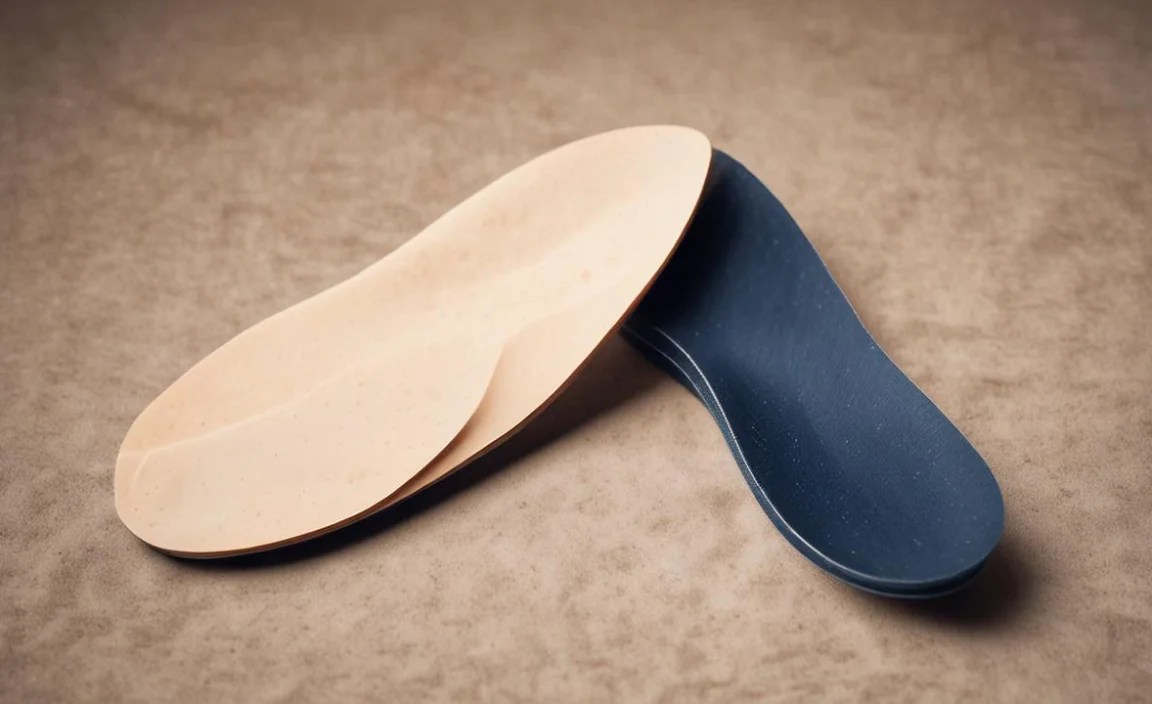
To help answer the question of insole lifespan how long can you get out of them, here are some tips for preservation:
1. Follow Manufacturer Guidelines: Always check and adhere to the care instructions provided by the insole manufacturer.
2. Clean Regularly: Brush off dirt and debris. For deeper cleaning, hand wash with mild soap and lukewarm water.
3. Air Dry Thoroughly: After cleaning or getting them wet, allow insoles to air dry completely away from direct heat.
4. Avoid Machine Washing/Drying: Unless explicitly stated, these processes can be detrimental.
5. Rotate if Possible: If you have multiple pairs, switch them out to give each pair a rest.
6. Store Properly: When not in use, store them in a cool, dry place.
7. Regular Inspection: Make a habit of inspecting your insoles for signs of wear and tear.
Ultimately, the insole lifespan how long it lasts is a combination of quality, usage, and care. By being mindful of these factors and performing regular maintenance, you can ensure that your insoles continue to provide the support, comfort, and pain relief you rely on for as long as possible. Don’t hesitate to replace them when their effectiveness wanes – your feet will thank you.
}
@media screen and (max-width: 480px) {
}
;
}

