Have you ever felt a painful blister on your foot? It’s not fun, right? Blisters often pop up when we wear new shoes or walk for too long. They can make even the simplest activities uncomfortable. But don’t worry! Knowing how to treat blisters on feet can make a big difference.
Imagine this: You’re excited to go on a hike. But halfway up the trail, you feel that familiar burning sensation. Oh no! A blister! What do you do now? It’s easy to feel worried, but with the right steps, you can treat that blister and keep going.
In this article, we will learn about treating blisters on feet safely and effectively. You will discover simple tricks to speed up healing and prevent more blisters. Let’s dive in and get ready to keep your feet happy!
How To Treat Blisters On Feet: Effective Care Tips


How to Treat Blisters on Feet


Blisters on your feet can be painful, but treating them is simple. First, keep the blister clean and covered to avoid infection. Natural remedies like aloe vera can soothe the skin. Did you know that wearing the right shoes can prevent blisters? Try socks made of moisture-wicking fabric for added comfort. Always let a blister heal naturally, and avoid popping it. These steps help you get back on your feet quickly!
Understanding Blisters
Definition and types of blisters. Common causes of blisters on feet.
Blisters are those pesky little bubbles that pop up on your skin. They can be filled with fluid and are often caused by friction. There are two main types: friction blisters and blood blisters. Friction blisters happen with rubbing shoes, while blood blisters form when small blood vessels break. Common causes on your feet include wearing new shoes or standing for too long. You might think, “Why me?” Well, just know you’re not alone; most of us have been there!
| Type of Blister | Cause |
|---|---|
| Friction Blisters | Rubbing from shoes or activities |
| Blood Blisters | Broken blood vessels under the skin |
Prevention Methods
Proper footwear choices. Use of blister prevention products.
Choosing the right shoes is like picking a comfy cloud for your feet. Tight shoes? No thanks! They can cause blisters faster than you can say “ouch!” Look for shoes that fit well and give your feet a bit of room.
Using blister prevention products is another smart move. Think of them as your feet’s superhero sidekick. Whether it’s blister pads or special socks, these products can save your feet from pain and help keep blisters away.
| Footwear Choices | Prevention Products |
|---|---|
| Properly fitting shoes | Blister pads |
| Breathable materials | Specialized socks |
| Avoiding high heels | Foot powders |
Initial Response to Blisters
When to leave a blister intact. How to safely drain a blister.
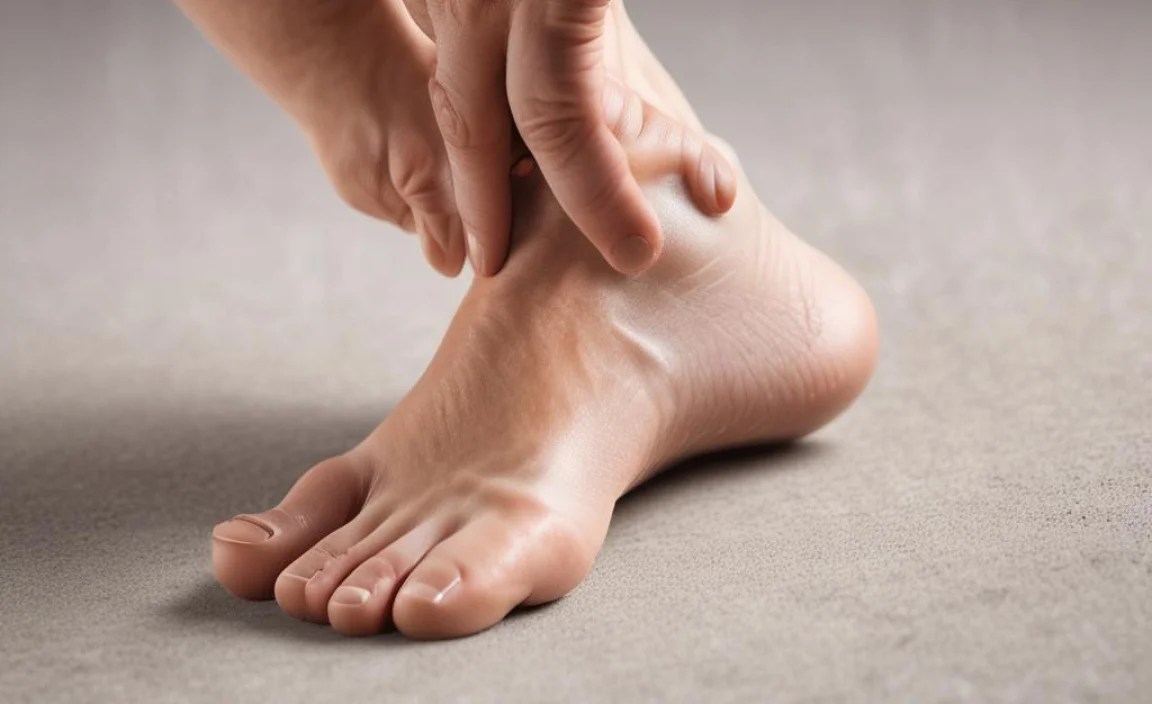
Blisters are like little water balloons on your feet, and sometimes it’s best to leave them be! If the blister is small and not hurting, keep it intact. This protects it from dirt and germs. However, if it’s big and painful, you might need to drain it safely. First, wash your hands and the area. Use a clean needle to poke a small hole at the edge, letting the fluid out. Don’t remove the skin on top; it’s your body’s natural bandage!
| When to Leave Blister Intact | How to Safely Drain a Blister |
|---|---|
| Small and painless | Poke a small hole with a clean needle |
| Healing naturally best | Let fluid out but keep the skin on |
Remember, blisters can be annoying, but with a little patience, your feet will be back to dancing in no time!
Treatment Options
Home remedies for blister healing. Overthecounter treatments and dressings.
There are many ways to treat blisters on your feet at home. Common remedies include:
- Cold Compress: Use a cold cloth to reduce swelling.
- Aloe Vera: This soothing gel helps heal the blister and cools the skin.
- Honey: It’s sticky but works well to prevent infection.
You can also find over-the-counter options. Bandages specifically made for blisters are available. They protect the area and speed up healing. Some treatments contain special ingredients to reduce pain and irritation. Remember to keep the blister clean!
What is the best treatment for blisters?
The best treatment for blisters includes keeping them clean, applying a protective dressing, and using soothing ointments.
When to Seek Medical Attention
Signs of infection to watch for. Conditions requiring professional care.
Watch for signs that mean you may need a doctor. If a blister is red and swollen, or if it feels warm, you might have an infection. Other signs include fluid draining from the blister or increasing pain. Seek help if:
- You have a fever.
- The blister doesn’t heal.
- It gets bigger or spreads.
Your health is important! Getting help early can prevent bigger problems later.
What should I do if my blister is painful?
If your blister hurts a lot, stop using your feet. Rest and keep it clean to help it heal.
Aftercare Tips
Keeping the area clean and dry. Recommended followup care.
Taking care of blisters helps them heal faster. It is important to keep the area clean and dry. Wash gently with soap and water. Pat it dry with a clean towel. Avoid popping the blister; let it heal naturally. Use a bandage if needed.
- Change the bandage daily.
- Apply antiseptic to prevent infection.
- Wear loose shoes to avoid rubbing.
Follow these tips for the best healing results!
How long do blisters take to heal?
Most blisters heal in about 7 to 10 days. Keep caring for them, and they will be gone before you know it!
Lifestyle Adjustments
Exercise modifications during recovery. Tips for avoiding future blisters.
Making small changes in your activities can help heal blisters faster. For exercise, consider low-impact activities. Walking or swimming is gentler on your feet. Avoid running or jumping until you’re better.
- Wear shoes that fit well.
- Use moisture-wicking socks.
- Keep your feet dry.
- Stretch before exercising.
These tricks can keep blisters from coming back. Remember, taking care of your feet helps you stay active and happy!
How can I exercise with blisters?
Choose activities like cycling or stretching until your feet heal. These are easier on your toes and heels.
Conclusion
In summary, treating blisters on your feet is simple. Clean the area gently, cover it with a sterile bandage, and let it heal. Avoid popping the blister, as this can cause infection. You can prevent future blisters by wearing well-fitting shoes and moisture-wicking socks. For more tips on foot care, check out reputable health websites or ask a doctor!
FAQs
What Are The Best Home Remedies For Treating Foot Blisters?
To treat foot blisters at home, start by cleaning the area gently with soap and water. You can cover it with a clean bandage to keep it safe. If the blister pops, put some antibacterial ointment on it to prevent infection. You can also soak your foot in cool water with salt to help it heal. Resting your foot is important too, so it can recover faster.
How Can I Prevent Blisters From Forming On My Feet During Long Walks Or Hikes?
To prevent blisters on your feet during long walks or hikes, start with comfortable shoes. Make sure they fit well and don’t rub against your skin. Wear thick socks that help cushion your feet. You can also put adhesive bandages on areas that usually blister. Lastly, take breaks and check your feet often!
When Should I Seek Medical Attention For A Blister On My Foot?
You should see a doctor if your blister is very painful or gets bigger. If it turns red or looks infected, that’s a sign too. Also, if you have a fever or can’t walk well, you need help. It’s best to get checked if you’re unsure.
What Types Of Footwear Are Recommended To Minimize The Risk Of Developing Blisters?
To avoid blisters, you should wear shoes that fit well and are the right size. Choose shoes made from soft and breathable materials. It’s also good to wear moisture-wicking socks. They help keep your feet dry. Remember to break in new shoes slowly!
Are There Specific Steps To Follow For Properly Draining A Blister Safely?
Yes, there are steps to safely drain a blister. First, wash your hands and the blister area with soap and water. Next, use a clean needle to gently poke the edge of the blister. Let the fluid drain out, but don’t remove the skin on top. Cover the blister with a bandage to keep it safe. Remember to wash your hands again when you’re done!
