Experiencing heel slippage fix with insoles is a common frustration for many shoe wearers. That annoying sensation of your heel lifting out of your shoe with every step can not only be incredibly uncomfortable but can also lead to blisters, reduced stability, and even long-term foot pain.
Fortunately, the solution is often surprisingly simple and readily available: the humble insole. Far from just providing basic cushioning, well-chosen insoles can work wonders in securing your heel and transforming your walking experience. This article will delve into why heel slippage occurs, how insoles effectively address this issue, and guide you through choosing the right insoles to achieve that effortless, locked-in feel.
Understanding the Root Cause of Heel Slippage

Before we explore the solution, it’s helpful to understand why your heels might be doing a disappearing act in your shoes. Several factors can contribute to this common footwear woe:
Shoe Design and Fit: Perhaps the most straightforward reason is that your shoes are simply not the right fit. This can manifest in several ways:
Width: A shoe that’s too wide in the heel cup will allow your foot to move up and down, leading to slippage.
Depth of Heel Counter: The heel counter is the rigid part of the shoe that cups your heel. If it’s too shallow, it won’t provide enough support.
Shape Mismatch: Even if the shoe length is correct, the specific shape of the heel cup might not align well with the shape of your heel.
Foot Anatomy: Individual foot shapes play a significant role. Some people naturally have narrower heels or a lower Achilles tendon attachment, making them more prone to slippage in standard footwear.
Wear and Tear: Over time, shoes can lose their original structure. The materials in the heel lining can compress or wear down, reducing their ability to grip your heel. Laces can also loosen, contributing to overall instability.
Sock Choice: Thin or smooth socks can offer less friction, making it easier for your heel to slide. Conversely, very thick socks might force your foot into a shoe that’s already a snug fit, creating pressure points and encouraging movement.
How Insoles Provide a Versatile Heel Slippage Fix

Insoles, also known as inserts or orthotics, are designed to be placed inside your shoes to modify their fit and provide targeted support. When it comes to tackling heel slippage, insoles offer a multi-pronged approach:
Adding Volume and Creating a Snugger Fit: This is the most fundamental way insoles help. By adding a layer to the bottom of your shoe, insoles effectively reduce the internal volume of the footwear. This can make a slightly too-large shoe feel much more secure around the entire foot, including the heel. The added material fills the excess space, preventing your heel from lifting.
Improving Heel Cup Contouring: Many specialized insoles are designed with a deeper or more contoured heel cup. These advanced designs aim to cradle your heel more effectively, providing a more anatomical fit that hugs your Achilles tendon and the back of your heel, thereby minimizing movement.
Enhancing Grip and Friction: The materials from which insoles are made can also play a role. Certain materials, particularly those with a rubberized or textured bottom surface, can increase the friction between your heel and the insole itself, as well as between the insole and the shoe’s interior. This added grip acts as a deterrent to slippage.
Addressing Arch and Pronation Issues: For some individuals, heel slippage might be exacerbated by underlying biomechanical issues such as overpronation (inward rolling of the foot) or flat feet. Many insoles offer arch support and control pronation. By stabilizing the foot and promoting a more even distribution of weight, these insoles indirectly reduce the forces that can lead to heel lift.
Types of Insoles for Your Heel Slippage Fix

The market offers a dizzying array of insoles, but for the specific task of fixing heel slippage, certain types stand out:
Cushioning Insoles: These are your most common type. Made from materials like foam or gel, they primary add comfort and volume. They’re a good starting point for minor slippage issues caused by slightly loose shoes.
Orthotic Insoles (Supportive Insoles): These go beyond basic cushioning and are designed to provide structural support. They often feature a more rigid construction with built-in arch support and a structured heel cup. If your slippage is related to foot mechanics or you need more robust support, these are an excellent choice.
Heel Grips/Cups: These are not full insoles but specialized pieces that adhere to the back of the shoe’s heel collar. They are specifically designed to provide extra padding and friction right where the heel normally lifts, offering a targeted heel slippage fix with insoles. They are a great, cost-effective solution for shoes with worn-out heel lining or those that are just a touch too big at the heel.
Full-Length Shoe Inserts with Heel Support: Many brands offer insoles that provide full-foot coverage but have a pronounced heel cup or additional padding in the heel area. These offer a comprehensive solution, combining cushioning, support, and targeted heel stability.
Choosing the Right Insole for an Effortless Solution
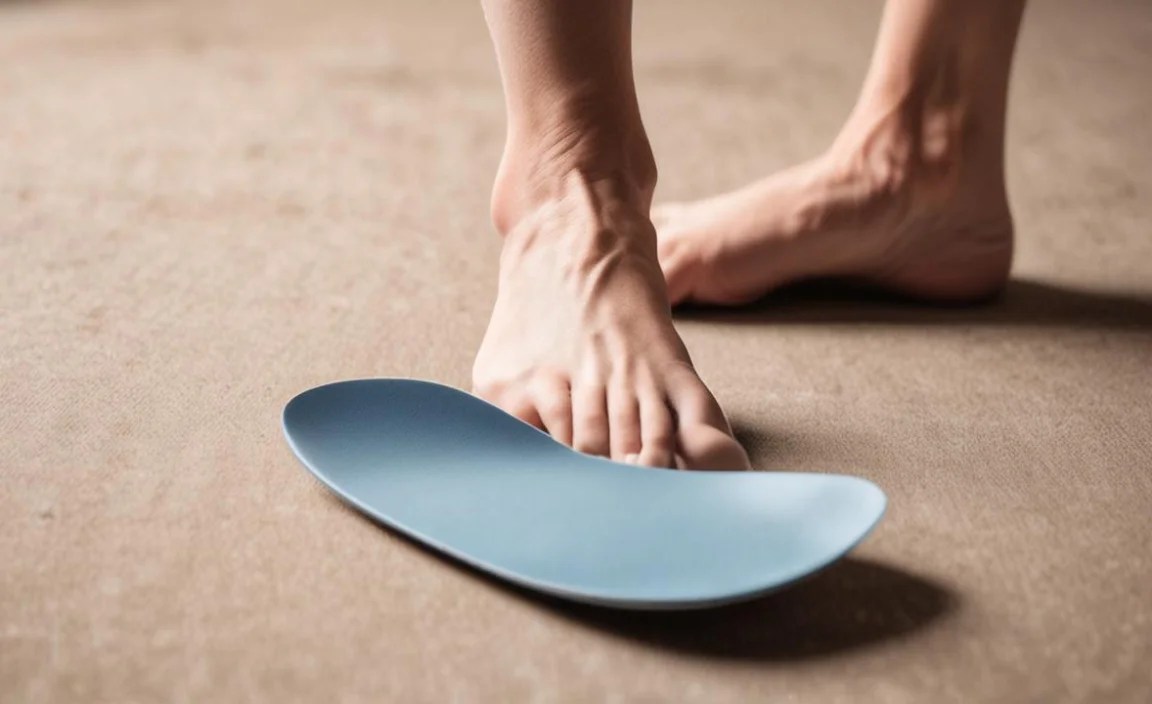
To get the most out of your insoles and achieve that effortless heel slippage fix, consider these factors:
1. Assess Your Shoe Fit: Are your shoes generally the right size, or are they noticeably too large? If they fit well otherwise, a smaller cushioning insole or a discreet heel grip might suffice. If the shoe is significantly too big all around, a fuller supportive insole will be more effective.
2. Consider Your Activity Level: If you’re an athlete or spend a lot of time on your feet, you’ll likely benefit from more supportive, performance-oriented insoles. For casual wear, comfort-focused options are usually adequate.
3. Identify Any Foot Issues: Do you have flat feet, high arches, plantar fasciitis, or overpronation? If so, opt for orthotic insoles that address these specific needs alongside heel slippage.
4. Material Matters: Consider breathability (especially for athletic shoes) and durability. Silicone and gel insoles often offer good cushioning and grip, while foam offers a good balance of comfort and support.
5. Try Before You Buy (if possible): If you can, try different types of insoles in your shoes to see which feels most secure and comfortable.
By understanding the causes of heel slippage and exploring the diverse benefits of insoles, you can unlock a simple yet highly effective solution. Investing in the right pair of insoles can transform uncomfortable shoes into a joy to wear, banishing that irritating heel lift and allowing you to walk with confidence and ease.
