When it comes to achieving ultimate foot comfort, many people focus on the type of shoes they wear or the socks they choose.
However, a often overlooked yet incredibly effective solution lies in the combination of heel liners with insoles. This dynamic duo works in tandem to provide unparalleled support, cushioning, and a customized fit, transforming even the most challenging footwear into a haven for your feet. Whether you’re a seasoned athlete, a professional on your feet all day, or simply someone who values pedestrian well-being, understanding how these accessories can elevate your comfort is key.
The primary function of heel liners is to address specific issues related to the heel area. Often made from soft, gel, or silicone materials, they adhere to the inside back of your shoes, creating a snugger fit and preventing heel slippage.
Heel slippage is a common problem that can lead to blisters, discomfort, and can even affect your gait, potentially causing pain in other parts of your body, like your ankles or knees. By filling the empty space at the back of the shoe, heel liners ensure that your foot is securely held in place with every step.
The Synergistic Power of Heel Liners with Insoles

While heel liners offer targeted protection for the heel, their true potential is unlocked when paired with insoles. Insoles, also known as footbeds or orthotics, are designed to provide overall support to the arch and ball of the foot, improve shock absorption, and redistribute pressure. When you introduce heel liners with insoles, you’re essentially creating a multi-layered system of foot support.
Imagine this: Your insoles provide a foundation of comfort and support for your entire foot. They cushion impact, align your foot biomechanically, and reduce fatigue. Now, add the heel liners. These liners enhance the fit created by the insoles, preventing your heel from lifting and sliding within the shoe.
This secure fit means the benefits of the insole are maximized. Instead of your foot shifting around and negating some of the insole’s support, the heel liners ensure your foot remains perfectly positioned, allowing the insole to do its job with optimal effectiveness. This synergy is what leads to the “best comfort” – a feeling of stability, reduced friction, and consistent cushioning that lasts throughout the day.
Addressing Specific Foot Concerns with Heel Liners with Insoles

The combination of heel liners and insoles is particularly beneficial for individuals experiencing specific foot ailments. For those prone to blisters on their heels, the reduction in friction caused by heel liners is a game-changer. Coupled with the protective cushioning of insoles, the likelihood of developing painful sores is significantly reduced.
People who suffer from plantar fasciitis often find relief through supportive insoles that cradle the arch and cushion the heel strike. When combined with heel liners, the increased stability and reduced heel movement can further alleviate the strain on the plantar fascia ligament. This can make standing and walking for extended periods much more bearable.
Furthermore, individuals with slightly oversized shoes or shoes that tend to gap at the heel can greatly benefit. Instead of discarding perfectly good footwear, a simple addition of heel liners and the right insoles can rescue them, providing a customized fit that’s both comfortable and functional. This is a cost-effective way to improve the wearability of your existing shoe collection.
Choosing the Right Combination for Your Needs
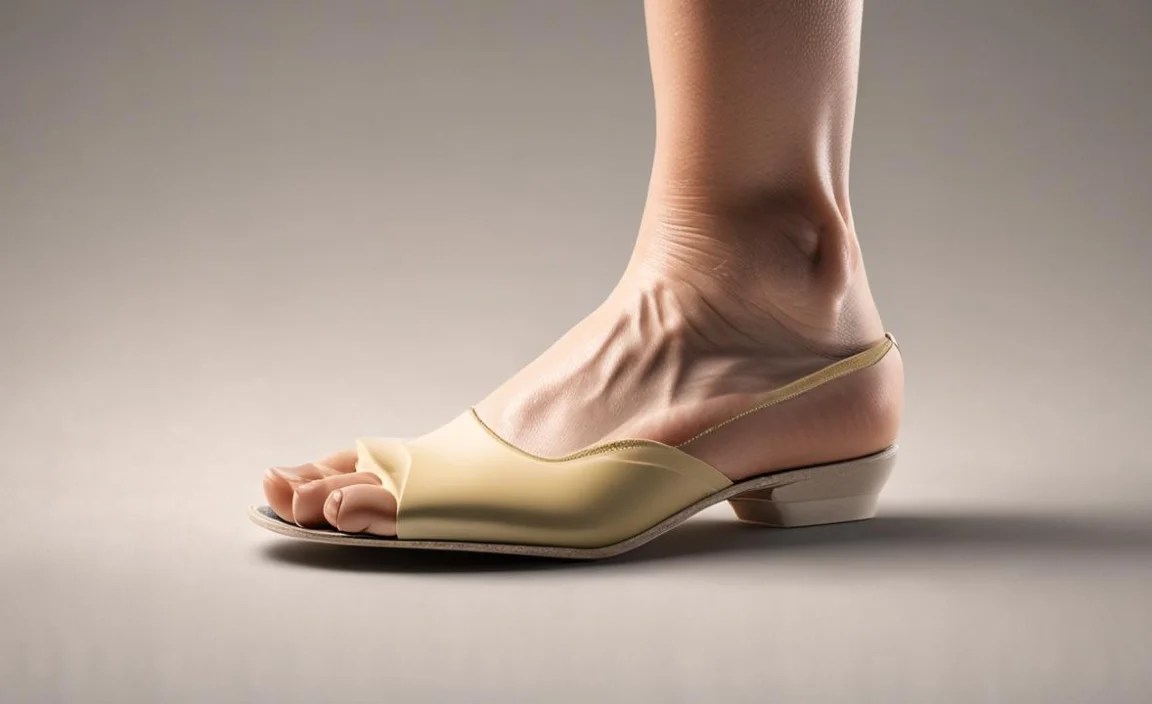
Selecting the best heel liners with insoles depends on your individual needs and the type of shoes you wear.
For Insoles:
Cushioning Insoles: Ideal for everyday wear and those seeking maximum shock absorption. They often feature memory foam or gel materials.
Arch Support Insoles: Crucial for individuals with flat feet or high arches. They help to properly align the foot and distribute pressure evenly.
Activity-Specific Insoles: Designed for sports like running, hiking, or work boots. They offer tailored support and durability for specific activities.
Custom Orthotics: Prescribed by a podiatrist for more severe foot conditions, offering personalized support and correction.
For Heel Liners:
Gel Heel Liners: Provide excellent cushioning and shock absorption for the heel.
Silicone Heel Liners: Offer a slightly firmer grip and can be very durable.
* Padded Heel Liners: Made from softer materials like foam or fabric, providing a more gentle sense of snugness.
When combining them, ensure the insoles fit comfortably within your shoe first. Then, experiment with different heel liners to find the level of grip and cushioning that feels best. Sometimes, a thicker insole might negate the need for a very thick heel liner, and vice-versa.
The goal is a snug, secure fit without making the shoe feel too tight or causing pressure points. Trying them on together, if possible, is the most effective way to find your perfect match.
The Long-Term Benefits of Investing in Foot Comfort

Investing in a good pair of heel liners with insoles is an investment in your overall well-being. Healthy, comfortable feet are essential for an active lifestyle, allowing you to move freely and without pain.
By taking proactive steps to enhance the comfort and support of your footwear, you can prevent future foot problems, reduce fatigue, and improve your quality of life. Don’t underestimate the power of these seemingly small accessories; they can make a world of difference in how your feet feel, especially after a long day.
}
@media screen and (max-width: 480px) {
}
;
}
