Many individuals struggle with foot discomfort, ranging from minor irritation to debilitating pain, often stemming from ill-fitting shoes or specific biomechanical issues.
Heel grip with insoles combo offers a remarkably effective solution, addressing a common yet often overlooked source of discomfort: the heel.
This synergistic approach combines the targeted support of heel grips with the broader cushioning and alignment of insoles, creating a dynamic duo for unparalleled comfort and improved foot health. Understanding how these two components work together is key to achieving the “best fit” and experiencing the transformative impact on your daily life.
Understanding the Role of Each Component

Before delving into the synergy, it’s crucial to appreciate the individual strengths of heel grips and insoles. Heel grips, often crafted from soft silicone or gel, are designed to adhere to the inside of the shoe, specifically at the heel counter.
Their primary function is to prevent the heel from slipping, a common problem that can lead to blisters, chafing, and inefficient gait. By providing a snugger fit, heel grips also subtly adjust the way your foot sits within the shoe, influencing ankle stability and reducing strain.
Insoles, on the other hand, are designed to be placed beneath the entire foot, offering a more comprehensive range of benefits. They can provide arch support, cradle the heel, cushion impact, and help correct pronation or supination. From minimalist gel inserts to custom orthotics, insoles cater to a wide spectrum of needs, aiming to distribute pressure more evenly, absorb shock, and promote better foot alignment from heel to toe.
The Power of the Heel Grip with Insoles Combo

When these two elements are combined, their individual benefits are amplified, creating a powerful solution known as the heel grip with insoles combo. This isn’t simply a case of adding two products; it’s about creating an optimized environment for your feet.
1. Enhanced Heel Stability and Reduced Slippage: The most immediate benefit of the combo is the dramatic reduction in heel slippage. The heel grip ensures your heel stays firmly in place, preventing the “lifting and falling” motion that often occurs with loose-fitting shoes. This stability is then further reinforced by the insoles, which might offer a contoured heel cup or additional cushioning that further cradles and supports the heel bone. This dual action minimizes friction and prevents the painful rubbing that can lead to blisters and calluses.
2. Improved Gait Efficiency and Reduced Strain: When your heel is secure and properly supported, your entire gait pattern improves. Your foot lands more stably, your ankle is less likely to roll or wobble, and your stride becomes more natural and efficient. This translates to less wasted energy and reduced strain on your feet, ankles, knees, and even your hips and lower back. The heel grip ensures the initial point of contact is stable, while the insole works to distribute the impact forces effectively throughout the foot’s natural rolling motion.
3. Customized Fit and Comfort: Many shoes, even expensive ones, don’t perfectly conform to the unique shape of every foot. The heel grip with insoles combo allows you to customize the fit of almost any shoe. For instance, if a shoe is slightly too large in the heel or the shaft is too wide, a heel grip can create a snugger feel. When paired with an insole that provides the right amount of arch support or cushioning for your specific foot type, you can transform an uncomfortable shoe into a perfectly fitting one. This is particularly beneficial for individuals with narrow heels or those who find certain shoe styles inherently problematic.
4. Targeted Pain Relief: For those experiencing heel pain, such as plantar fasciitis or Achilles tendonitis, the combo can be incredibly effective. The heel grip provides immediate stability to the heel bone, reducing micro-movements that exacerbate inflammation. The insole, especially one with a built-in heel spur relief or superior cushioning, absorbs shock and redistributes pressure away from the painful areas. This two-pronged approach offers substantial relief, allowing for more comfortable movement.
Selecting the Right Heel Grip with Insoles Combo
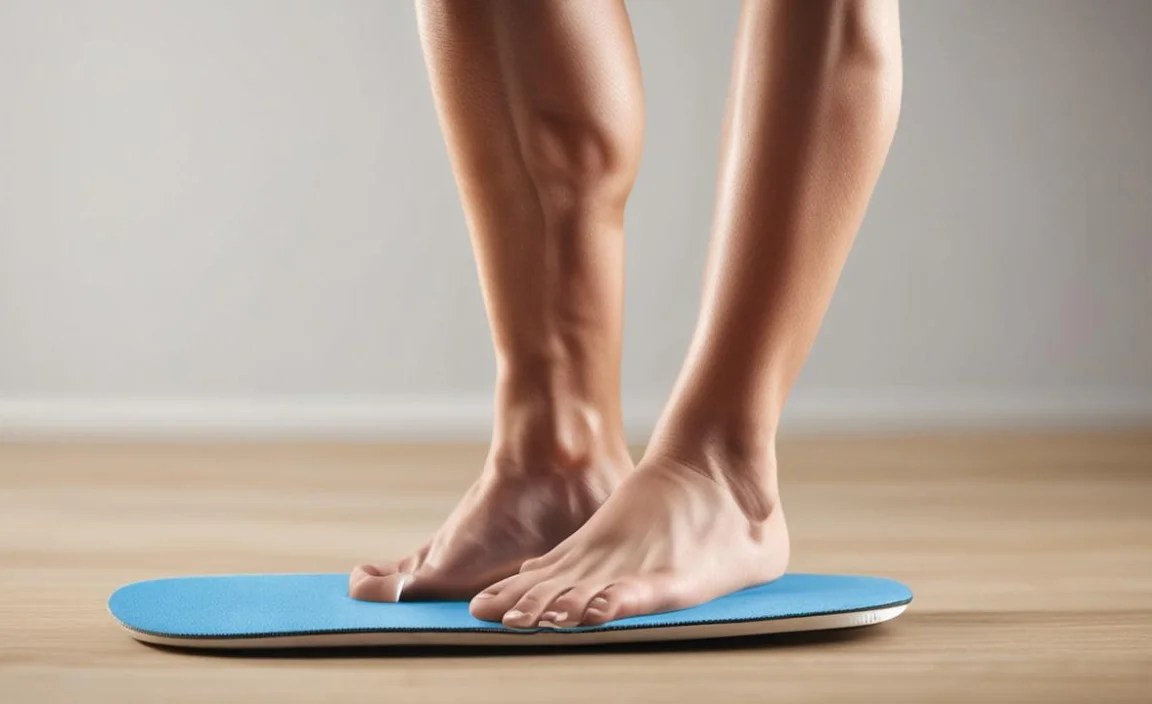
Choosing the ideal heel grip with insoles combo involves considering your specific needs and the shoes you intend to use them with.
Material Matters: Heel grips come in various materials. Silicone and gel offer excellent cushioning and grip. Gel variants are often preferred for their shock-absorbing qualities. Insoles vary widely, from basic foam cushioning to advanced orthotic designs with arch support, heel cups, and metatarsal pads.
Shoe Type: The type of shoe plays a role. For dress shoes, thinner, discreet heel grips and low-profile insoles are ideal. For athletic shoes or boots, thicker, more supportive options can be beneficial.
Your Foot’s Needs: Do you have high arches, flat feet, or a tendency for your heel to roll inwards or outwards? Choose insoles that address these specific biomechanical concerns. If your primary issue is heel slippage in an otherwise well-fitting shoe, focus on a good heel grip and a cushioning insole.
Trial and Error: Finding the perfect combo may involve some trial and error. It’s often best to purchase heel grips and insoles separately initially to understand which components work best for your feet and shoes. Many sporting goods stores and shoe retailers offer a selection of both.
Embracing a Pain-Free Future
Investing in a well-chosen heel grip with insoles combo is an investment in your overall comfort and well-being. By addressing the often-overlooked nuances of heel fit and support, you can unlock a new level of comfort in your footwear, allowing you to stand, walk, and move with greater ease and confidence. Say goodbye to blisters, heel pain, and the constant adjustments of ill-fitting shoes, and embrace a future where your feet feel supported, cushioned, and perfectly fitted, every step of the way.
