Heel cups vs insoles: Best Choice? Navigating the world of foot pain relief can feel like a trek through a minefield. Two of the most common solutions you’ll encounter are heel cups and insoles. While both aim to alleviate discomfort in the heel and surrounding areas, they operate with distinct mechanics and offer different benefits. Understanding these differences is crucial to making an informed decision about which might be the best choice for your specific needs.
At a glance, the distinction can seem simple: heel cups are designed to cradle and cushion the heel bone, while insoles provide broader support across the entire foot. However, the nuances of their construction, application, and the types of conditions they address are far more complex. This article will delve into the specifics of heel cups vs insoles, helping you determine which option is best suited to your foot health journey.
Understanding Heel Cups
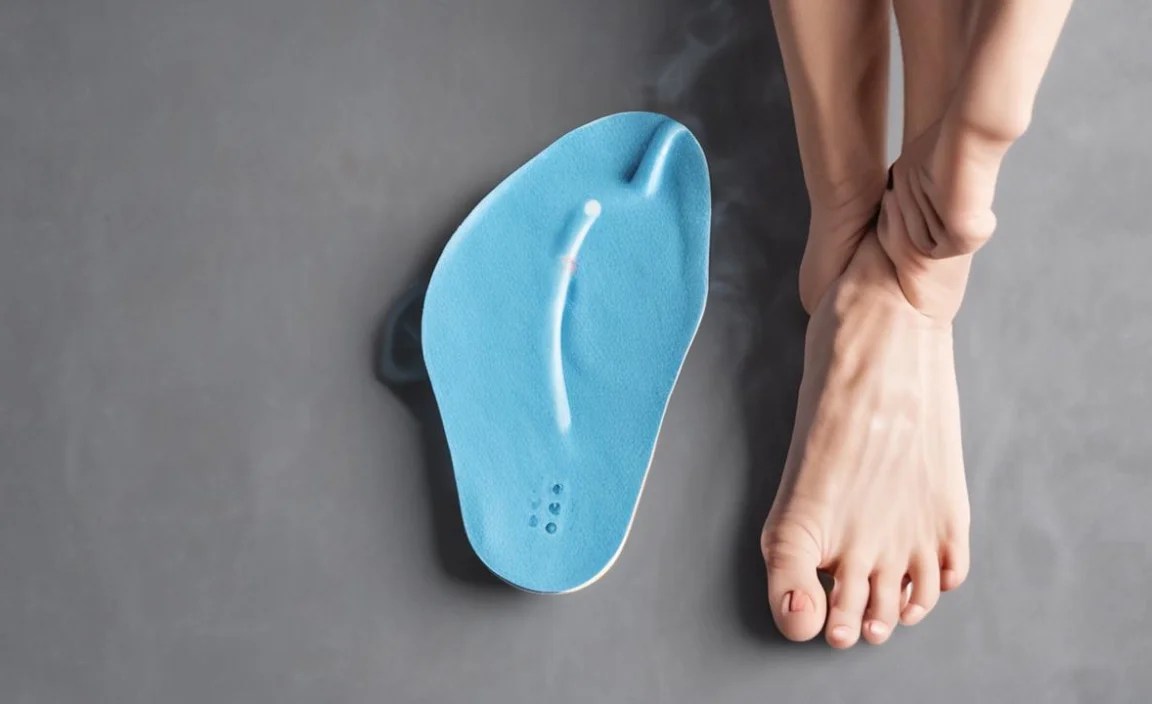
Heel cups, also known as heel inserts or heel stabilizers, are typically made from soft, cushioning materials like silicone, gel, or foam. Their primary function is to absorb shock and provide direct cushioning to the heel bone. They often have a U-shaped or bowl-like design that snugly fits around the heel, cradling it within the shoe.
Key Benefits of Heel Cups:
Shock Absorption: Their inherent cushioning properties significantly reduce the impact force transmitted from the heel to the foot, ankles, knees, and even hips. This is particularly beneficial for individuals who spend a lot of time on their feet or engage in high-impact activities.
Targeted Heel Pain Relief: Heel cups excel at providing relief from conditions specifically affecting the heel. This includes plantar fasciitis (a common cause of heel pain), heel spurs, Achilles tendonitis, and general heel bruising. By stabilizing and cushioning the heel, they can help to reduce inflammation and pain triggered by movement.
Rearfoot Stability: Some heel cups are designed with raised edges or a firmer material on the sides, offering a degree of rearfoot stability. This can help to prevent excessive pronation or supination (inward or outward rolling of the foot) in the heel strike phase of walking or running.
Comfort: For many, the simple act of adding extra padding to the heel can make a world of difference in overall comfort, especially in shoes that lack sufficient built-in cushioning.
When Heel Cups Might Be Your Best Option:
If your pain is predominantly localized to your heel, feels like a sharp stab on the bottom of your foot, or worsens with your first steps in the morning, heel cups are likely a strong contender. They are also excellent for individuals who want a simple, focused solution without altering the arch support of their existing footwear.
Exploring Insoles
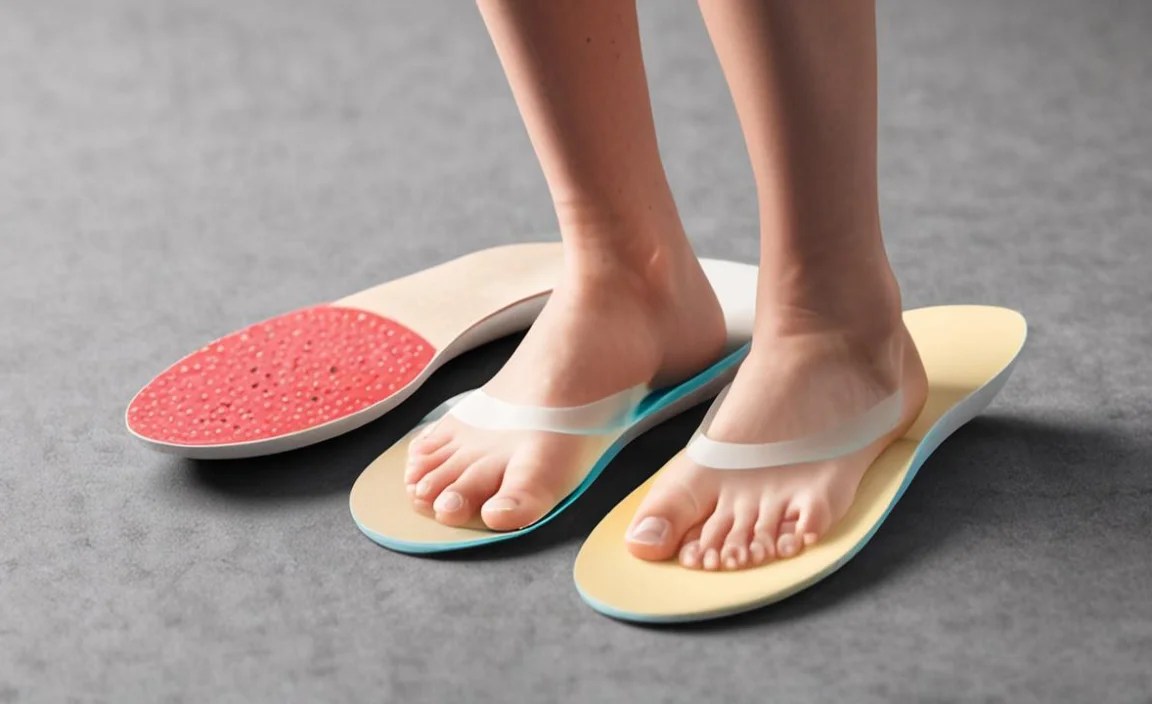
Insoles, often referred to as orthotics or arch supports, are designed to address the entire footbed of a shoe. They are generally available in a wider variety of designs, materials, and levels of support, ranging from soft, cushioned inserts to rigid, prescription-grade orthotics. Their primary goal is to provide support, alignment, and cushioning to the entire foot.
Key Benefits of Insoles:
Arch Support: This is arguably the most significant advantage of insoles. They can help to support the natural arch of the foot, distributing pressure more evenly across the sole. This is crucial for individuals with high arches, flat feet, or fallen arches, who often experience pain due to improper foot mechanics.
Alignment and Biomechanics: By supporting the arch and distributing weight effectively, insoles can help to correct or improve foot alignment. This can have a ripple effect, positively influencing the alignment of the ankles, knees, hips, and even the spine, thus alleviating pain throughout the kinetic chain.
Plantar Fasciitis Relief: While heel cups offer direct heel cushioning, insoles can address plantar fasciitis by supporting the plantar fascia ligament, reducing strain on the tissue.
Pain Management for a Wider Range of Conditions: Insoles are beneficial for a broader spectrum of foot conditions, including metatarsalgia (pain in the ball of the foot), shin splints, bunions, and general foot fatigue.
Shock Absorption: Many insoles incorporate cushioning materials to absorb shock, similar to heel cups, but often distributed across a larger surface area.
When Insoles Might Be Your Best Option:
If you experience pain that is not confined to your heel but spreads across the arch, the ball of your foot, or even higher up your leg, insoles are likely a better choice. Individuals with known biomechanical issues like overpronation or supination, or those with conditions affecting the arch, will find insoles particularly beneficial.
Heel Cups vs Insoles: Making Your Choice

The decision between heel cups vs insoles boils down to understanding the root cause and location of your discomfort.
For focused heel pain: If your primary complaint is sharp pain directly under or around your heel, especially upon waking or after periods of rest, heel cups are likely your best starting point. They offer direct, targeted cushioning and shock absorption where it’s needed most.
For broader foot pain and alignment issues: If your pain is more generalized, involves your arch, the ball of your foot, or is associated with how your entire foot lands and rolls, insoles offer a more comprehensive solution. They address the mechanics of the entire foot, promoting better alignment and distributing pressure more effectively.
Combination Approach: In some cases, a combination of both might be beneficial. For instance, someone with severe plantar fasciitis and heel spurs might find relief from an insole that provides good arch support and heel cushioning, potentially augmented with a separate heel cup for maximum shock absorption during high-impact activities.
* Shoe Type: Consider the type of shoes you wear. Running shoes often have good cushioning but might lack specific arch support, making insoles ideal. Dress shoes or minimalist footwear might benefit more from the targeted cushioning of heel cups if heel pain is the primary issue.
When to Seek Professional Advice
While this guide provides a general overview of heel cups vs insoles, it’s crucial to remember that persistent or severe foot pain warrants professional medical advice. A podiatrist or physiotherapist can accurately diagnose the cause of your pain through a physical examination and gait analysis. They can then recommend the most appropriate treatment, which might include specific types of orthotics (custom or over-the-counter), exercises, stretches, or other therapies.
In conclusion, both heel cups and insoles can be valuable tools for managing foot pain. By understanding their distinct mechanisms and applications, you can make a more informed choice. For localized heel pain, heel cups offer targeted relief. For more widespread discomfort and issues related to foot mechanics, insoles provide broader support and alignment correction. Ultimately, the “best” choice is the one that effectively addresses your individual needs and brings you closer to a pain-free stride.
