Hand Wash Insoles: Effortless Guide
Taking care of your footwear is crucial for extending its lifespan and ensuring your comfort. Among the many components of a shoe that experience the most wear and tear, insoles often go overlooked. They absorb shock, provide support, and can easily become a breeding ground for bacteria and odor. Thankfully, many insoles are designed to be removed and cleaned, and understanding hand wash insoles how to properly do so is a simple process that can make a significant difference. This guide will walk you through everything you need to know to effectively clean your insoles, transforming them from subpar to spectacularly fresh.
Often, when we think about cleaning shoes, the focus tends to be on the exterior. We polish leather, scrub canvas, and maybe even toss some athletic shoes into the washing machine. However, the interior hygiene of your footwear is just as, if not more, important. Insoles are in direct contact with your feet for hours on end, absorbing sweat and accumulating dead skin cells. This creates a perfect environment for odor-causing bacteria to thrive. Regularly cleaning your insoles can combat these issues, reducing foot odor and improving overall foot health.
Why Hand Wash Insoles?
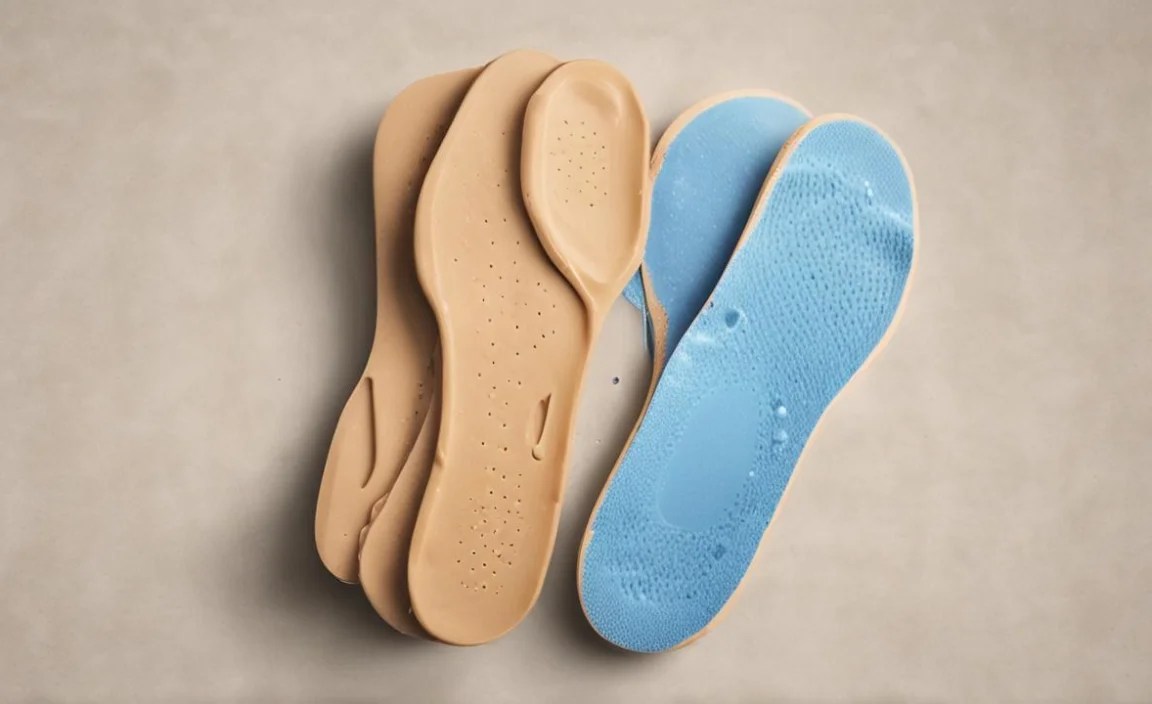
While some insoles might be labeled as machine washable, opting for hand washing often provides a gentler and more controlled approach. This is particularly important for delicate materials like leather, certain types of foam, or insoles with specialized cushioning technologies. Hand washing allows you to target specific stains or dirty spots without the risk of harsh agitation or excessive heat that could damage the insole. Furthermore, it gives you more control over the cleaning agents you use, allowing you to opt for milder, more natural solutions that are less likely to irritate your skin.
The process itself is surprisingly straightforward. The key is to be patient and allow the insoles to dry completely before reinserting them into your shoes. Prematurely putting damp insoles back can lead to mold growth, persistent odor, and discomfort. So, when you’re wondering hand wash insoles how to best achieve a clean result, remember that gentle care and adequate drying are paramount.
Getting Started: What You’ll Need
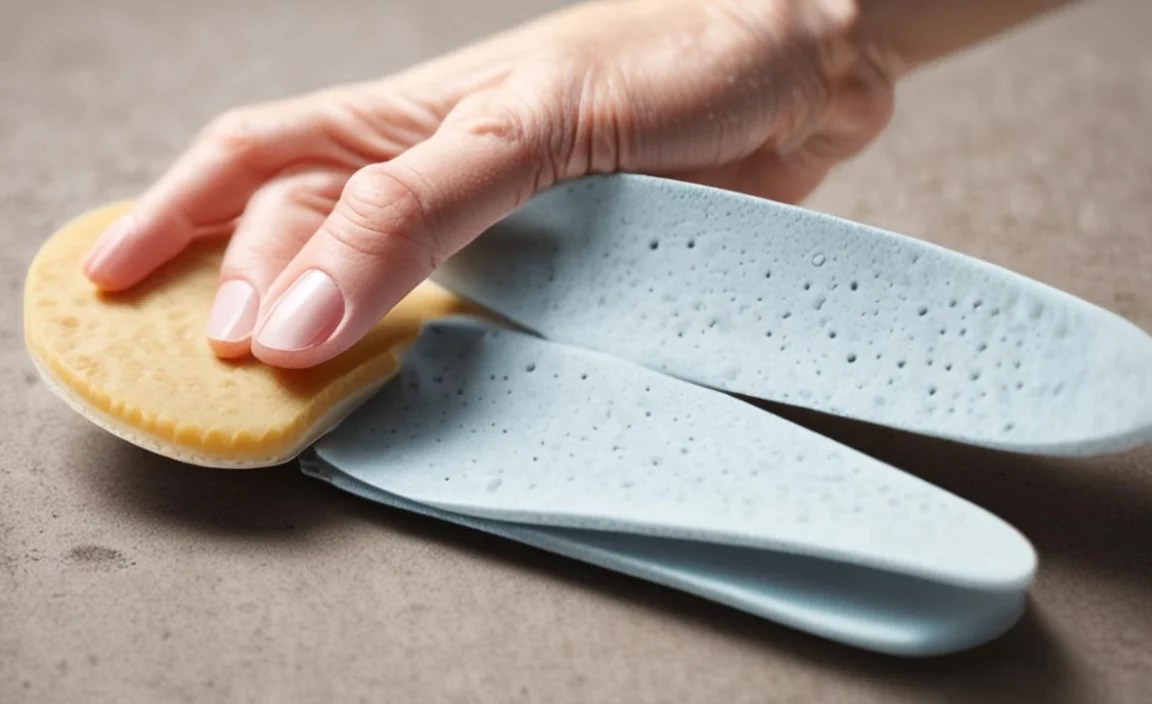
Before you begin the cleaning process, gather a few essential items. You won’t need anything too specialized, and likely have most of these on hand:
A Basin or Sink: Deep enough to fully submerge your insoles.
Mild Soap or Detergent: A gentle liquid dish soap, a mild laundry detergent, or even a specialized shoe cleaner will work. Avoid harsh chemicals or bleach.
Lukewarm Water: Hot water can damage certain materials and adhesives.
A Soft Brush or Cloth: An old toothbrush or a soft-bristled scrubbing brush is ideal for gently working the soap into the insole. A soft cloth can be used for wiping away dirt.
* Clean Towels: For blotting excess moisture.
The “Hand Wash Insoles How To” Step-by-Step Guide

Now, let’s dive into the actionable steps for cleaning your insoles:
1. Remove the Insoles: The first and most crucial step is to carefully remove the insoles from your shoes. This allows you to clean them thoroughly and also lets the shoe itself air out.
2. Initial Rinse: Gently rinse the insoles under cool or lukewarm running water to remove any loose dirt or debris. This will make the subsequent washing step more effective.
3. Apply Cleaning Solution: In your basin or sink, mix a small amount of your chosen mild soap with lukewarm water. Submerge the insoles in the soapy water.
4. Gentle Scrubbing: Using your soft brush or cloth, gently scrub the insoles. Pay attention to areas that appear particularly dirty or stained. Work the soap into the material to lift away grime and sweat. If you have strong odors, you can add a tablespoon of baking soda to the water, which is a natural deodorizer.
5. Rinse Thoroughly: Once you’ve scrubbed them, rinse the insoles thoroughly under clean, lukewarm water. Ensure all soap residue is washed away, as leftover soap can cause skin irritation.
6. Blot Excess Water: After rinsing, gently press the insoles between clean towels to remove as much excess moisture as possible. Avoid wringing or twisting them, as this can distort their shape.
7. Air Dry Completely: This is arguably the most critical step in the hand wash insoles how to process. Place the insoles on a flat surface in a well-ventilated area, away from direct sunlight or heat sources (like radiators or hair dryers). This can take anywhere from 12 to 48 hours, depending on the material and humidity. Ensure they are completely dry before placing them back into your shoes. You can even place them near a fan to speed up the drying process slightly, but always maintain a gentle airflow.
Dealing with Stubborn Odors and Stains

If your insoles are particularly stinky, a simple wash might not be enough. For persistent odors, after the initial wash and rinse, you can try soaking them in a solution of equal parts cool water and white vinegar for about an hour. Vinegar is a natural disinfectant and odor neutralizer. Follow this with another thorough rinse and thorough drying.
For stubborn stains, a paste made of baking soda and water applied directly to the stained area and allowed to sit for 15-30 minutes before scrubbing and rinsing can be very effective. Always test any cleaning solution on an inconspicuous area first to ensure it doesn’t damage the material.
When to Consider Replacement
Even with diligent cleaning, insoles have a finite lifespan. If your insoles are significantly flattened, torn, or no longer provide adequate cushioning and support, it’s time to consider replacing them. Dirty, worn-out insoles can contribute to foot pain, blisters, and other issues. Regularly assessing the condition of your insoles, alongside proper cleaning, ensures your feet remain happy and healthy.
Understanding hand wash insoles how to maintain them is an easy yet impactful way to improve your footwear and enhance your comfort. By following these simple steps, you can keep your insoles fresh, odor-free, and supportive for longer, making your shoes feel like new again with every step.
