Gel vs foam insoles offer distinct benefits when it comes to foot comfort and support, making the choice between them a crucial one for anyone seeking relief from foot pain or looking to enhance their athletic performance. Both materials have carved out their niches in the world of footwear accessories, catering to different needs and preferences. Understanding the fundamental differences between these two popular insole types can help you make an informed decision that prioritizes your well-being and activity levels.
Gel vs Foam Insoles: A Deep Dive into Comfort

At their core, the distinction between gel and foam insoles lies in their material composition and, consequently, their performance characteristics. Foam insoles, often constructed from EVA (ethylene-vinyl acetate) or polyurethane, are known for their lightweight nature and their ability to provide cushioned support. When you step onto a foam insole, it compresses, absorbing impact and dispersing pressure across your foot. This makes them a popular choice for everyday wear, offering a soft and responsive feel.
Gel insoles, on the other hand, utilize a viscous fluid or a gel-like polymer. This material provides a different kind of cushioning – one that is often perceived as more supportive and less prone to bottoming out under prolonged pressure. The gel can conform to the unique contours of your foot, offering targeted support where it’s needed most. This adaptability makes gel insoles particularly attractive for individuals experiencing specific foot conditions or those who demand high levels of shock absorption.
The Performance of Gel vs Foam Insoles

When considering performance, the nuances of gel vs foam insoles become even clearer. Foam insoles excel at providing general cushioning and shock absorption. They are excellent for people who spend a lot of time on their feet, such as retail workers, nurses, or anyone who walks or stands for extended periods. The softness of foam can help reduce fatigue and the jarring impact of each step, contributing to overall comfort throughout the day. However, over time, foam can compress and lose some of its cushioning ability, eventually requiring replacement.
Gel insoles, with their fluid-like properties, offer a unique advantage in terms of shock absorption and energy return. The gel can effectively absorb impact forces, especially during high-impact activities like running or jumping, then spring back to its original form. This can lead to a more dynamic and responsive feel. For athletes, this can translate to reduced muscle fatigue and a potential boost in performance. Furthermore, the ability of gel to contour to the foot can provide superior arch support and help stabilize the foot, which is beneficial for individuals with overpronation or other biomechanical issues.
Durability and Longevity: A Key Consideration
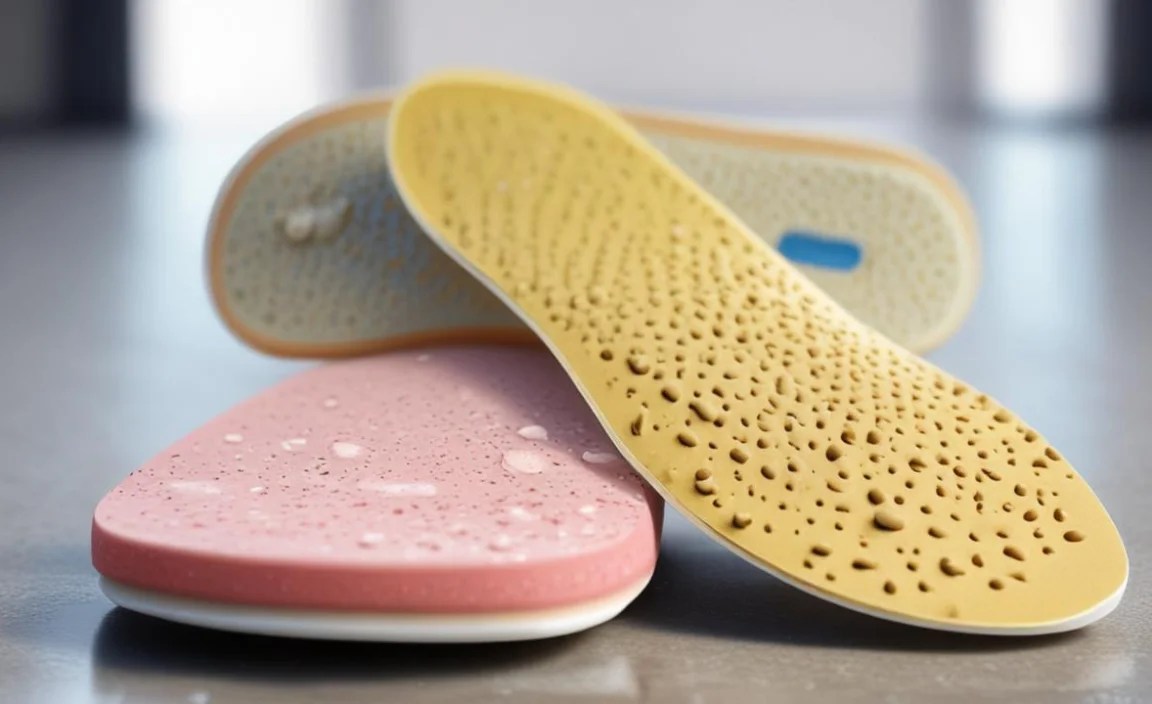
Another critical factor in the gel vs foam insoles debate is durability. Generally, high-quality gel insoles tend to be more durable than their foam counterparts. Foam insoles, due to their compressible nature, can degrade over time and with repeated use. The cushioning they provide can diminish, leading to a loss of comfort and support. While some advanced foam technologies aim to combat this, it remains a common limitation.
Gel insoles, particularly those made with medical-grade silicone or advanced polymers, are often designed to withstand significant wear and tear. They are less prone to permanent compression and can maintain their cushioning and support properties for a longer period. This makes them a potentially more cost-effective solution in the long run, especially for individuals who require consistent and reliable foot support. If you’re looking for an insole that will stand the test of time and rigorous activity, gel might have an edge.
Choosing the Right Insole for Your Needs
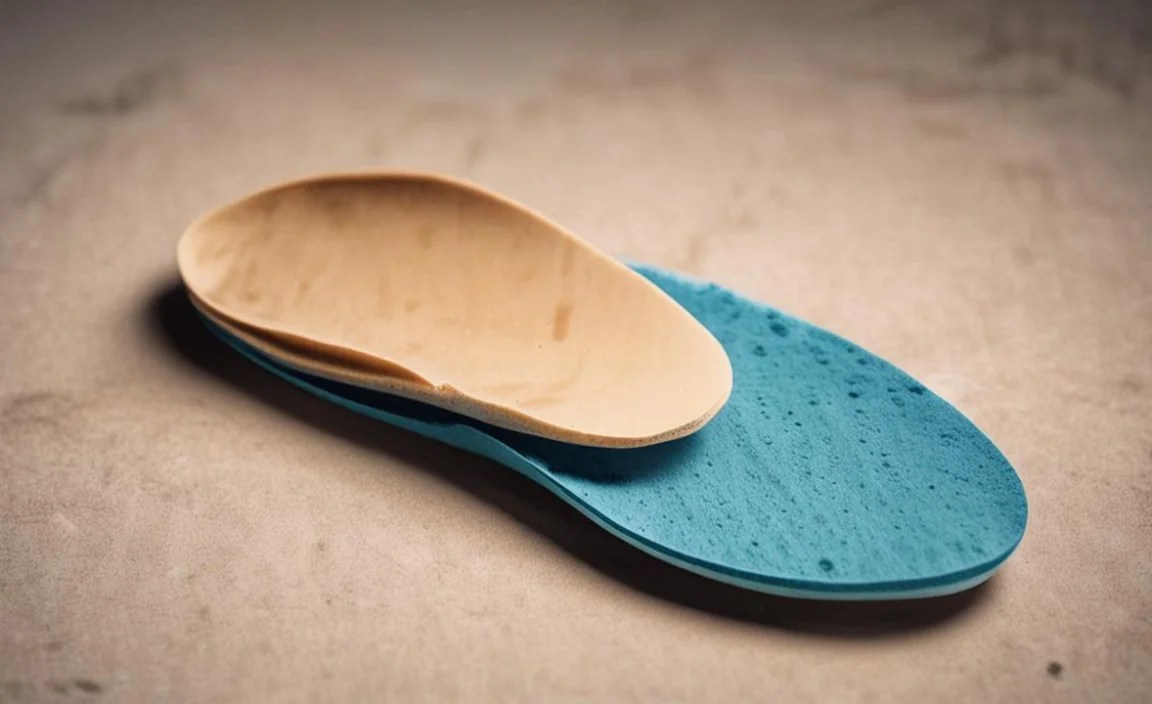
The “ultimate comfort” you seek will ultimately depend on your individual circumstances. For everyday walking and standing, especially if you prefer a softer, more plush feel, a good quality foam insole can be an excellent choice. They offer immediate comfort and are often lighter, which can be less noticeable in your shoes.
However, if you engage in high-impact activities, experience specific foot pain conditions such as plantar fasciitis, or simply crave superior shock absorption and targeted support, gel insoles might be the better option. The ability of gel to adapt to your foot’s unique shape and provide consistent cushioning can make a significant difference in alleviating discomfort and enhancing your overall foot health. Many gel insoles are also designed with specific therapeutic benefits in mind, offering features like pressure point relief or heel cups for added stability.
Ultimately, the best approach may involve trying both types of insoles to see which one provides the most comfort and support for your specific feet and lifestyle. Consider the type of shoes you’ll be using them in, the duration and intensity of your activities, and any existing foot conditions. By carefully evaluating the strengths of gel vs foam insoles, you can take a significant step towards achieving unparalleled foot comfort and well-being.
