Gait correction insoles are revolutionizing the way we approach foot health and biomechanical balance. For many, the way they walk, or their “gait,” isn’t just an unconscious bodily function; it can be a source of pain, discomfort, and even lead to more significant musculoskeletal issues down the line.
Understanding the intricate mechanics of how our feet interact with the ground is crucial, and for those experiencing imbalances, specialized insoles are proving to be an invaluable tool.
Our gait is a complex symphony of movements involving our feet, ankles, knees, hips, and even our core. When this symphony is out of tune, even subtle misalignments can have cascading effects. Perhaps you’ve noticed a persistent ache in your arch, a nagging pain in your heel after a long day, or discomfort radiating up your leg.
These could all be indicators of an underlying gait issue. Traditional approaches might involve rest, ice, or generic cushioning, but for a targeted solution, gait correction insoles offer a more proactive and corrective approach.
Understanding Your Gait and Its Importance

Before diving into the world of insoles, it’s helpful to grasp what constitutes a “healthy” gait. In essence, a healthy gait is characterized by efficient, symmetrical movement. Your foot should strike the ground with a heel strike, roll through the midfoot, and push off smoothly from the forefoot and toes. Your arches should provide natural shock absorption, and your ankles should remain relatively stable.
However, numerous factors can disrupt this natural flow. Pronation, the inward rolling of the foot after heel strike, is a common culprit. Overpronation, where the foot rolls excessively inward, can lead to a collapsed arch and strain on the ankle, knee, and hip. Conversely, supination (or underpronation) is when the foot rolls outward, resulting in poor shock absorption and increased pressure on the outer edge of the foot.
Other gait abnormalities can include a lack of dorsiflexion (inability to lift the foot upwards), which can cause toe dragging, or a tendency to walk with knees that knock inward. These imbalances aren’t just uncomfortable; they can contribute to conditions like plantar fasciitis, shin splints, Achilles tendonitis, knee pain, and even lower back pain.
How Gait Correction Insoles Work
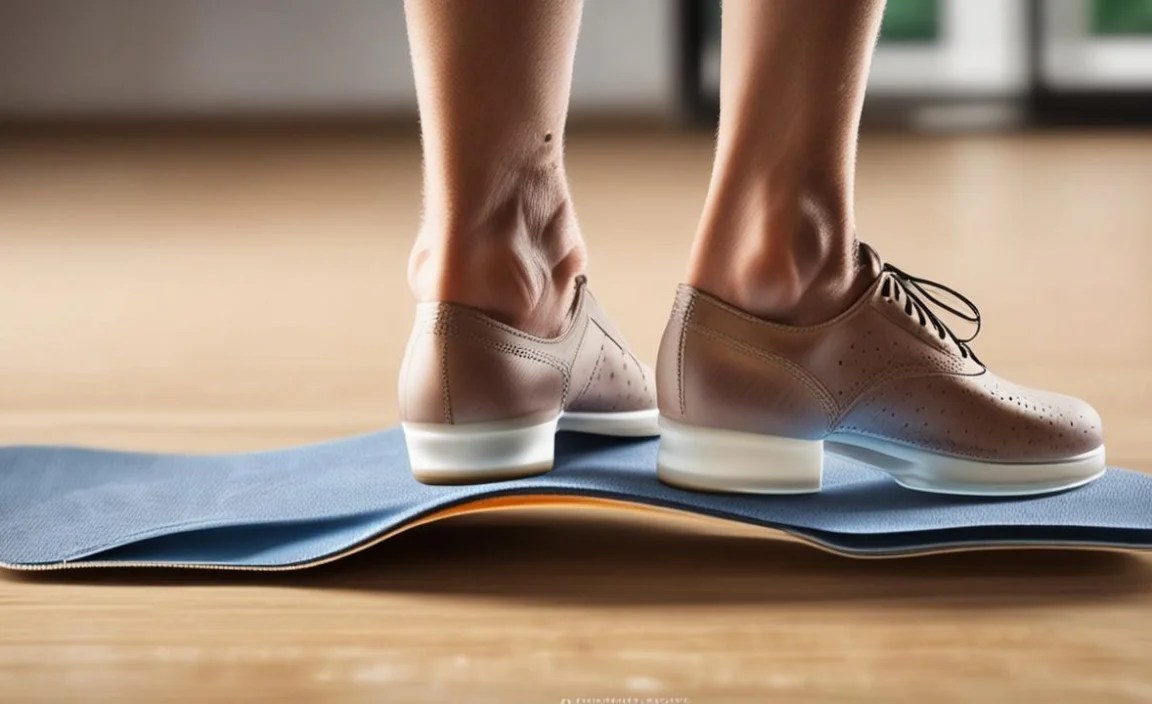
The fundamental principle behind gait correction insoles is to provide targeted support and alignment to the foot, thereby guiding it towards a more biomechanically sound movement pattern. Unlike standard shoe inserts designed primarily for cushioning, these specialized insoles are engineered with specific features to address common gait issues.
For example, if you overpronate, an insole might feature a firmer medial (inner) arch support. This helps to prevent the arch from collapsing too much, realigning the foot and ankle and reducing the strain on the kinetic chain.
Conversely, for supinators, an insole might offer more cushioning on the outer edge and a more neutral arch, encouraging better ground contact and shock absorption. Metatarsal pads can help to redistribute pressure from the ball of the foot, alleviating pain associated with conditions like metatarsalgia. Heel cups can provide stability and cushioning, offering relief for heel pain and Achilles issues.
The materials and design of these insoles are crucial. They are often made from a combination of rigid and semi-rigid materials, providing the necessary structure without sacrificing comfort. Some insoles come with customizable elements that can be adjusted by a podiatrist or orthotist to precisely match an individual’s foot structure and biomechanical needs.
Choosing the Best Gait Correction Insoles for You

Navigating the world of gait correction insoles can feel overwhelming, given the variety available. The “best” insole is not a one-size-fits-all solution; it’s the one that is most effective for your unique biomechanical needs and the specific issues you are experiencing.
Your first and most important step should be to consult with a healthcare professional, such as a podiatrist, physical therapist, or orthotist. They can perform a gait analysis, which may involve observing you walk on a treadmill or even using specialized technology to assess your foot strike, arch support, and overall movement patterns. This professional diagnosis is invaluable in determining the underlying cause of your gait issues and recommending the most appropriate type of insole.
Once you have a professional recommendation, consider these factors when selecting your insoles:
Type of Gait Issue: Are you an overpronator, supinator, or do you have another specific concern? The insole’s design should directly address this.
Activity Level: Are you looking for support for daily wear, running, hiking, or another specific sport? Orthotics designed for high-impact activities will often be more robust and offer greater support.
Shoe Compatibility: Ensure the insoles you choose will fit comfortably and securely in your preferred footwear. Some insoles are designed to be extremely slim, while others are more substantial.
Material and Durability: Look for high-quality materials that offer a balance of support, cushioning, and breathability. Durable construction will ensure your insoles last and continue to provide effective support.
Customization vs. Off-the-Shelf: While custom-made orthotics prescribed by a specialist are often the most effective, high-quality over-the-counter gait correction insoles can provide significant benefits for many individuals.
The Benefits of Improved Gait

Investing in the right gait correction insoles can yield a multitude of benefits that extend far beyond your feet. By correcting and improving your gait, you can experience:
Reduced Pain and Discomfort: This is often the primary driver for seeking out insoles. Alleviating pain in the feet, ankles, knees, hips, and even the back can dramatically improve your quality of life and allow you to engage in activities you enjoy without limitation.
Improved Balance and Stability: A more aligned gait naturally leads to better balance and greater stability, reducing the risk of falls and sprains.
Enhanced Athletic Performance: For athletes, optimal biomechanics are crucial. Correcting gait issues can improve efficiency, power transfer, and reduce the likelihood of injuries, leading to better performance and longer training careers.
Prevention of Future Injuries: By addressing the root cause of many biomechanical problems, gait correction insoles can help prevent the development of chronic conditions and further musculoskeletal issues.
Increased Comfort and Endurance: When your feet are properly supported and your gait is efficient, even long periods of standing or walking become significantly more comfortable, allowing you to go further and do more.
In conclusion, gait correction insoles are more than just comfort accessories; they are sophisticated tools designed to restore biomechanical balance and promote a healthier stride. By understanding your own gait, seeking professional advice, and choosing the right insoles for your needs, you can unlock a world of improved comfort, reduced pain, and enhanced overall well-being.
