When it comes to foot support and comfort, the debate between full vs 3/4 length insoles is a common one. Both offer distinct advantages, and understanding their differences is key to making the optimal choice for your specific needs, footwear, and activity levels.
Whether you’re an athlete seeking to enhance performance, someone experiencing foot pain, or simply aiming for more comfortable everyday wear, this guide will delve into the nuances of full and 3/4 length insoles to help you stride with confidence.
At their core, insoles, also known as orthotics or arch supports, are inserts placed inside your shoes to provide cushioning, stability, and realignment. They can alleviate pain associated with common foot conditions like plantar fasciitis, heel spurs, and flat feet, and can also improve overall biomechanics, reducing stress on your ankles, knees, hips, and even your back.
The primary distinction lies in their coverage. As the names suggest, full-length insoles extend from the heel all the way to the toe, offering complete foot coverage, while 3/4 length insoles stop short of the toes, typically ending around the ball of the foot.
The Case for Full-Length Insoles
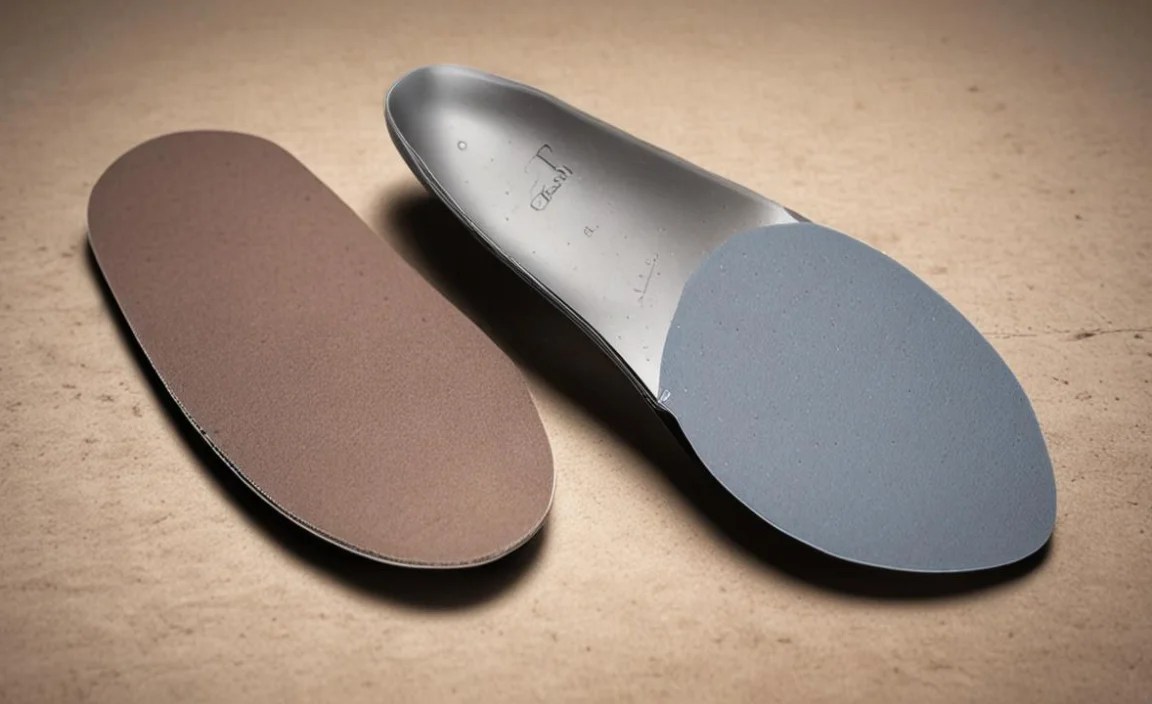
Full-length insoles are often considered the more comprehensive option, providing support from heel to toe. This type of insole is particularly beneficial for individuals who experience discomfort or pain in multiple areas of their foot, or who require a significant level of arch support and cushioning.
Benefits of Full-Length Insoles:
Complete Arch Support: By extending the entire length of the foot, full insoles can offer continuous and comprehensive support to the arch, helping to prevent overpronation (where the foot rolls inward excessively) or supination (where the foot rolls outward). This consistent support is crucial for foot health and can prevent fatigue and pain during extended periods of standing or walking.
Enhanced Cushioning: The extended coverage means more material to absorb shock, providing a plush and comfortable feel with every step. This is especially advantageous for high-impact activities like running or jumping, where reducing the jarring impact on your feet and joints is paramount.
Improved Heel Stability: Full insoles often incorporate a deeper heel cup, which cradles the heel. This helps to properly align the foot and prevent excessive heel motion, contributing to overall stability and reducing the risk of ankle sprains.
Broad Applicability: They are generally well-suited for a wide range of footwear, including athletic shoes, hiking boots, and work boots, where maximum support and comfort are desired.
However, the substantial coverage of full-length insoles can also present a drawback. They can sometimes feel bulky, especially in tighter-fitting shoes, potentially leading to a snug or even constrictive fit. This is a crucial consideration when choosing insoles for fashion footwear or performance shoes where space is at a premium.
The Advantages of 3/4 Length Insoles

3/4 length insoles offer a more minimalist approach to foot support, focusing primarily on the heel and arch. They are designed to provide targeted support without extending all the way to the toes.
Benefits of 3/4 Length Insoles:
Reduced Bulk and Improved Fit: The most significant advantage of 3/4 length insoles is their ability to avoid the toe box of the shoe. This makes them an excellent choice for footwear with a narrow or shallow toe area, such as dress shoes, loafers, or certain types of athletic shoes like cycling shoes or minimalist running shoes. This reduced bulk can prevent pressure points and discomfort in the toes.
Targeted Arch and Heel Support: While not extending to the toes, good quality 3/4 insoles still offer robust support to the crucial heel and arch areas. This is often sufficient for individuals whose primary discomfort or alignment issues are concentrated in these regions.
Enhanced Flexibility: By leaving the forefoot unencumbered, 3/4 insoles can allow for more natural toe flex and movement. This can be beneficial for activities where toe-off is a critical component of the motion.
Ease of Transfer: Due to their smaller size, 3/4 insoles are often easier to swap between different pairs of shoes, offering a convenient solution for those who want support across multiple footwear options.
The trade-off with 3/4 insoles is their limited coverage. If you experience pain or discomfort in the ball of your foot or the toes themselves, a 3/4 insole might not provide adequate relief. Furthermore, the forefoot cushioning is absent, which could be a concern for activities that involve significant impact to the front of the foot.
Making the Right Decision: Full vs 3/4 Length Insoles

The choice between full vs 3/4 length insoles ultimately depends on several factors.
Your Foot Condition and Pain Points: If you have widespread foot pain, plantar fasciitis, or require comprehensive arch support, a full-length insole is likely the better option. If your pain is primarily in the heel or arch and you don’t experience forefoot issues, a 3/4 insole might suffice.
Your Footwear: Consider the type of shoes you plan to wear the insoles with. For bulky boots and athletic shoes, full-length insoles can integrate seamlessly. For snug dress shoes or sleek trainers, 3/4 length insoles will provide support without compromising the fit.
Your Activity Level: High-impact sports or activities that involve prolonged standing often benefit from the full cushioning and support of full-length insoles. If your activities are less demanding or involve more natural foot movement, 3/4 insoles could be a good fit.
Personal Preference: Ultimately, comfort is subjective. Trying on both types of insoles with your intended footwear is the best way to determine which feels most supportive and comfortable for your feet.
In conclusion, understanding the functional differences between full and 3/4 length insoles empowers you to make an informed decision.
While full-length insoles offer comprehensive support and cushioning for extensive coverage, 3/4 length insoles provide targeted relief and a less intrusive fit for specific footwear. By carefully assessing your individual needs, footwear, and activity, you can confidently select the best insoles to enhance your foot health and overall well-being.
