Full length insoles explained – this is your comprehensive guide to understanding how these versatile inserts can revolutionize your footwear experience.
Often overlooked, insoles are far more than just a bit of padding; they are a crucial component for anyone seeking improved comfort, better foot alignment, and targeted support for a range of foot conditions. From alleviating aches and pains to optimizing athletic performance, the right full-length insoles can make a world of difference to your daily well-being.
What Exactly are Full Length Insoles?

At their core, full length insoles, also known as full insoles or shoe inserts, are designed to fit the entire length of your shoe, from heel to toe. Unlike shorter inserts that might only cover the heel or arch, full-length options provide a continuous layer of cushioning and support throughout the sole of your foot.
This comprehensive coverage is key to their effectiveness in distributing pressure evenly, cushioning impact, and promoting a healthier foot posture. They are typically made from a variety of materials, including foam, gel, cork, or even more rigid materials like plastic or carbon fiber, depending on their intended purpose.
Why Consider Using Full Length Insoles?
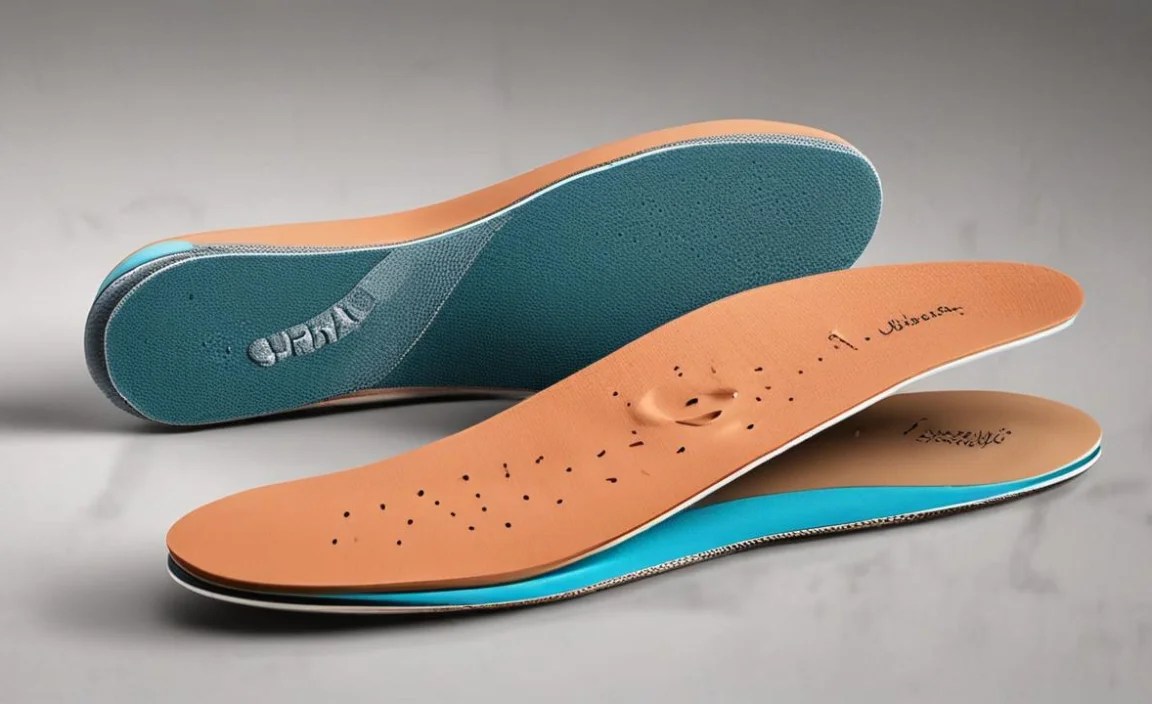
The benefits of incorporating full length insoles into your footwear are numerous and can address a wide spectrum of needs. For the everyday wearer, they offer a significant upgrade in comfort, transforming stiff or unsupportive shoes into plush, pain-relieving companions. This enhanced comfort can translate to reduced fatigue in the legs and feet, especially during long periods of standing or walking.
Beyond general comfort, full length insoles play a vital role in managing and preventing common foot ailments. Conditions such as plantar fasciitis, heel spurs, metatarsalgia (pain in the ball of the foot), and stress fractures can all be significantly eased with the right support. By providing proper arch support, cushioning the heel, and stabilizing the foot, these inserts can help to correct biomechanical issues that contribute to these painful conditions.
For athletes, the advantages are amplified. Full length insoles can improve shock absorption during high-impact activities like running and jumping, thereby reducing the risk of injury. They can also enhance stability and energy return, potentially boosting performance by ensuring a more efficient stride and preventing foot fatigue that can hinder progress.
Understanding the Different Types of Full Length Insoles

The world of full length insoles is diverse, catering to specific needs and preferences. Broadly, they can be categorized by their primary function:
Cushioning Insoles: These are the most common type, designed to provide maximum shock absorption and comfort. They are usually made from soft foams like EVA (ethylene-vinyl acetate) or memory foam. These are ideal for everyday wear, people who spend a lot of time on their feet, or those looking for general foot fatigue relief.
Support Insoles (Orthotic Insoles): These insoles are engineered with more structure, often featuring a firmer heel cup and contoured arch support. They are designed to control pronation (inward rolling of the foot) or supination (outward rolling), promoting proper alignment of the foot, ankle, knee, and even hip.
These are particularly beneficial for individuals with flat feet, high arches, or specific biomechanical issues. While many are available over-the-counter, custom orthotics prescribed by a podiatrist offer the highest level of personalized support.
Performance Insoles: Tailored for athletes, these insoles often combine cushioning with enhanced stability and energy return. They might incorporate materials like carbon fiber for rigidity and responsiveness, or specialized gel inserts for targeted impact absorption at critical points. Different sports may have specific performance insoles designed for their unique demands.
Specialty Insoles: This category includes insoles designed for specific medical needs, such as diabetic insoles (offering extra cushioning and seamless construction to prevent irritation) or odor-control insoles.
How to Choose the Right Full Length Insoles

Selecting the correct full length insoles is crucial for realizing their full potential. Here are some key factors to consider:
1. Your Foot Type: The shape of your foot is paramount. Do you have flat feet, high arches, or neutral arches? Socks with a flat print or a clear imprint on paper are good indicators. Flat feet often benefit from supportive insoles with good arch support, while high arches might need more cushioning and shock absorption.
2. Your Activity Level and Footwear: Are you a runner, a construction worker, or someone who sits at a desk all day? The type of shoe you’ll be inserting them into also matters. Running shoes might benefit from performance or cushioning insoles, while dress shoes might require thinner, more flexible cushioning options.
3. Your Specific Foot Concerns: Are you dealing with plantar fasciitis, heel pain, or general discomfort? If you have a diagnosed condition, consulting with a podiatrist is highly recommended. They can recommend specific types of insoles or even custom orthotics.
4. Material and Durability: Consider the materials. Foam offers comfort, gel provides shock absorption, and firmer materials offer stability. Think about how long you expect the insoles to last and the level of cushioning you prefer.
5. Fit: Even the best insoles won’t work if they don’t fit your shoes properly. They should fill the shoe without bunching up or creating pressure points. Most insoles can be trimmed to fit your specific shoe size.
Integrating Full Length Insoles into Your Routine

Once you’ve chosen your insoles, integrating them is straightforward. Most insoles are designed to be placed directly into your existing footwear, replacing the factory-supplied insole. Remove the original insole and insert the new one, ensuring it sits flat and comfortably.
If the new insole is too long, most can be trimmed with scissors to achieve a perfect fit. It’s often a good idea to wear them for short periods initially to allow your feet to adjust, especially with supportive or orthotic insoles.
The journey to healthier, more comfortable feet can be significantly enhanced by understanding and utilizing the benefits of full length insoles explained. By taking the time to choose the right type for your needs and integrating them properly into your footwear, you can unlock a new level of support, pain relief, and overall well-being with every step you take.
