When heel pain strikes, a specially designed foot pain relief insole can be a genius solution. These insoles provide targeted support and cushioning, especially for the heel, helping to alleviate discomfort and promote healing. Finding the right insole can significantly improve your daily comfort and activity levels.
Does your heel ache with every step? You’re not alone! Many folks experience frustrating heel pain, often making simple things like walking, standing, or enjoying a stroll feel like a chore. It can really put a damper on your day, but the good news is, there are smart, simple solutions. We’re going to dive into how the right type of foot pain relief insole can be an absolute game-changer for beating heel pain. Get ready to discover how these clever inserts can bring you much-needed comfort and get you back on your feet, pain-free!
Understanding Heel Pain: The Common Culprit

Heel pain is more than just a nuisance; it can significantly impact your quality of life. The most common cause is plantar fasciitis, a condition where the plantar fascia, a thick band of tissue running across the bottom of your foot connecting your heel bone to your toes, becomes inflamed or irritated. This often feels like a sharp stabbing pain, usually worst with your first steps in the morning or after periods of rest. Other causes can include heel spurs (bony growths on the heel bone), Achilles tendonitis, or bursitis. Regardless of the exact cause, the persistent pain can make you dread putting weight on your foot.
Several factors can contribute to heel pain:
- Footwear: Shoes that lack proper arch support or cushioning can put excessive stress on your feet.
- Activity Level: Sudden increases in physical activity, especially running or jumping, can strain the heel.
- Weight: Carrying extra weight can increase pressure on your feet.
- Foot Structure: Flat feet or high arches can alter weight distribution.
- Standing for Long Periods: Jobs or activities requiring prolonged standing can lead to fatigue and pain. For more insights into foot health, the American Podiatric Medical Association (APMA) offers excellent resources.
The Genius of Foot Pain Relief Insoles for Heel Pain

So, how exactly does an insole become a “genius” solution for heel pain? It’s all about targeted support and shock absorption. Standard shoes often don’t provide enough of what your feet need, especially when they’re hurting. Insoles are designed to fill these gaps.
Here’s why they work wonders:
- Cushioning: High-quality insoles have specialized cushioning, particularly in the heel cup area, to absorb the impact of each step. This reduces the direct pressure on the painful heel bone and inflamed tissues.
- Arch Support: Many heel pain issues stem from improper foot mechanics. Insoles with good arch support help to distribute weight evenly across your foot, taking pressure off the plantar fascia and reducing strain.
- Heel Stabilization: A well-designed insole will have a contoured heel cup that cradles your heel, preventing excessive side-to-side motion and promoting a more stable, natural gait.
- Orthotic Benefits: Some insoles act as semi-rigid orthotics, offering more structured support to correct biomechanical issues that might be causing your heel pain.
- Comfort Upgrade: Even without a specific medical condition, insoles simply make your shoes more comfortable, transforming an ordinary shoe into an exceptionally supportive one.
Choosing the Right Foot Pain Relief Insole: A Step-by-Step Guide

Not all insoles are created equal, especially when it comes to tackling heel pain. Here’s how to find the perfect fit for your feet:
Step 1: Identify Your Foot Type and Pain Level
Before you shop, take a moment to understand your feet. Do you have high arches, flat feet, or neutral arches? Knowing this helps you choose an insole with the appropriate level of support. Also, consider the severity of your pain. For mild discomfort, a cushioned insole might suffice. For more persistent or intense pain, you might need a firmer, more supportive orthotic-style insole.
A simple way to check your arch type is the “wet test”:
- Wet the bottom of your foot.
- Step onto a piece of paper or a dark-colored surface.
- Examine the imprint left behind:
- Flat Arch: You’ll see most of your foot’s imprint.
- High Arch: You’ll see a thin line or a gap on the outer edge.
- Neutral Arch: You’ll see a clear imprint of your heel and forefoot with a noticeable curve inwards.
Step 2: Prioritize Heel Cushioning and Support
When looking at insoles, focus on the heel area. You want:
- Plush or Gel Cushioning: This is key for absorbing shock.
- Deep Heel Cup: This helps to cup and stabilize your heel, preventing it from rolling inward or outward excessively.
- Firm but Flexible Material: The insole should prevent your heel from sinking too much while still allowing for natural foot movement.
Step 3: Consider Arch Support Needs
As mentioned, arch support is crucial. If you have flat feet, look for insoles with good medial (inner) arch support to help prevent overpronation. If you have high arches, you might benefit from insoles that offer more cushioning and flexibility, as high arches can sometimes mean less natural shock absorption.
Step 4: Read Reviews and Look for Specific Features
Don’t be afraid to scour reviews! Look for insoles specifically praised for heel pain relief. Key features to seek out include:
- Ortholite foam or other high-performance cushioning materials.
- Metatarsal pads for added pressure relief in the ball of the foot.
- Semi-rigid or rigid construction for more significant support.
- Durability for long-lasting comfort.
Step 5: Try Them Out in Your Shoes
The best insole is one that fits comfortably in your everyday shoes. Ensure there’s enough depth in your shoe to accommodate the insole without making your foot feel too cramped. If possible, try walking around in them briefly to gauge initial comfort. If you’re purchasing online, check the return policy.
Types of Insoles for Heel Pain Relief

The world of insoles can seem overwhelming, but they generally fall into a few categories that are particularly effective for heel pain.
1. Cushioned/Soft Insoles
These are the simplest and often most affordable option. They primarily focus on adding a layer of soft padding to absorb shock.
- Best for: Mild heel pain, general comfort, and improving any shoe’s cushioning.
- Pros: Enhance comfort, widely available, usually inexpensive.
- Cons: May not provide enough support for moderate to severe pain or biomechanical issues.
2. Arch Support Insoles
These insoles are designed with a more structured arch to support the natural contour of your foot, reducing strain on the plantar fascia.
- Best for: People with flat feet or fallen arches contributing to heel pain.
- Pros: Improve alignment, provide significant support, can alleviate pressure.
- Cons: Can feel stiff initially, may not be suitable for very high arches needing more flexibility.
3. Heel Cups/Pads
Specifically designed for the heel, these often feature a U-shaped or contoured design to cradle the heel and provide concentrated cushioning and shock absorption.
- Best for: Direct heel pain, like plantar fasciitis or heel spurs.
- Pros: Targeted relief for the heel, excellent shock absorption, can be used in various shoe types.
- Cons: Offer less overall foot support compared to full-length insoles.
4. Orthotic Insoles (Over-the-Counter)
These are more advanced, offering a combination of cushioning, arch support, and heel stabilization. They are designed to correct minor biomechanical issues.
- Best for: Moderate to severe heel pain, people needing more structured correction.
- Pros: Comprehensive support, can help realign the foot, durable.
- Cons: Can be more expensive, may require a break-in period, can feel firm.
5. Athletic Insoles
Designed for active individuals, these insoles blend cushioning, support, and durability to handle the impact of sports and exercise.
- Best for: Athletes, runners, and individuals on their feet all day who experience heel pain.
- Pros: Excellent shock absorption, good support for dynamic movement, breathable materials.
- Cons: Can be overkill for casual wear, might be bulkier.
Insole Materials and Technologies
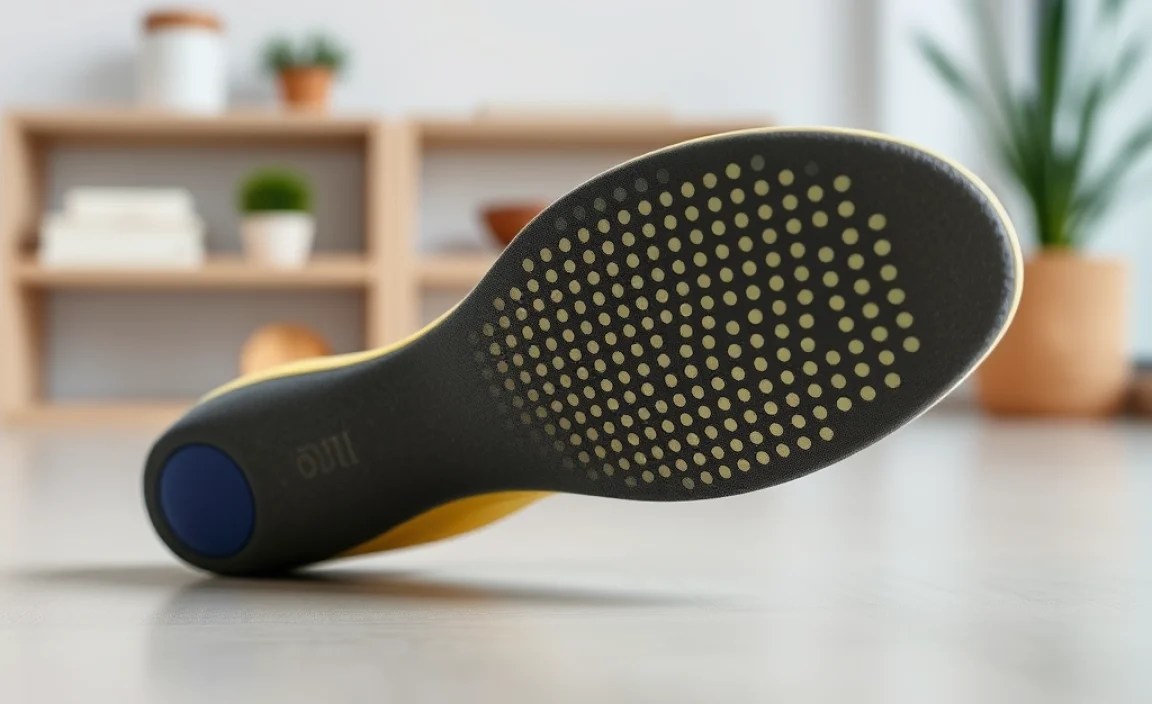
The materials used in insoles play a huge role in their effectiveness. Here’s a look at some common ones:
| Material/Technology | Description | Benefits for Heel Pain |
|---|---|---|
| EVA (Ethylene Vinyl Acetate) | A flexible and elastic closed-cell foam. Often used in the midsole of shoes and as a cushioning layer in insoles. | Provides good shock absorption and cushioning for the heel. Lightweight. |
| PU (Polyurethane) Foam | Denser and more durable than EVA. Offers excellent cushioning and support. | Resilient cushioning that doesn’t compress easily, offering long-lasting heel support. |
| Gel Inserts | Often found in heel cups or specific impact zones. Provides a very soft and responsive feel. | Superior shock absorption, specifically targeting impact to the heel. Can feel very relieving. |
| Memory Foam | Conforms to the shape of the foot over time, offering personalized cushioning. | Molds to your heel for a custom fit and pressure relief, though can sometimes be too soft for significant support. |
| Carbon Fiber/Graphite Plates | Rigid plates used in some orthotic insoles for strong support and stability. | Provides excellent rigidity to control foot motion and support the arch, which can indirectly relieve heel strain. Not for cushioning. |
How to Use Your New Insoles for Maximum Relief
Simply putting insoles in your shoes is a great start, but a little extra effort can make a big difference.
- Remove Existing Insoles: Most shoes have removable insoles. Take them out to make room for your new ones and ensure a proper fit.
- Break Them In Gradually: Especially with firmer orthotic insoles, start by wearing them for a couple of hours each day. Let your feet get accustomed to the new support.
- Wear Them in Supportive Shoes: Pair your insoles with shoes that already offer decent support and cushioning for the best results. Avoid flimsy shoes or flip-flops with insoles.
- Listen to Your Body: If you experience increased pain or discomfort, reduce wear time or consult a professional.
- Consider Them for All Your Shoes: If you find a pair of insoles dramatically helps, consider getting a second pair for your other frequently worn shoes to ensure consistent support.
When to See a Doctor or Podiatrist
While insoles are a fantastic tool for heel pain relief, they aren’t always a magic bullet. If your pain is:
- Severe or doesn’t improve after a few weeks of consistently using insoles and other home care.
- Accompanied by swelling, redness, or numbness.
- Caused by a specific injury.
- Significantly impacting your mobility and daily activities.
It’s time to seek professional advice. A doctor or podiatrist can accurately diagnose the cause of your heel pain and recommend the most effective treatment plan, which might include custom orthotics, physical therapy, or other medical interventions. The American Academy of Podiatric Sports Medicine (AAAPSM) also provides helpful patient resources.
Frequently Asked Questions About Foot Pain Relief Insoles for Heel Pain
Q1: How long does it take for insoles to relieve heel pain?
A: For mild pain, you might feel relief within a few days. For more persistent issues, it can take 1-2 weeks of consistent wear to notice significant improvement as your feet adjust and the insoles work their magic.
Q2: Can I wear insoles for heel pain in any shoe?
A: It’s best to wear them in shoes that have some inherent support and a removable insole. Sneakers, walking shoes, and some boots work well. Very flat, flimsy shoes or high heels are generally not suitable for most supportive insoles.
Q3: How do I know if I need arch support or just cushioning?
A: If your pain is mainly on the bottom of your foot, especially near the arch and heel, and you have flat feet or your foot rolls inward excessively, arch support is likely needed. If your pain is more generalized heel discomfort and your arches are normal, focusing on cushioning might be enough.
Q4: Will insoles for heel pain stop my plantar fasciitis?
A: Insoles can significantly reduce the symptoms and help the healing process of plantar fasciitis by supporting the arch, cushioning the heel, and reducing strain. However, they are often part of a broader treatment plan that may include stretching and rest.
Q5: How often should I replace my insoles?
A: This depends on the material and how often you wear them. Generally, for daily wear, cushioned insoles might last 6-12 months, while more durable orthotic insoles can last a year or longer. Look for signs of wear, like compression or lost cushioning.
Q6: Can insoles help with heel spurs?
A: Yes, insoles can be very effective for heel spurs. They provide cushioning to protect the spur from direct impact and arch support to reduce the tension on the plantar fascia, which can be the source of pain.
Conclusion: Step Towards a Pain-Free Future
Heel pain doesn’t have to be a permanent fixture in your life. By understanding its common causes and embracing the targeted support that a well-chosen foot pain relief insole offers, you can make a significant difference in your comfort and well-being. These clever inserts are designed to cushion, support, and stabilize, transforming even your most basic shoes into pain-fighting allies. Remember to consider your foot type, prioritize heel features, and break them in gradually. While insoles are incredibly effective, don’t hesitate to seek professional advice if your pain persists. With the right insoles and a proactive approach, you can confidently step away from heel pain and enjoy every moment of your day, comfortably and freely.
