Have you ever stepped outside in the rain, only to return home with soggy shoes? It’s a hassle, isn’t it? Wet insoles can make your shoes feel uncomfortable and smelly. But don’t worry! There are clever ways to dry wet insoles quickly, and they’re easy to do.
Imagine coming home after a long day, only to find your insoles soaked through. You might think about tossing them aside, but what if I told you that drying them fast can save your shoes and make them feel fresh again? Here’s an interesting fact: Did you know that wet insoles can take hours to dry naturally? That’s why knowing some quick drying tips can be a game changer.
This article will share the best methods to dry wet insoles quickly. From simple tricks to helpful tools, you’ll find out how to keep your insoles in top shape. Ready to learn how? Let’s dive in!
Drying Wet Insoles Quickly: Effective Tips And Methods

Drying Wet Insoles Quickly

Wet insoles can ruin your day! They can cause discomfort and bad smells. To dry them quickly, start by removing them from your shoes and shaking off any excess water. Place them in a well-ventilated area. Using a fan can help speed up the drying process. You can also stuff them with dry paper towels to absorb moisture. Did you know rice can help soak up humidity too? Keep your insoles fresh and dry effortlessly with these easy tricks!
Understanding the Importance of Drying Insoles

Effects of moisture on insoles and foot health. The benefits of keeping insoles dry and fresh.
Moisture can harm your insoles and feet. When insoles stay wet, they can make your shoes smell bad. They can also lead to nasty things like athlete’s foot. Keeping your insoles dry helps you stay healthy and fresh. Here are some benefits:
- Better Foot Health: Dry insoles mean fewer germs.
- Comfort: Dry insoles are more comfortable to wear.
- Longer Life: Dry insoles last longer and save money.
It’s important to dry your insoles to keep your feet happy!
Why is it important to dry my insoles?
Drying insoles prevents foot problems and helps them last longer. Keeping them dry is key to staying healthy.
Common Causes of Wet Insoles

Types of activities leading to wet insoles. Environmental factors contributing to moisture accumulation.
Wet insoles can be a real hassle! They often get soaked from fun activities like running in the rain or doing a cannonball into a pool. Even stepping in a puddle can leave you with squishy shoes. Plus, if the weather is super humid or if who knows what spills over your feet, moisture loves to sneak in. So, keep an eye out for wet shoes, and remember—soggy socks lead to a soggy mood!
| Common Activities | Weather Factors |
|---|---|
| Running in rain | High humidity |
| Hiking through streams | Heavy dew in the morning |
| Cannonball splashes | Puddles from storms |
Quick Drying Techniques
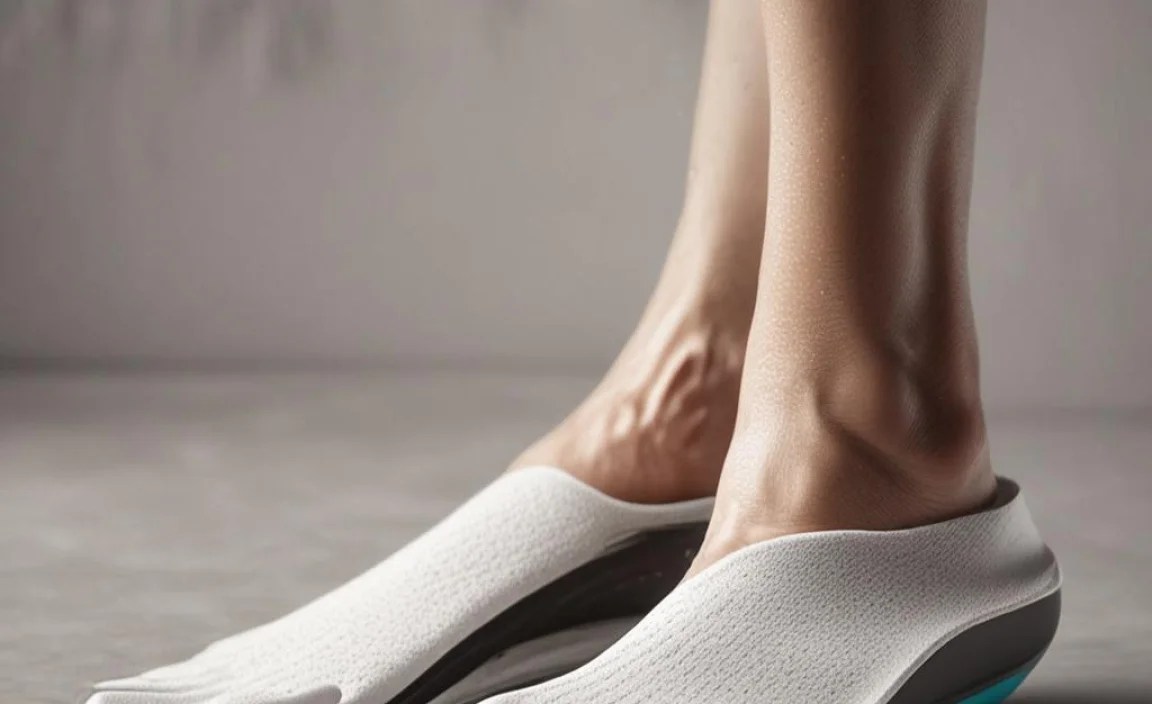
Utilizing a fan for airflow and evaporation. The towel method for rapid moisture absorption.
Using a fan helps wet insoles dry faster. The moving air speeds up evaporation, making the insoles dry quickly. To use a towel, simply press it against the insoles. This method soaks up extra moisture effectively.
- Set the fan near the insoles.
- Keep the fan on for at least 30 minutes.
- Press a dry towel firmly against the wet insoles.
- Repeat with fresh towels if needed.
How can I dry wet insoles quickly?
Using a fan and towels are great ways to dry wet insoles quickly. Fans create airflow for better evaporation, while towels absorb moisture effectively.
Heating Solutions for Fast Drying
Using a hairdryer safely on insoles. Best practices for using a shoe dryer.
Need your insoles dried fast? A hairdryer can work wonders! Make sure to keep it on a low heat setting, and don’t let it get too close. If you aim it at your insoles like a heat-seeking missile, you might melt them! Another great option is a shoe dryer. These devices gently warm and circulate air. They’re like little warm hugs for your shoes! Here’s a quick guide on how to use them:
| Heating Method | Best Practices |
|---|---|
| Hairdryer | Use low heat, keep distance |
| Shoe Dryer | Follow time guidelines, check moisture level |
So, remember: gentle heat is your friend! The quicker you dry those insoles, the happier your feet will be dancing around!
Natural Drying Methods
Air drying vs. direct sunlight exposure. Importance of using natural absorbents like baking soda.
Air drying is a great way to dry wet insoles without risking damage. Hang them up where the air can flow freely. It’s like giving your insoles a nice breeze to dry off. On sunny days, direct sunlight can help too, but be careful! Too much sun can make them fade, much like your favorite T-shirt left out too long.
Using natural absorbents, like baking soda, works wonders! Sprinkle some on the insoles and let it sit overnight. Baking soda loves to soak up moisture. Plus, it’s much cheaper than that fancy foot powder you saw in stores. Remember, the goal is to keep your feet happy!
| Method | Advantages |
|---|---|
| Air Drying | Gentle and risk-free, good airflow. |
| Direct Sunlight | Quick drying, can kill bacteria. |
| Baking Soda | Absorbs moisture and odors! |
So whether you’re air drying, using the sun, or employing some baking soda magic, your insoles will be good as new in no time! You can dance around with dry feet again!
Preventive Measures to Avoid Wet Insoles
Choosing moisturewicking materials for insoles. Strategies for keeping feet dry during activities.
Keeping your insoles dry is key to happy feet! Choose moisture-wicking materials like merino wool or polyester. They soak up sweat like a sponge but keep it away from your skin. You can also try wearing breathable shoes that let your feet breathe. Remember, happy feet mean fewer foot problems! And if you’re jumping in puddles, invest in waterproof footwear. Your insoles will thank you later!
| Material | Benefits |
|---|---|
| Merino Wool | Warm and moisture-wicking |
| Polyester | Quick-drying and breathable |
| Nylon | Durable and lightweight |
Maintenance Tips for Longevity of Insoles
Regular cleaning procedures to minimize odor and bacteria. How to store insoles properly when not in use.
Keeping your insoles fresh and long-lasting is easy! First, clean them regularly to fight odors and bacteria. Use warm water and mild soap. Let them air dry to keep their shape. When you’re not using them, store insoles flat in a cool, dry place. Avoid folding them, as that can ruin their support.
- Clean insoles once a week.
- Store in a dry area, away from heat.
- Keep them flat to maintain shape.
How can I reduce odor in my insoles?
Regular cleaning and proper storage can help reduce odor in your insoles. Clean them often and make sure they dry completely before putting them away.
When to Replace Wet Insoles
Signs of wear and tear from excessive moisture. How to select highquality replacement insoles.
Wet insoles can become worn out, making them less effective. Look for signs such as cracks or a strange odor. If your insoles feel squishy like a wet sponge, it’s time for a change! Replace them with high-quality ones that provide good support. Check the materials—breathable and moisture-wicking is a good combo. You wouldn’t wear a raincoat made of cheese, would you? Stay dry and comfy!
| Signs of Wear | Replacement Tips |
|---|---|
| Cracks | Choose breathable materials |
| Unpleasant odor | Look for moisture-wicking insoles |
| Soggy texture | Ensure proper cushioning |
Frequently Asked Questions
Common concerns about drying methods and their effectiveness. Myths and facts about insoles and dampness.
Many people have questions about drying wet insoles. Some think the heat from a hairdryer is a quick fix, but that can ruin them. Others believe leaving them in the sun will do the trick, but too much heat can also cause damage. Here are some common myths and facts you may find helpful:
| Myth | Fact |
|---|---|
| Drying insoles in the dryer is fine. | It’s not! It can shrink or damage them. |
| All drying methods work the same. | Actually, some are much gentler than others. |
Remember, taking care of those insoles means you can avoid soggy shoe surprises later! As they say, “A dry insole makes for a happy foot!”
Conclusion
In conclusion, drying wet insoles quickly is important for comfort and hygiene. You can use methods like placing them in a warm area or using a fan. Avoid direct heat sources, which can damage them. Always check the insoles’ material to choose the best drying method. For more tips on shoe care, keep exploring and take good care of your footwear!
FAQs
Here Are Five Related Questions On The Topic Of Drying Wet Insoles Quickly:
To dry wet insoles quickly, you can try a few simple methods. First, take them out of your shoes right away. Place them in a warm, dry spot, like near a heater or a sunny window. You can also use a fan to blow air on them. If they’re really wet, crumple up paper towels and stuff them inside the insoles to soak up moisture.
Sure! Please provide the question you would like me to answer.
What Techniques Can I Use To Dry Wet Insoles Without Damaging Them?
To dry wet insoles, first, take them out of your shoes. Then, wipe off extra water with a towel. You can place them in a warm, dry place but not in direct sunlight. Using a fan can also help them dry faster. Avoid using heat like a hair dryer, as it can damage them.
Are There Specific Household Items That Can Help Speed Up The Drying Process For Wet Insoles?
Yes, there are things at home that can help dry wet insoles faster. You can use a fan to blow air on them. A hairdryer on low heat works too, but hold it far away. Rice also helps; just put the insoles in a bag of rice overnight. Finally, placing them near a warm, sunny spot can speed up drying.
How Long Does It Typically Take For Insoles To Dry Completely Using Different Drying Methods?
Insoles can dry at different speeds based on how you dry them. If you air dry them, it takes about 24 hours. Using a fan can speed this up to 4 to 8 hours. If you use a dryer on low heat, it might take 30 to 60 minutes. Always check before putting them back in your shoes!
Is It Safe To Use A Hairdryer Or Other Heat Sources To Dry Wet Insoles, And If So, What Precautions Should I Take?
It’s not a good idea to use a hairdryer or heat sources to dry wet insoles. The heat can harm the insoles and change their shape. If you want to try it, keep the heat low and hold the dryer far away. Instead, let the insoles air dry in a warm place. This will keep them safe and help them last longer.
What Are The Best Practices For Preventing Insoles From Becoming Wet In The First Place?
To keep your insoles dry, wear the right shoes for the weather. If it rains, use waterproof shoes. You can also use moisture-wicking socks to keep your feet dry. Always take off your shoes and insoles when you come inside, so they can air out. Lastly, store your shoes in a dry place to help them stay fresh!
