Cut gel insoles offer a personalized solution for enhancing footwear comfort and support, allowing you to tailor their fit precisely to your shoes and feet. Whether you’re looking to revive an old pair of boots, boost the cushioning in your athletic shoes, or simply need a better fit in a shoe that’s slightly too large, knowing how to cut gel insoles is a valuable skill. This seemingly simple process can make a world of difference in your daily comfort and can help prevent common foot ailments caused by ill-fitting footwear.
Why You Might Need to Cut Your Gel Insoles

The allure of gel insoles lies in their ability to provide superior shock absorption and arch support. They are often thicker and more substantial than standard insoles, offering a luxurious feel. However, not all shoes are designed to accommodate such inserts without adjustment. Here are a few common scenarios where trimming becomes necessary:
Shoe Fit: Sometimes, a shoe might be just a half-size too big, or the original insole is too thin to fill the volume adequately. A gel insole can help snug up the fit, preventing heel slipping and improving overall stability. When the full insole is too long or wide, trimming is the obvious solution.
Specific Activity Needs: Runners, hikers, and athletes often require specialized support. While many performance insoles come in standard sizes, a particular shoe might necessitate a modified insert for optimal performance and injury prevention.
Replacing Worn-Out Insoles: Over time, even the best gel insoles can lose their cushioning or become misshapen. When replacing them, you might find that the original template was not perfectly aligned with your shoe’s interior, making a custom cut the best option.
Comfort Customization: Even if your shoes fit perfectly, you might find that a particular section of the gel insole is causing discomfort or rubbing. Trimming away a small, offending edge can provide targeted relief.
Understanding Your Gel Insoles and Your Footwear

Before you reach for the scissors, it’s crucial to understand the anatomy of both your gel insole and your shoe’s interior. Most gel insoles are designed with an anatomical arch and heel cup, so preserving these features during the cutting process is important. Similarly, pay attention to the shape of your shoe’s internal sole. You’ll want to ensure your trimmed insole maintains the necessary support without creating pressure points or gaps.
Take stock of the original insole that came with your shoe. This is often your best guide for the correct shape and size. If you’ve removed the original insole, analyze its contours, especially around the toe box, heel, and along the arch.
Tools You’ll Need to Cut Gel Insoles

The good news is that you don’t need specialized equipment. With a few common household items, you can achieve a professional-grade cut:
Sharp Scissors or a Craft Knife: This is your primary cutting tool. Sharpness is key to a clean, precise cut without tearing or deforming the gel. Kitchen shears or sturdy craft scissors work well. A craft knife can be useful for intricate details or thicker insoles, but requires a steady hand.
Pen or Marker: A fine-tip permanent marker or a fabric marker is ideal for tracing outlines.
Ruler or Measuring Tape (Optional but Recommended): For ensuring precise measurements and straight lines.
Paper and Pencil (for Template): If you want to create a template first.
Step-by-Step: How to Cut Gel Insoles Effectively

Now, let’s get down to the practical steps. Following these guidelines will help you achieve the best results:
1. Prepare Your Workspace: Find a well-lit, flat surface where you can work comfortably. Lay down a protective sheet or newspaper if you’re concerned about marking surfaces.
2. Remove the Original Insole (if applicable): Carefully slide out the existing insole from the shoe. If it’s glued in, gently pry it up with a dull knife or putty knife, taking care not to damage the shoe’s interior.
3. Trace the Outline: This is the most critical step for achieving the right fit. There are a couple of methods:
Using the Original Insole as a Guide: Place the gel insole directly on top of the original insole. Align them as perfectly as possible at the heel. Use your marker to carefully trace the outline of the original insole onto the gel insole. Pay close attention to the shape of the toe box – it’s often slightly curved.
Tracing Directly Inside the Shoe: If the original insole is missing or damaged, place the gel insole inside the shoe, aligning it with the heel and arch. Gently press it flat. Then, use your marker to trace the contours of the shoe’s interior onto the gel insole. Important: Ensure the gel insole is lying flat and is not distorted by the shoe’s shape as you trace.
4. Make Adjustments (Optional): Before cutting, if you know you need to trim more off certain areas (e.g., a narrower toe box), mark these adjustments clearly on your traced line. You can also use a ruler to ensure straight lines where needed.
5. The Cutting Process:
Using Scissors: Begin cutting along your traced line. Go slowly and deliberately, using smooth, continuous strokes rather than short, choppy ones. Try to keep the scissors at a consistent angle.
Using a Craft Knife: If using a craft knife, place the insole on a cutting mat. Carefully score along the traced line. You may need to make multiple passes to cut through the material cleanly. This method is best for thicker, more rigid gel insoles where scissors might struggle.
6. Test the Fit: Once you’ve made your cuts, carefully slide the trimmed gel insole back into your shoe. Check for:
Overall Size: Does it fit snugly without bunching up or protruding?
Heel Fit: Is the heel cup secure and comfortable?
Toe Box: Is there enough room for your toes without feeling cramped?
Arch Support: Is the arch in the correct position and providing comfortable support?
7. Refine as Needed: If the fit isn’t perfect, don’t be discouraged. You can always trim a little more material. Make small adjustments of only a millimeter or two at a time and re-test. It’s easier to remove more material than to add it back.
Tips for a Flawless Finish
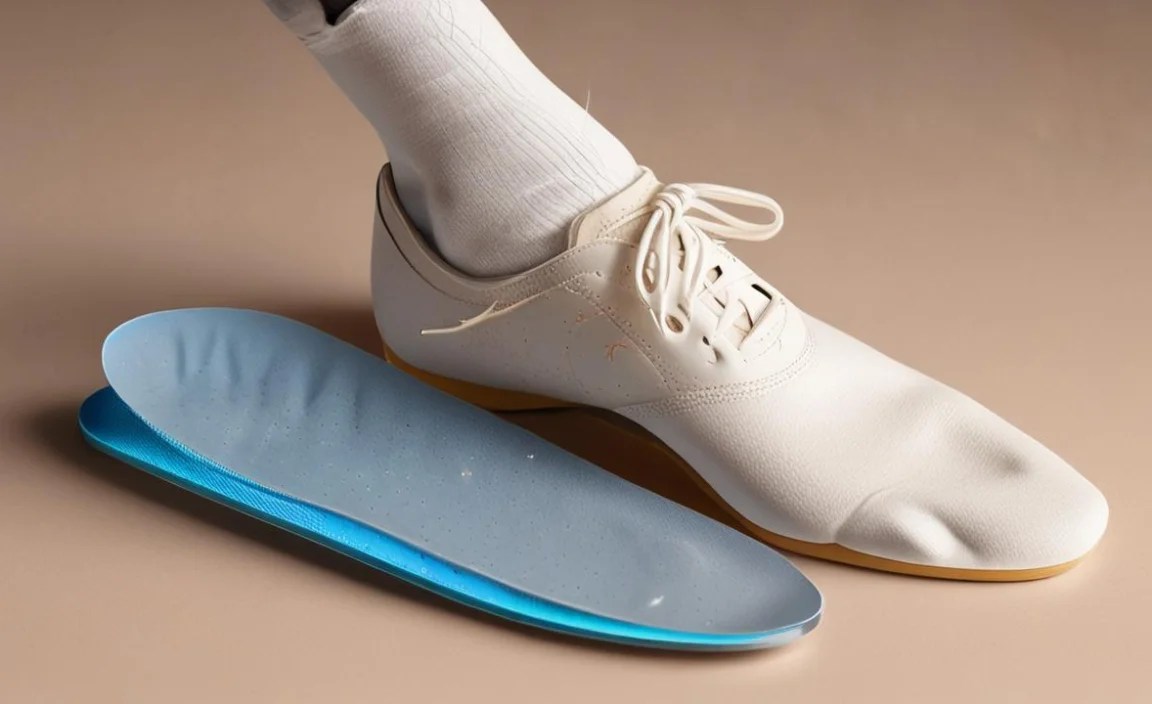
Cut the Outside First: Generally, it’s safer to trim the outer edges of the insole first. If you need to make the inside narrower, that’s a more delicate operation.
Don’t Over-Cut: Remember, gel insoles are designed to provide support and cushioning. Avoid trimming away too much material, especially from the heel cup or arch support areas, as this can compromise their effectiveness.
Consider the Material: Different gel insoles are made of varying densities and materials. Thicker, more rigid ones might require more effort to cut than softer, pliable ones.
Clean Edges: Ensure your cut edges are as clean and smooth as possible to prevent irritation or rubbing against your foot or sock.
By following these simple steps, you can master how to cut gel insoles and unlock a new level of personalized comfort and support for all your footwear. It’s a small adjustment that can have a significant impact on your daily well-being.
