Have you ever felt tired or achy after a long day on your feet? If so, you’re not alone. Many people struggle with foot discomfort. Choosing the right insoles can make a big difference. But what should you look for? Should you go for cushioning or support insoles?
Picture this: you buy a new pair of shoes. They’re cute, but they don’t feel so great after a few hours. This is where insoles come in. They can help make your shoes more comfortable. But how do you decide between cushioning and support?
Here’s a fun fact: not all insoles are the same. Some provide soft padding while others give strong support. Finding the right fit for your feet can help you feel better all day. Let’s dive into the world of cushioning vs support insoles and see what works best for you!
Cushioning Vs Support Insoles: Understanding The Differences

Cushioning vs Support Insoles

Cushioning and support insoles serve different purposes. Cushioning insoles are designed for comfort, absorbing shock during activities. They are great if you want a softer feel. On the other hand, support insoles provide stability. They help align your feet and reduce pain for flat or high arches. Choosing the right pair depends on your activity and foot needs. Did you know that the wrong insole choice can lead to foot problems? It’s essential to understand your feet!
Understanding Cushioning Insoles

Definition and purpose of cushioning insoles. Benefits for comfort and shock absorption.
Cushioning insoles are soft inserts for shoes that help make walking and standing more comfortable. Their main job is to absorb shock, reducing the impact on your feet with every step. This means fewer owies when you’re on the go! With the right cushioning, your feet will feel supported, like they’re getting a warm hug. Plus, they can help you feel like you’re walking on marshmallows, which is always a fun bonus!
| Benefit | Description |
|---|---|
| Comfort | Cushioning insoles add a soft layer, making shoes feel better. |
| Shock Absorption | They reduce the shock from hard surfaces, protecting your feet. |
Understanding Support Insoles
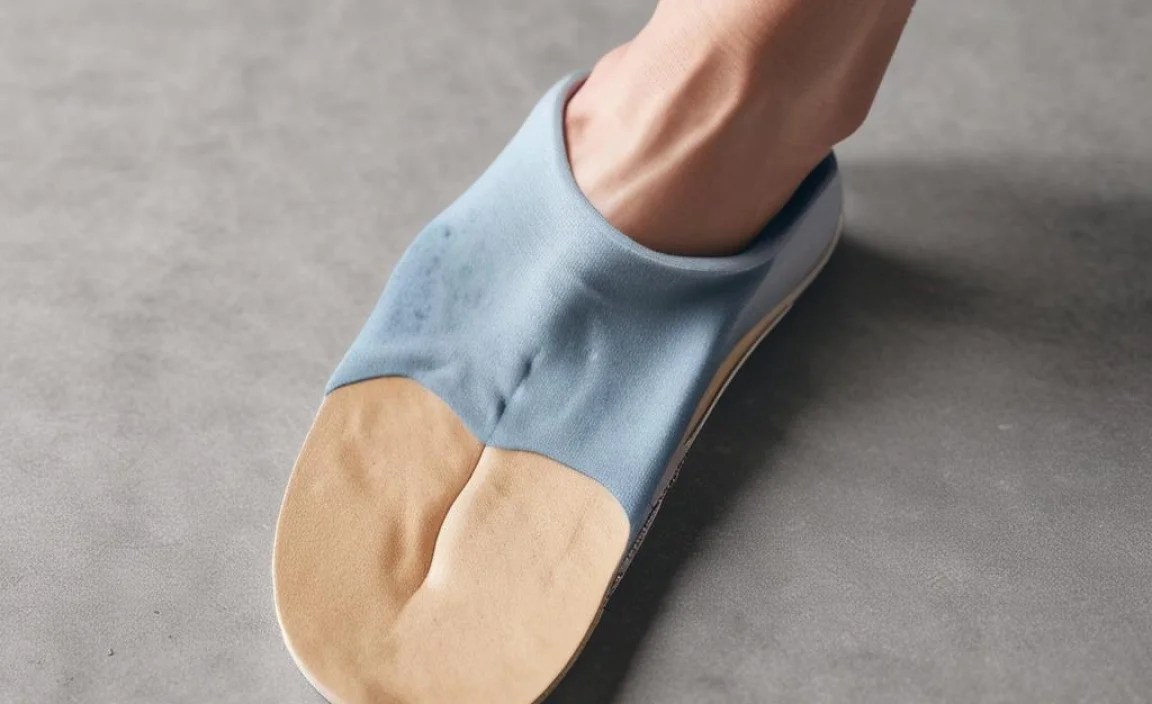
Definition and purpose of support insoles. Benefits for stability and alignment.
Support insoles are like tiny superheroes for your feet! They help keep your feet stable and aligned while you walk or run. These insoles provide extra support to your arches and heels, which can make a big difference in comfort. You might not realize it, but good alignment helps you avoid pain and injury. Imagine trying to balance on a wobbly seesaw—pretty tricky, right? Well, support insoles are here to prevent that wobble!
| Benefit | Description |
|---|---|
| Stability | Helps keep your feet securely grounded. |
| Alignment | Encourages proper posture while standing or walking. |
With support insoles, your feet can dance like they’ve got their favorite tune playing. So, slip them in and feel the difference!
Key Differences Between Cushioning and Support Insoles

Comparison of materials used in both types. Impact on foot biomechanics and posture.
Cushioning and support insoles differ mainly in their materials and functions. Cushioning insoles are often made from soft foam, providing a cloud-like feeling. On the other hand, support insoles usually incorporate harder materials like plastic or shaped foam to help maintain foot posture. These choices can impact how you walk. Poor cushioning might leave your feet feeling tired, while weak support could lead to slouching. Remember, your feet are the body’s foundation. Treat them well!
| Aspect | Cushioning Insoles | Support Insoles |
|---|---|---|
| Materials | Soft foam | Hard foam/plastic |
| Foot Biomechanics | Gentle comfort | Improves posture |
| Impact on Stance | Relaxed walk | Stable stance |
When to Choose Cushioning Insoles
Ideal use cases and conditions. Recommended activities and foot types.
Cushioning insoles are great for people who want soft comfort. They help with activities where you stand a lot or move around a lot. These insoles work well for running, walking, and even dancing. They are also good for those with flat feet or high arches.
- Ideal for runners and joggers
- Perfect for people who are on their feet all day
- Helps reduce impact during sports or workouts
Many people prefer cushioning insoles for the extra comfort they provide. They can make shoes feel softer and reduce foot pain. So, if your feet get tired, consider cushioning insoles!
When should I use cushioning insoles?
You should use cushioning insoles during high-impact activities like running or standing for long hours.
When to Choose Support Insoles
Ideal use cases and conditions. Recommended activities and foot types.
Support insoles are perfect for certain activities. If you walk a lot or play sports, they can help. They give your feet the help they need. Here are some conditions and foot types that benefit the most:
- Flat feet or low arches
- High-impact sports like running or basketball
- Long hours of standing on hard surfaces
Using support insoles can prevent pain and make moving easier. Choose them wisely for comfort and health!
When should I choose support insoles?
If you have flat feet or spend long days on your feet, support insoles are best. They help with balance and comfort, especially during sports. Remember, happy feet make a happy day!
Common Myths About Insoles
Debunking misconceptions about cushioning and support. Clarifying misunderstandings on foot health benefits.
Many people think that all insoles are the same, but that’s a myth. Cushioning insoles feel soft, while support insoles give you the right structure. Some believe that cushioning is better for foot health. However, support is just as crucial! Your feet need both. Ignoring this can lead to pain or discomfort. Did you know that about 75% of Americans experience foot problems? Let’s clear the air with a fun fact: your feet deserve a good laugh and the right support!
| Myth | Fact |
|---|---|
| Cushioning is always better. | Support is key, too! |
| All insoles work the same. | Different types serve different needs. |
| Only athletes need special insoles. | Everyone can benefit from good insoles. |
How to Select the Right Insole for Your Needs
Tips on determining foot type and needs. Importance of seeking professional advice if needed.
Selecting the right insole is important for comfort. Start by understanding your foot type. Is your foot flat, high-arched, or neutral? You can tell by trying to arch your foot: if it stays flat, it’s flat; if it bends too much, it may be high-arched.
Here are some tips to help:
- Check your shoes. Look for wear patterns. This shows your foot type.
- Pay attention to how your feet feel. Pain means you may need extra support.
- Don’t forget about the activities you do, like walking or running.
If you’re unsure, it’s wise to seek professional advice. A foot expert can help pick the best insole for your needs. They know the best options and can keep you comfortable.
What are signs I need new insoles?
If you feel foot pain or your shoes wear out quickly, it’s time for new insoles. Regular checks ensure your insoles match your needs as you continue your activities.
Care and Maintenance of Insoles
Best practices for cleaning and preserving insoles. Signs that indicate when to replace insoles.
To keep your insoles in good shape, clean them regularly. Use mild soap and water. Let them dry completely before putting them back in your shoes. It’s also important to store them in a cool, dry place. Look for signs that mean it’s time to replace them:
- Unpleasant smells
- Visible wear or tear
- Lack of cushioning
These signs mean your insoles aren’t supporting you like they should. Replacing them can help keep your feet healthy and comfortable.
How do I clean my insoles?
Use a mix of warm water and just a bit of soap. Scrub gently and rinse. **Let them dry in the air.** Never put them in the dryer!
When should I replace my insoles?
- Replace them every 6-12 months.
- Change when they lose shape.
Keeping an eye on these signs helps you stay comfy and safe while walking!
Conclusion
In summary, cushioning insoles provide comfort and soft padding, while support insoles focus on aligning your feet. Both types have unique benefits. If you want to reduce pain, consider support insoles. For extra comfort, try cushioning insoles. Explore different options to find what suits you best. You can improve your foot health by making informed choices!
FAQs
What Is The Primary Difference Between Cushioning Insoles And Support Insoles In Terms Of Function And Design?
Cushioning insoles help make your shoes softer and more comfortable. They feel like walking on pillows. Support insoles, on the other hand, help your feet stay in the right position. They give your arches extra help and keep your feet from getting tired. So, cushioning is all about comfort, while support is about helping your feet work better.
How Do Cushioning Insoles Benefit Individuals With Specific Foot Conditions Such As Plantar Fasciitis Or Arthritis?
Cushioning insoles can really help people with foot problems like plantar fasciitis and arthritis. These insoles provide soft support, making it easier to walk and stand. They help reduce pain by taking pressure off sore spots. We feel more comfortable and can move around better when we wear them. Overall, they make our feet happier!
In What Scenarios Should A Person Choose Support Insoles Over Cushioning Insoles For Optimal Foot Health?
You should choose support insoles if you have flat feet or high arches. They help keep your feet balanced. If you often have foot pain or need extra help when you walk, support insoles are better. Cushioning insoles are nice for softness, but support makes your feet feel good for longer.
Can Combining Cushioning And Support Insoles Enhance Comfort And Foot Stability During Physical Activities?
Yes, combining cushioning and support insoles can make your feet feel better. Cushioning helps soften the ground under your feet. Support gives your feet the strength they need. Together, they help you stay steady and comfortable while you play and run. This way, you can enjoy your activities more!
What Materials Are Commonly Used In Cushioning Vs. Support Insoles, And How Do These Materials Affect Performance And Durability?
Cushioning insoles usually use soft foam or gel. These materials feel comfy and help absorb shock. Support insoles, on the other hand, often have firmer materials like plastic or special foams. These give you good support and help your feet stay aligned. Soft materials can wear out faster, while firm ones last longer and give better support.
