Clean insoles are fundamental to foot comfort and overall shoe hygiene. Over time, insoles accumulate sweat, dirt, and odor, which can lead to discomfort, unpleasant smells, and even foot health issues. Fortunately, keeping them fresh and functional doesn’t have to be a chore. This guide will walk you through a simple, step-by-step process for effectively cleaning your insoles, ensuring your footwear remains a pleasant environment for your feet.
Understanding Why Clean Insoles Matter
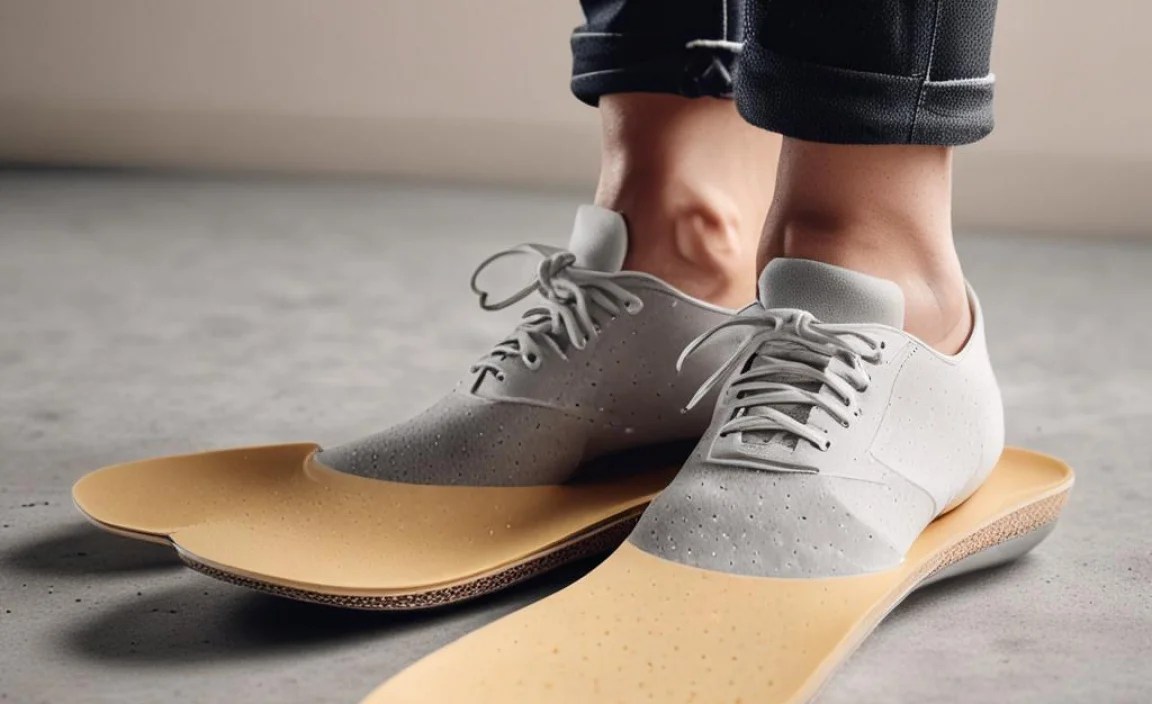
Before we dive into the “how-to,” it’s crucial to understand why regular insole maintenance is so important. Insoles act as a direct interface between your feet and your shoes. They absorb shock, provide cushioning, and help regulate temperature. However, they also absorb the majority of sweat produced by your feet. This moisture, combined with skin cells and external dirt, creates a breeding ground for bacteria and fungi.
The consequences of neglecting your insoles can be far-reaching:
Foot Odor: The most common and noticeable issue. Lingering smells can be embarrassing and a sign of bacterial growth.
Foot Health Problems: Fungal infections like athlete’s foot and bacterial infections can thrive in damp, unhygienic insoles.
Allergies and Irritation: Dead skin cells and accumulated debris can irritate sensitive skin, leading to rashes or reactions.
Reduced Cushioning: Over time, sweat and wear can break down the materials of the insole, reducing its effectiveness and comfort.
Shortened Shoe Lifespan: A dirty and degraded insole can negatively impact the overall integrity and wear of your shoes.
How to Clean Insoles: A Step-by-Step Approach

The good news is that learning how to clean insoles is straightforward. The method you choose will depend on the material of your insoles and the level of cleaning required. For most standard insoles, a gentle hand-washing approach is best.
Step 1: Assess Your Insoles and Gather Supplies
First, carefully remove your insoles from your shoes. Inspect them for any obvious damage, such as tears or excessive wear. This is also a good time to determine their material. Common insole materials include:
Foam: Found in many athletic shoes and casual footwear.
Cork: Known for its supportive and moisture-wicking properties.
Gel: Offers superior cushioning and shock absorption.
Leather: Durable and breathable, often found in dress shoes.
Specialty Materials: Orthotics or performance insoles might have unique compositions.
For basic cleaning, you will likely need:
A mild detergent (dish soap or a gentle laundry detergent)
Lukewarm water
A soft brush (an old toothbrush works well) or a clean cloth
A clean towel
Step 2: Pre-Treatment (Optional but Recommended for Stubborn Odors)
If your insoles have a particularly strong odor, you might consider a pre-treatment.
Baking Soda Soak: Mix a tablespoon of baking soda with a cup of water and let the insoles soak in this solution for 30 minutes to an hour. Baking soda is excellent at neutralizing odors.
Vinegar Rinse: A diluted vinegar solution (one part white vinegar to one part water) can also help kill bacteria. After soaking, rinse thoroughly with plain water.
Step 3: The Gentle Wash
1. Create a Cleaning Solution: Fill a basin or sink with lukewarm water. Add a small amount of mild detergent – just enough to create a few suds. Avoid using harsh chemicals, bleach, or abrasive cleaners, as these can damage the insole materials.
2. Scrub Gently: Submerge the insoles in the soapy water. Use your soft brush or cloth to gently scrub the surfaces of the insoles. Pay attention to areas that look particularly dirty or worn. If using an old toothbrush, be sure to use a light touch to avoid damaging the material.
3. Rinse Thoroughly: Drain the soapy water and rinse the insoles under clean, lukewarm running water. Ensure all soap residue is completely removed, as leftover soap can attract more dirt and moisture.
Step 4: Drying Your Clean Insoles
This is a crucial step that many people overlook, leading to recurrences of odor and potential damage. Improper drying can also lead to mold or mildew growth.
1. Absorb excess moisture: Gently pat the insoles with a clean, dry towel to remove as much water as possible.
2. Air Dry Completely: This is the most important part. Place the insoles in a well-ventilated area away from direct heat or sunlight. Direct heat (like from a radiator or a hairdryer) can warp or melt certain materials, especially foam or gel. Sunlight can also cause fading or degradation. The best approach is to let them air dry naturally. This might take 24-48 hours, depending on the humidity and the thickness of the insoles. You can prop them up against something to ensure air circulates on both sides.
Special Considerations for Different Insole Materials
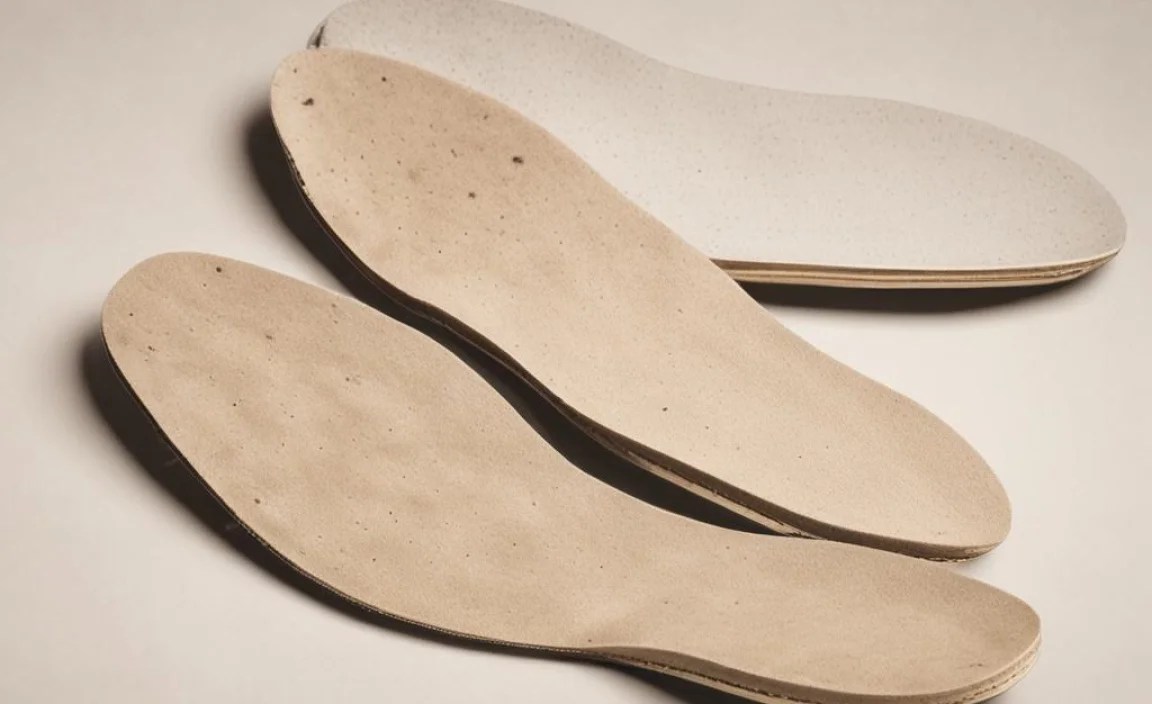
While the general process above applies to most insoles, some specific materials may require slightly different care:
Cork Insoles: Cork is naturally antimicrobial and moisture-wicking. Avoid soaking cork for extended periods, as it can degrade the material. A quick wipe down with a damp cloth and a mild soap solution, followed by thorough air drying, is usually sufficient.
Leather Insoles: Leather requires special care. Use a dedicated leather cleaner and conditioner if necessary. Avoid excessive water, as it can dry out and crack the leather. Wipe them clean with a slightly damp cloth and allow them to air dry naturally.
Machine Washable vs. Hand Washable Insoles: Always check the manufacturer’s instructions. Some athletic insoles might be designed to be placed in a protective mesh bag and washed on a gentle cycle in your washing machine with cold water. However, hand washing is generally the safest and most recommended method for all types of insoles to preserve their shape and integrity.
Tips for Maintaining Insole Freshness Between Cleans
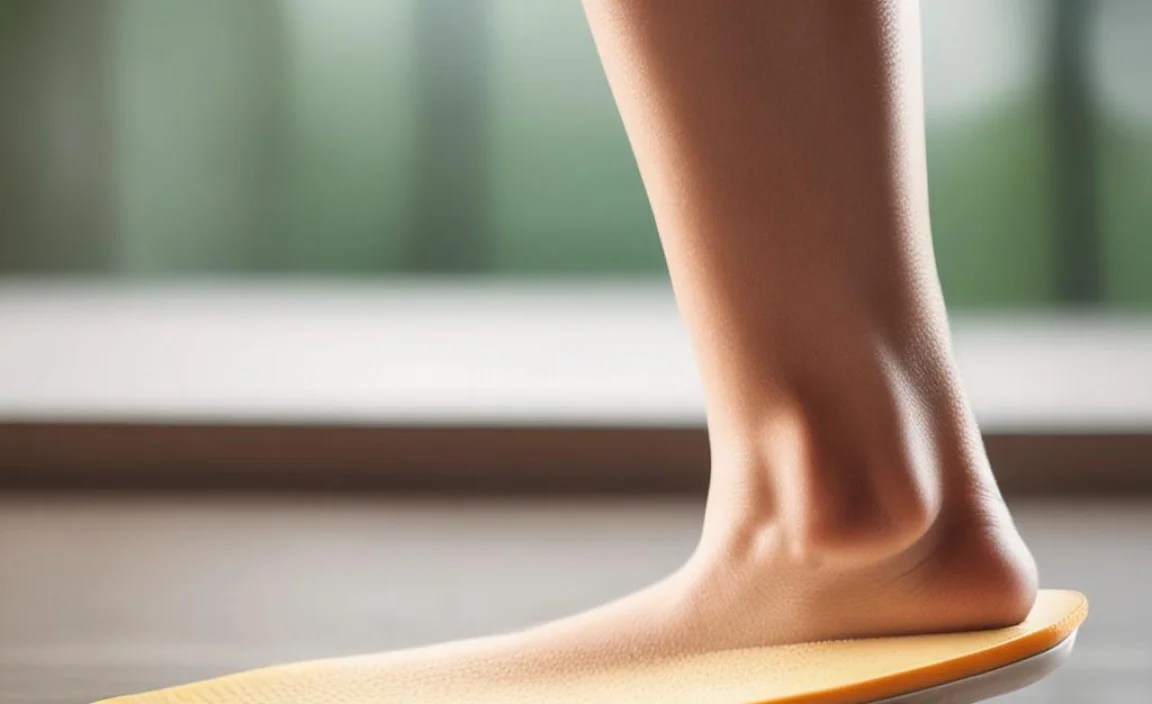
Learning how to clean insoles is important, but preventing them from getting overly dirty and odorous in the first place is even better. Here are some tips:
Rotate Your Shoes: Give your shoes (and their insoles) a day or two to air out between wears.
Use Shoe Trees: Cedar shoe trees not only help retain your shoe’s shape but also absorb moisture and odor.
Sprinkle Baking Soda: At the end of the day, sprinkle a little baking soda into your shoes. Let it sit overnight, then shake it out before you wear them again.
Wipe Them Down Occasionally: If your shoes get wet or dirty, remove the insoles and wipe them with a damp cloth as soon as possible.
Consider Odor-Absorbing Inserts: You can purchase charcoal or other odor-absorbing inserts specifically designed to combat shoe smells.
By following this effortless guide on how to clean insoles, you can significantly extend the life of your footwear, enhance your comfort, and promote better foot hygiene. Regular cleaning ensures your feet are supported by a fresh, clean, and healthy environment with every step you take.
